NASA Rover Finds Ruby-Like Gemstones on Mars
NASA's Perseverance rover discovered corundum, the mineral that forms rubies and sapphires, on Mars for the first time. Scientists think a massive asteroid impact billions of years ago may have created the perfect conditions to form these precious gemstones.
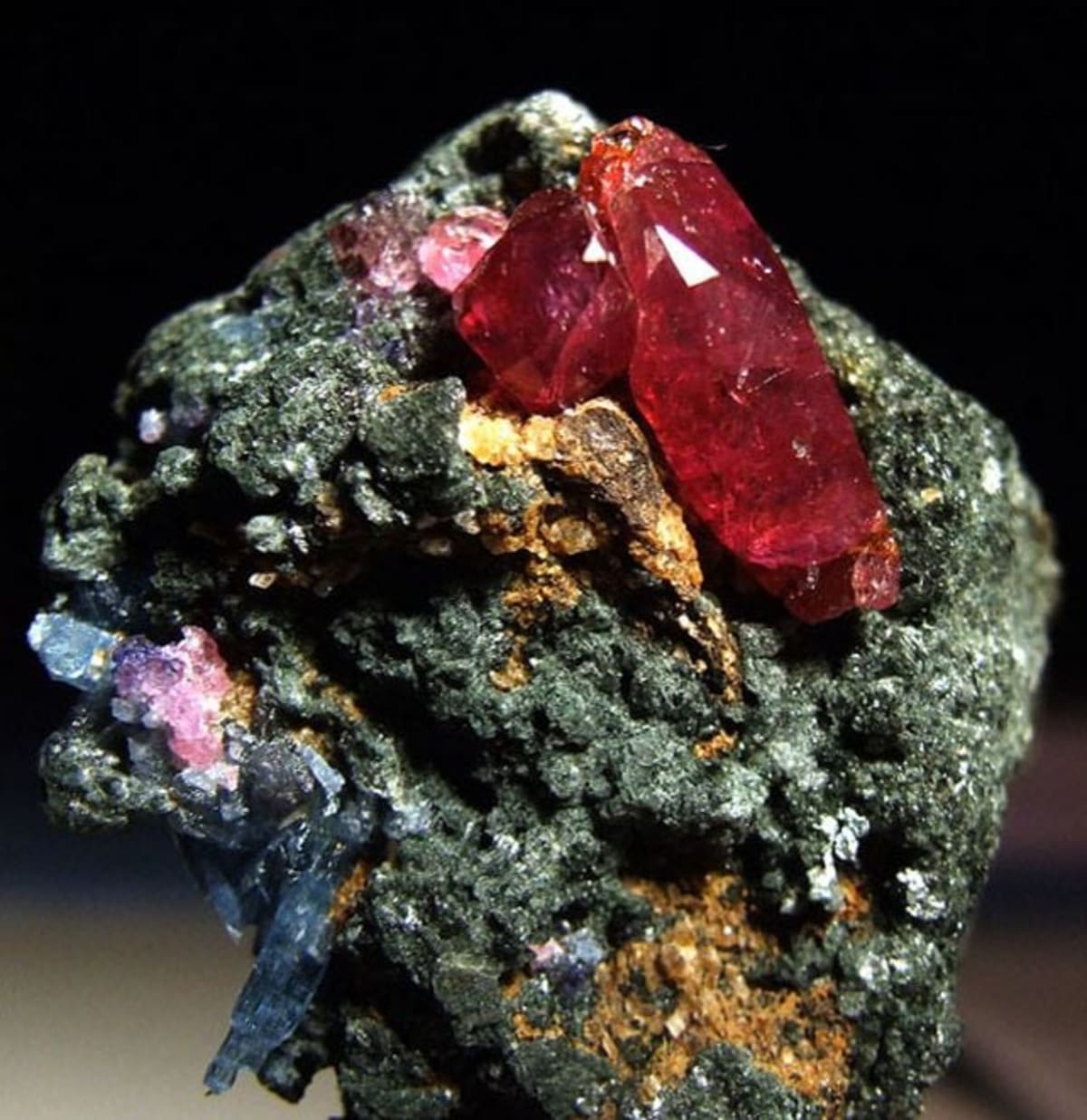
Scientists just found something on Mars that nobody expected: the same mineral that creates rubies and sapphires here on Earth.
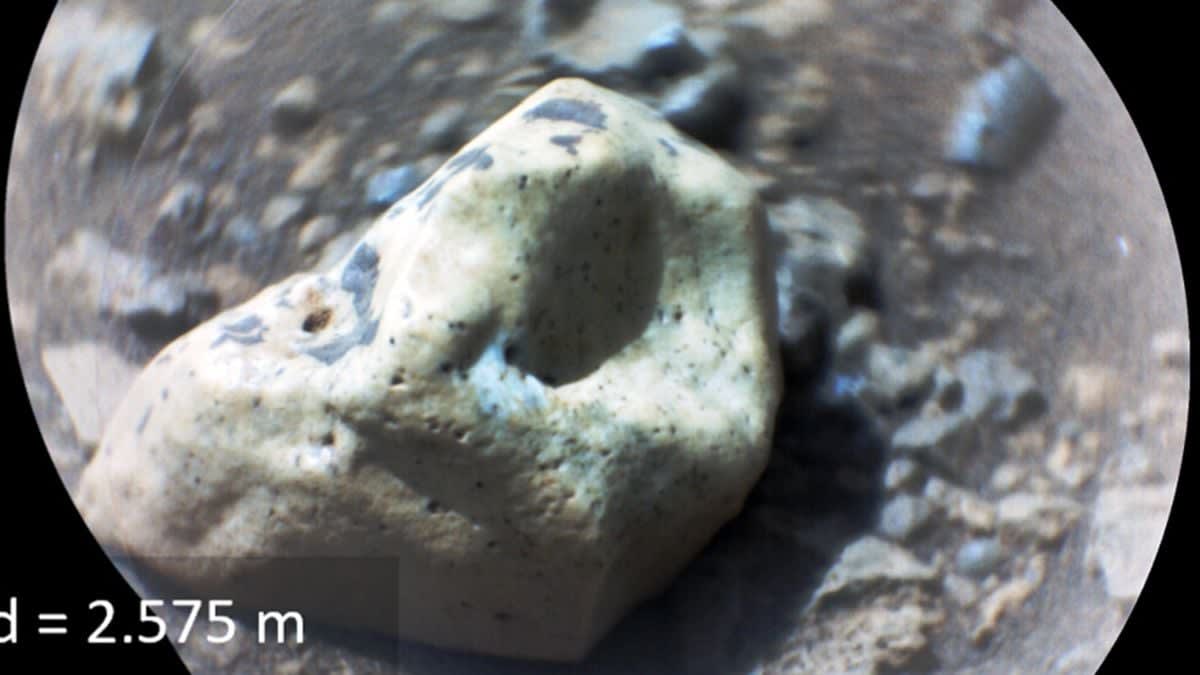
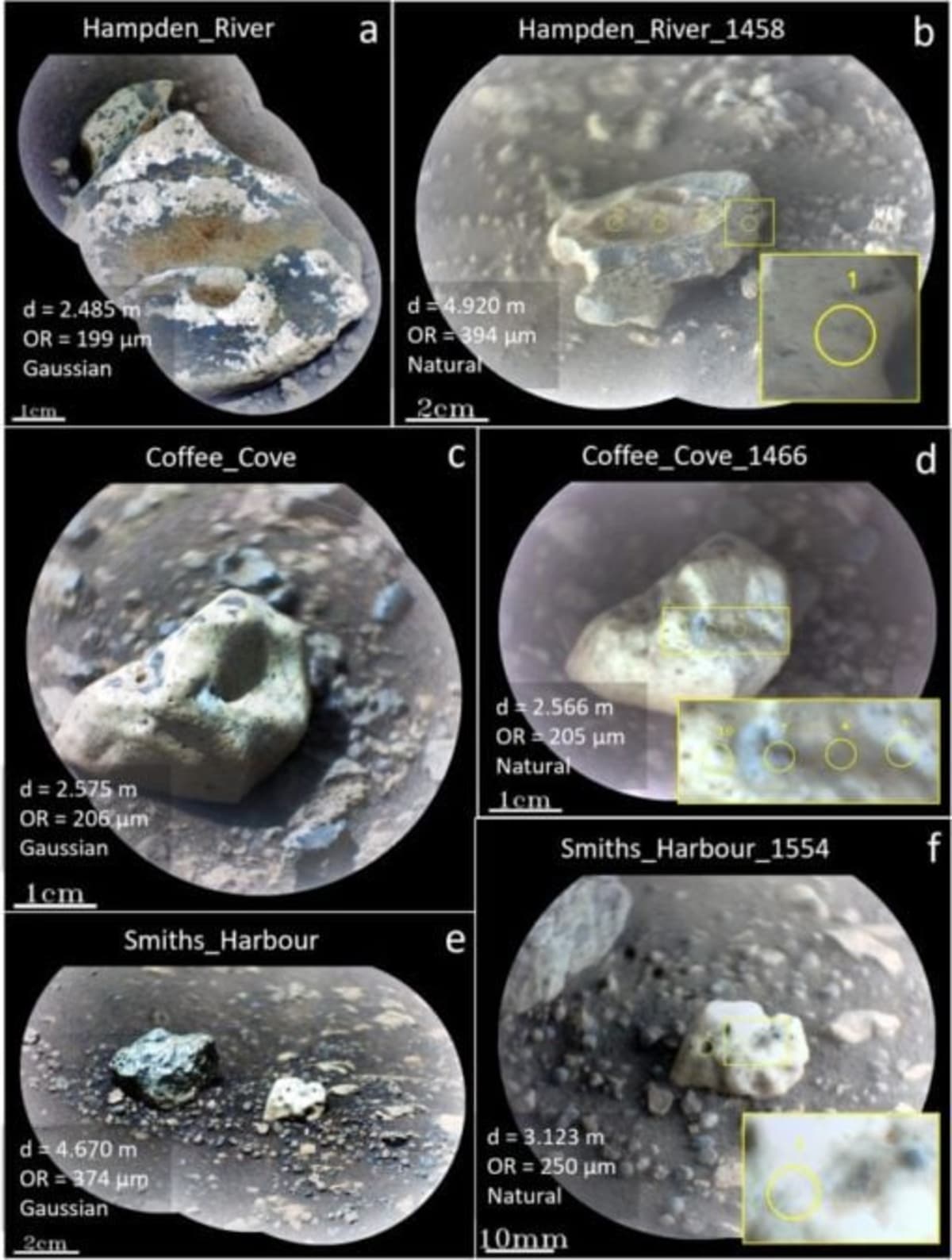
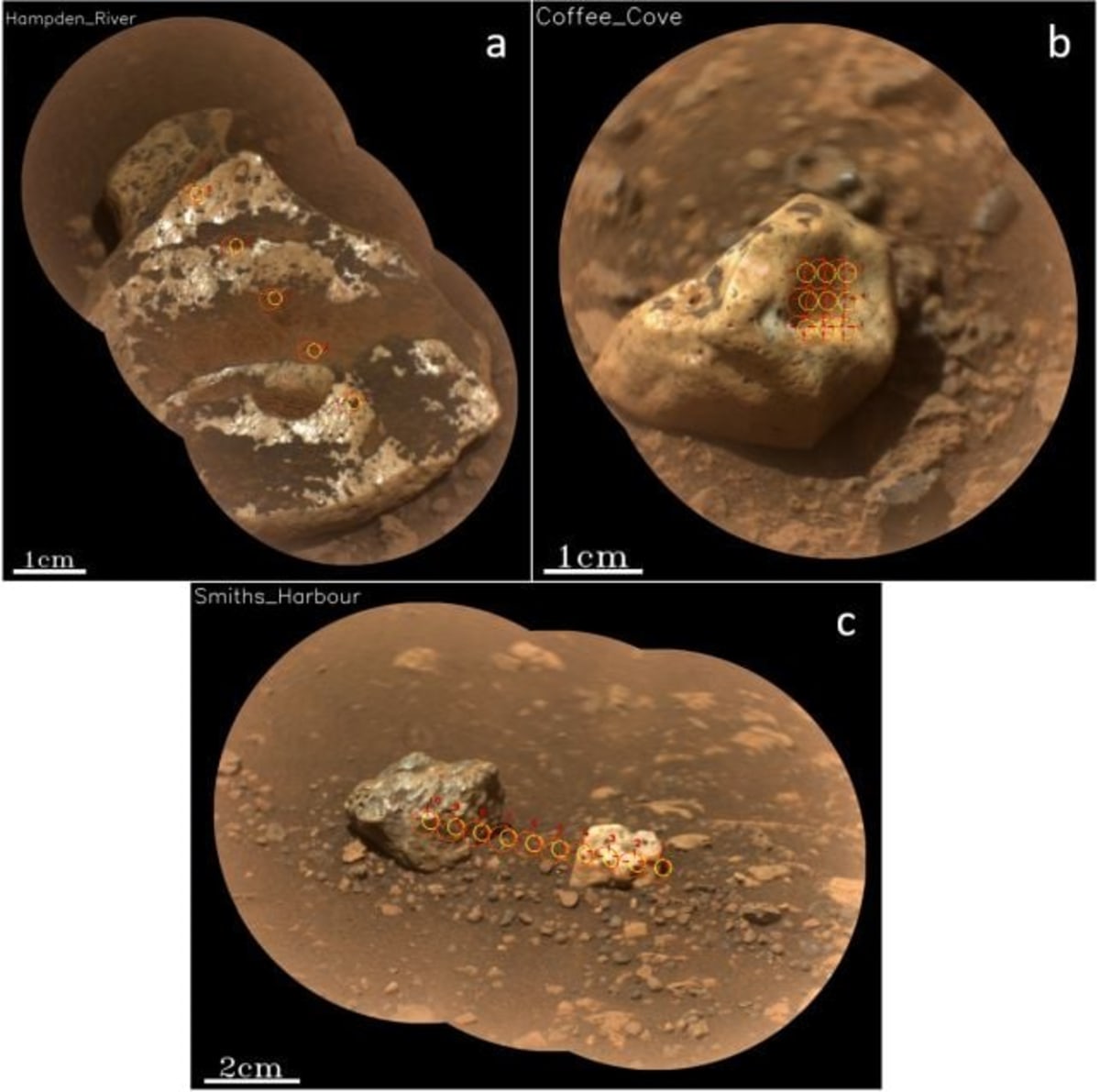
When NASA's Perseverance rover zapped three pale rocks in Jezero Crater with its laser in 2025, it detected corundum, a crystalline mineral that forms precious gems. The rocks even contained traces of chromium, the element that gives rubies their distinctive red color.
"Very unexpectedly," wrote geochemist Ann Ollila from Los Alamos National Laboratory, her team found clear signatures of chromium-bearing corundum in all three rocks. The discovery marks the first time anyone has identified this gemstone mineral on Mars.
The finding isn't exciting because Mars has treasure lying around. It's remarkable because corundum shouldn't exist there at all.
Corundum needs very specific chemistry to form: lots of aluminum but very little silicon. That's a problem on Mars because the three rocks where Perseverance found corundum were packed with plagioclase, a silicon-rich mineral that normally sucks up all available aluminum.
The rover examined rocks named Hampden River, Coffee Cove, and Smiths Harbour using a laser technique that excites atoms and measures the light they emit. All three produced identical signals matching rubies and sapphires from Earth, with the glow lasting about 3 milliseconds, exactly as terrestrial corundum behaves.
So how did Mars create something that acts like rubies? The answer might be hiding in plain sight.
The Bright Side
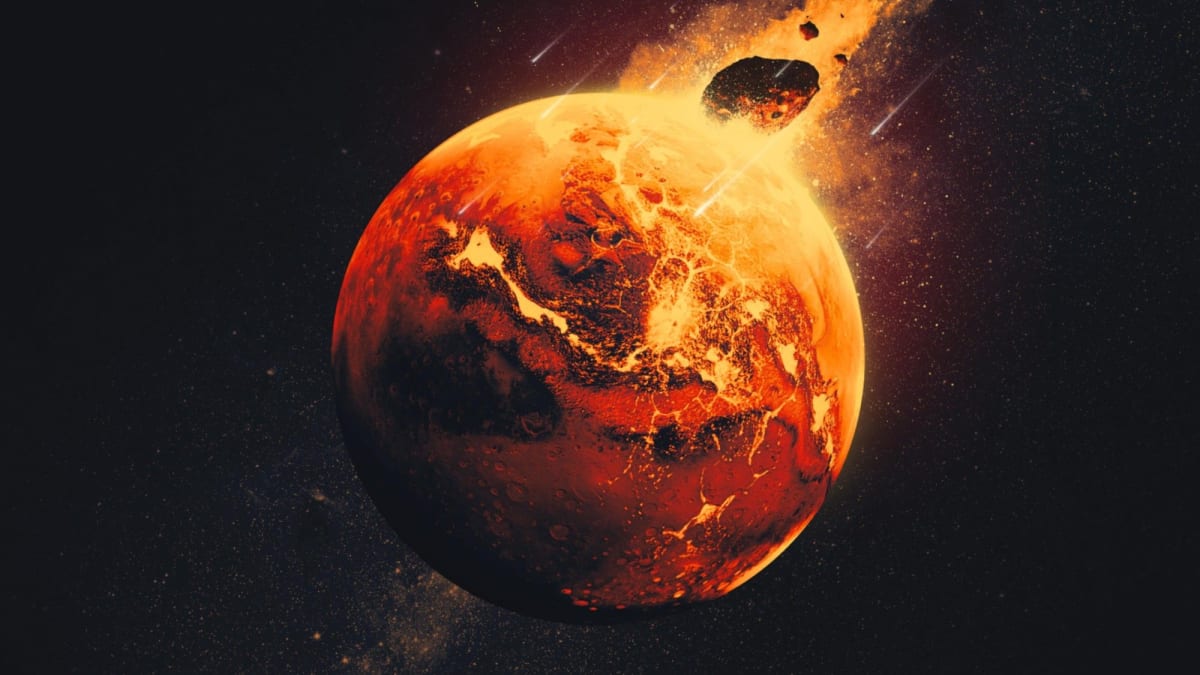
The massive asteroid impact that carved out Jezero Crater billions of years ago probably created the perfect storm for gemstone formation. Large impacts generate tremendous heat and pressure, mimicking the conditions deep inside Earth's crust where metamorphic minerals form.
Scientists have even found corundum in impact-altered rocks on Earth and the Moon. The evidence on Mars points the same way: tiny corundum grains trapped in rocks sitting on the crater rim, near chunks of impact breccia.
The researchers think hot fluids flowing through fractured rocks after the impact may have shuffled elements around, creating rare pockets with the aluminum-rich, silicon-poor chemistry corundum needs. Evidence of ancient hydrothermal activity in Jezero Crater supports this idea.
This discovery shows that even catastrophic cosmic collisions can create something beautiful. The same violent force that gouged a 28-mile-wide scar into Mars may have also scattered gemstone minerals across its surface, waiting billions of years for a robot from Earth to find them.
More Images
Based on reporting by Google: NASA discovery
This story was written by BrightWire based on verified news reports.
Spread the positivity!
Share this good news with someone who needs it