Scientists Find 2 Million New X-Ray Sources in Space
Astronomers just nearly doubled our catalog of the universe's most energetic objects, discovering 2 million X-ray sources including black holes, exploding stars, and massive galaxy clusters. This breakthrough gives us the clearest view yet of how our universe evolved over billions of years.
Imagine suddenly seeing twice as many stars in the night sky. That's essentially what just happened for astronomers studying the universe's most powerful phenomena.
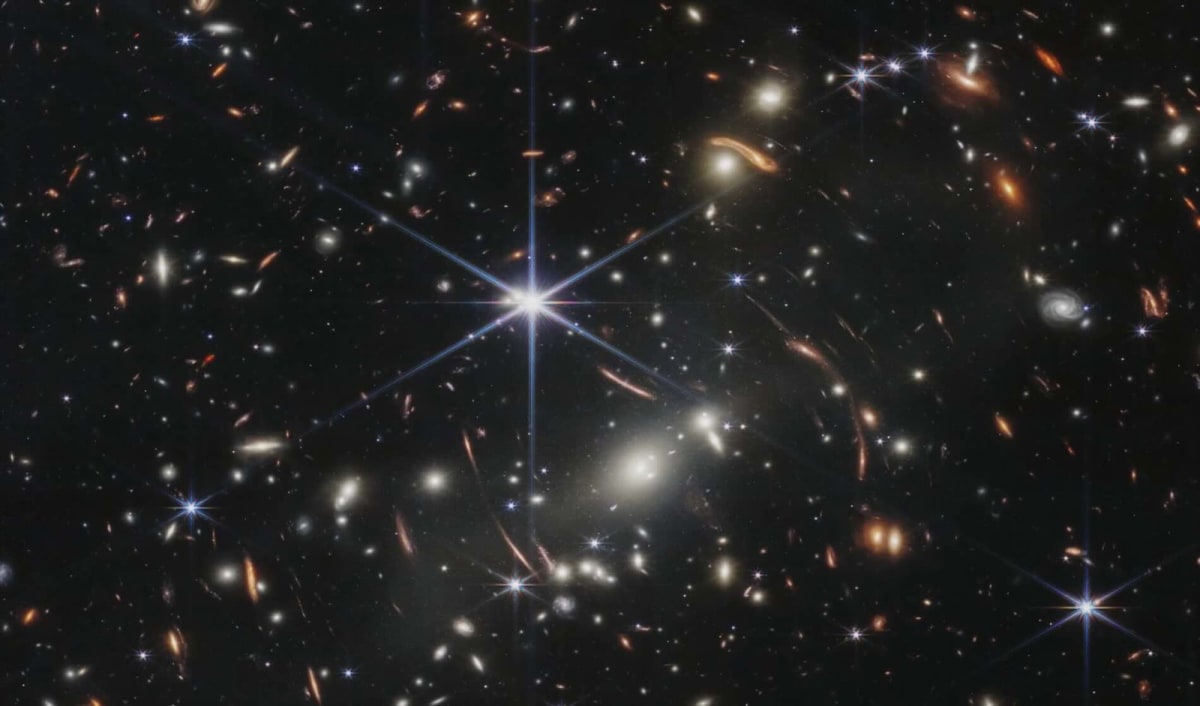
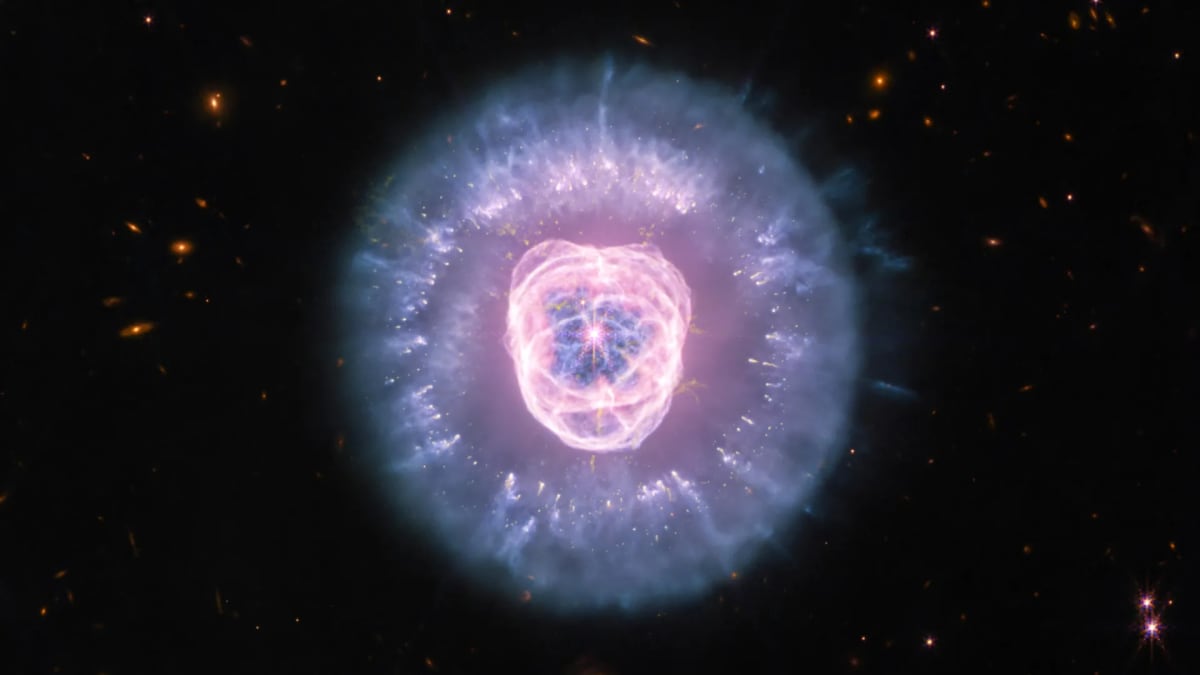
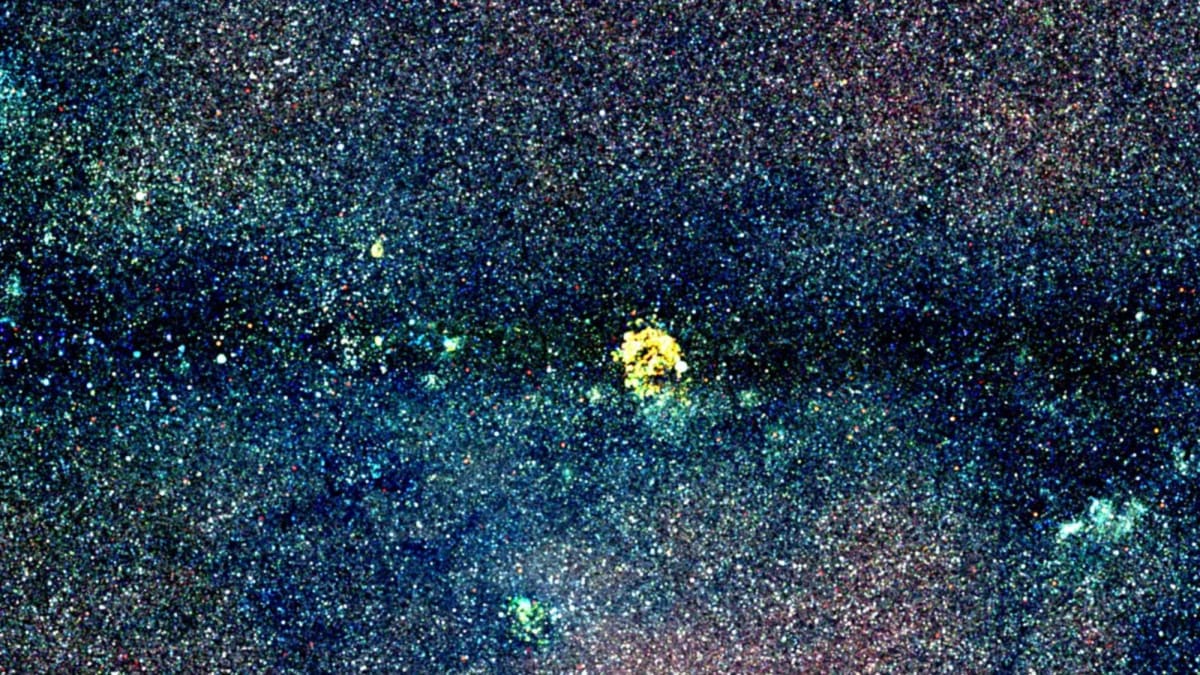
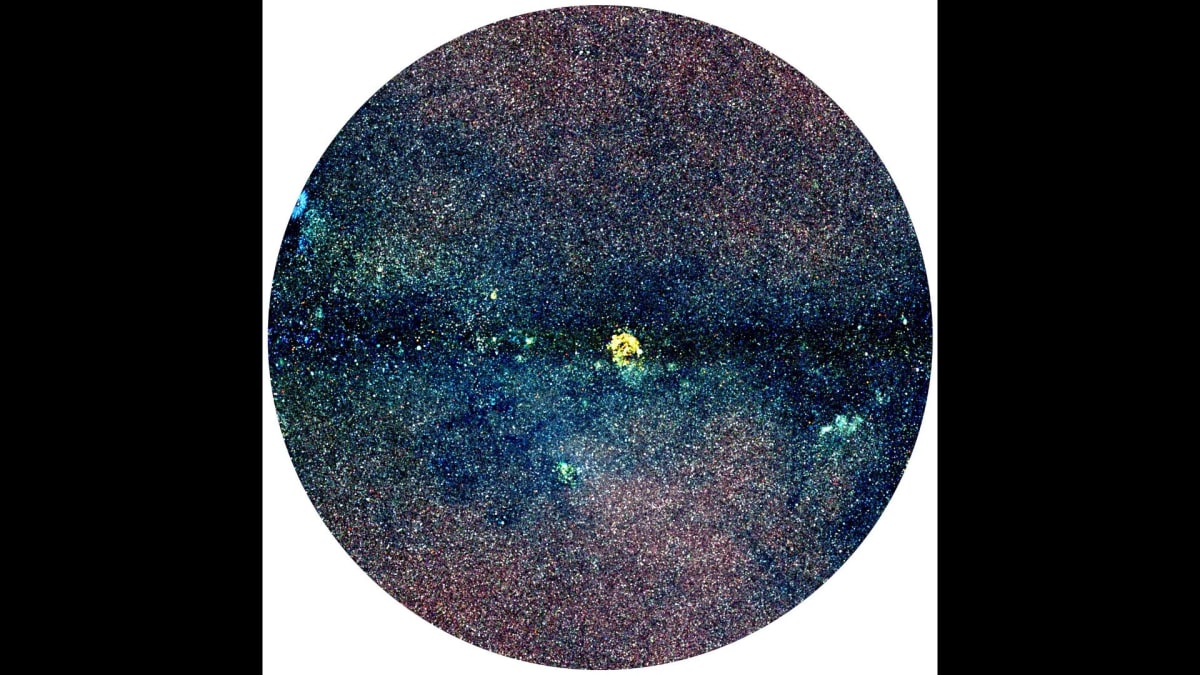
Scientists using the German-led eROSITA X-ray telescope have cataloged nearly 2 million cosmic X-ray sources, almost doubling the number we knew about before. The massive dataset includes supermassive black holes, galaxy clusters, distant stars, and the glowing remnants of exploded stars.
This isn't just about counting cosmic objects. Each discovery helps scientists answer fundamental questions about how black holes grow, how galaxies form, and what dark matter and dark energy are doing to shape our universe.
Of the 2 million detections, more than 1.9 million are point sources like active supermassive black holes feeding at the centers of distant galaxies. These cosmic powerhouses heat nearby material to millions of degrees, making them shine brightly in X-rays that visible light telescopes would miss entirely.
Another 64,000 sources are extended objects like massive galaxy clusters and supernova remnants. Galaxy clusters are particularly exciting because they trace the universe's largest structures, showing scientists how dark matter and dark energy have influenced cosmic evolution over billions of years.
The telescope collected this data during three complete scans of the sky over 556 days. By observing the same regions multiple times, it could detect increasingly faint sources that previous surveys missed.
What makes this release special is its uniformity. Having nearly 2 million sources observed under the same conditions gives astronomers an unprecedented ability to spot patterns and trends across cosmic time.
The team also matched many X-ray sources with observations from optical and infrared telescopes. This detective work helps determine whether each bright spot is a nearby star, a distant galaxy, or something else entirely. So far, about 88% of identified sources are distant galaxies hosting actively feeding supermassive black holes.
Why This Inspires
This catalog represents years of patient observation, international collaboration, and the simple human drive to understand our place in the cosmos. Scientists from around the world now have access to this free, public dataset, meaning discoveries could come from anywhere.
Young researchers in countries without major space programs can now study the same data as established institutions. A student in any corner of the world might be the one to spot a rare phenomenon or identify a pattern that unlocks new understanding about how our universe works.
The release also demonstrates how technology keeps expanding what's possible. Each generation of telescopes sees deeper and clearer, revealing layers of cosmic complexity our ancestors could never have imagined.
With this comprehensive map of the high-energy universe, we're not just collecting data. We're building a cosmic time machine that shows how the universe evolved from the Big Bang to today, one X-ray source at a time.
More Images


Based on reporting by Space.com
This story was written by BrightWire based on verified news reports.
Spread the positivity!
Share this good news with someone who needs it