James Webb Reveals Stunning Lion Nebula in Infrared
The James Webb Space Telescope captured breathtaking new images of a dying star's spectacular aftermath, revealing a cosmic lion sculpted from gas and dust. The discovery shows how even stellar death creates extraordinary beauty that will inspire astronomers for years to come.
A dying star 5,000 light years away is putting on one of nature's most beautiful shows, and the James Webb Space Telescope just captured it in stunning detail.
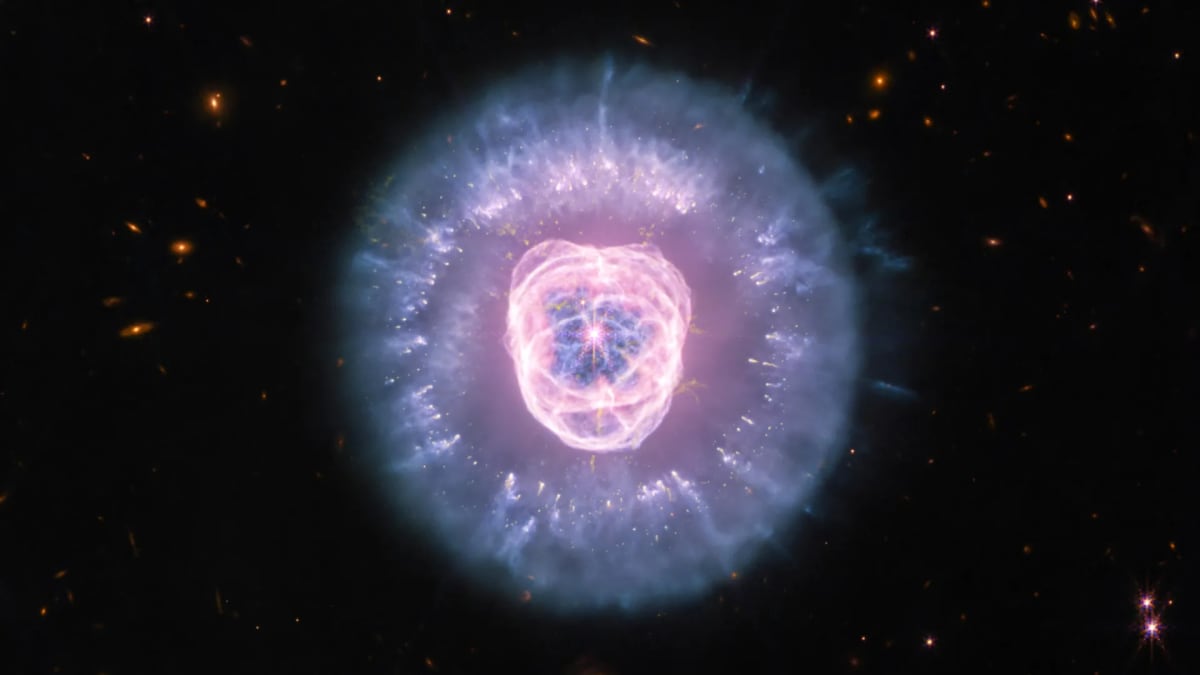
The Lion Nebula, officially known as NGC 2392, looks remarkably like its namesake with a glowing face and flowing mane made entirely of cosmic gas and dust. At the center sits a white dwarf star, the scorching hot remnant of a Sun-like star that ran out of fuel thousands of years ago.
When lower-mass stars like our Sun reach the end of their lives, they don't explode like massive stars do. Instead, they pulsate and gently shed their outer layers into space, creating what astronomers call a planetary nebula.
The white dwarf at the Lion Nebula's center is essentially cooking the surrounding material from within. Its intense radiation blasts outward, creating a bubble of ionized gas that forms the lion's distinctive face while illuminating the dusty "mane" around it.
Webb's infrared cameras revealed details that previous telescopes couldn't capture. The nebula's mane contains compact clumps of dust dense enough to survive the white dwarf's radiation, each one casting a protective shadow over material behind it.
These dust clumps create comet-like tail structures that give the lion its wild, flowing appearance. The intricate rings and shells astronomers see are still being studied, as scientists work to understand exactly how dying stars sculpt such complicated patterns.
The images effectively freeze one moment in the nebula's ongoing transformation. Gas and dust continue traveling outward from the stellar remnant, gradually changing the nebula's shape over time.
Why This Inspires
This cosmic spectacle reminds us that endings can be as beautiful as beginnings. The same star that died thousands of years ago is now creating structures so stunning they captivate scientists and stargazers alike.
The materials being released will eventually disperse throughout space in about 10,000 years. Those elements will become building blocks for future stars, planets, and possibly even life, continuing the universe's grand cycle of renewal.
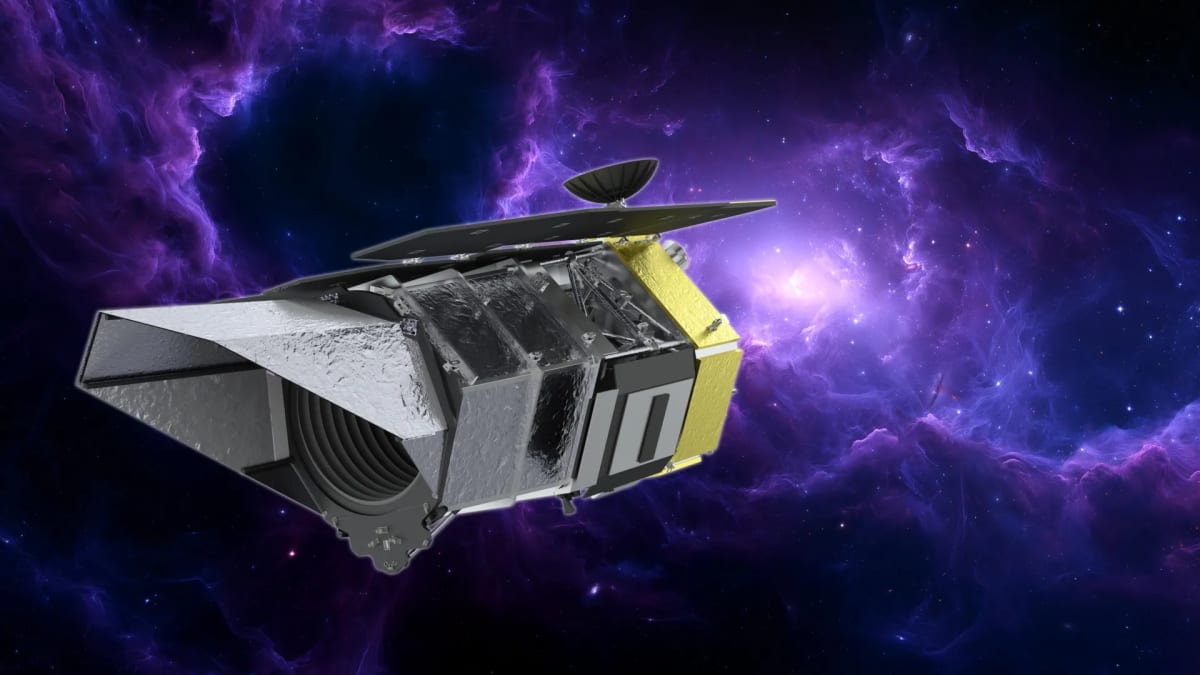
Webb's ability to reveal such hidden beauty represents a triumph of human curiosity and collaboration. Scientists from NASA, the European Space Agency, and the Canadian Space Agency worked together to build the most powerful telescope ever launched, specifically to show us wonders we've never seen before.
Even as the Lion Nebula fades, its legacy will endure in the cosmic dust it spreads across the galaxy and in the inspiration it brings to everyone who witnesses its magnificence.
Based on reporting by Google: James Webb telescope
This story was written by BrightWire based on verified news reports.
Spread the positivity!
Share this good news with someone who needs it