NASA Satellites Reveal Earth's Energy Shift from Space
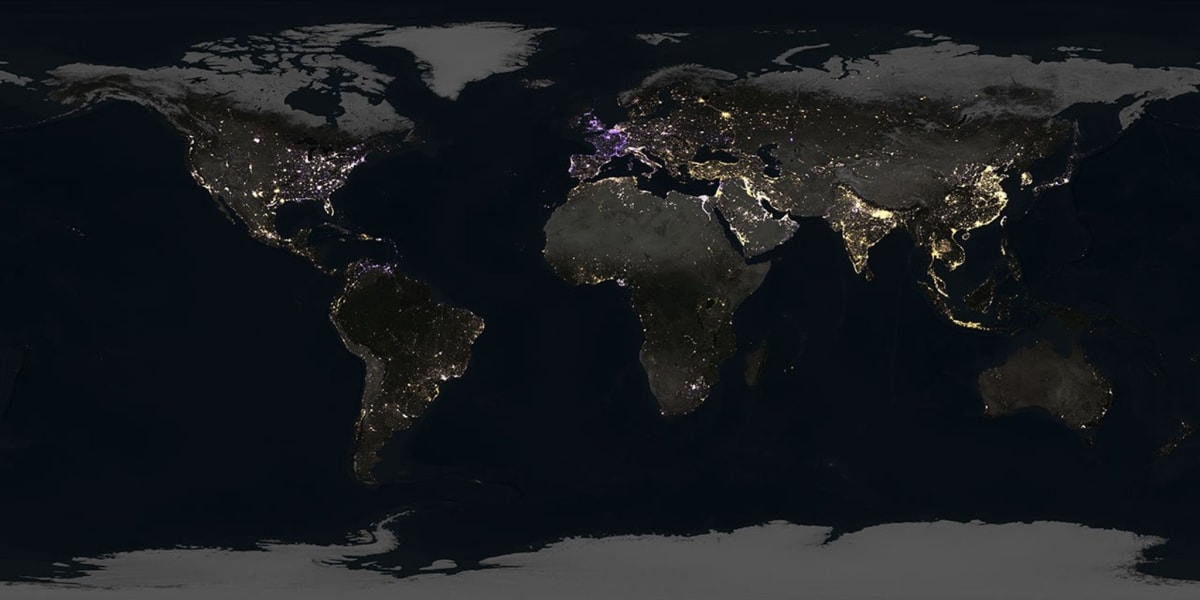
NASA satellites watching Earth every night for nine years just revealed something unexpected: our planet isn't just getting brighter. From energy-saving LED lights dimming European cities to gas flares lighting up Texas oil fields, the world's energy story is more complex and hopeful than scientists thought.
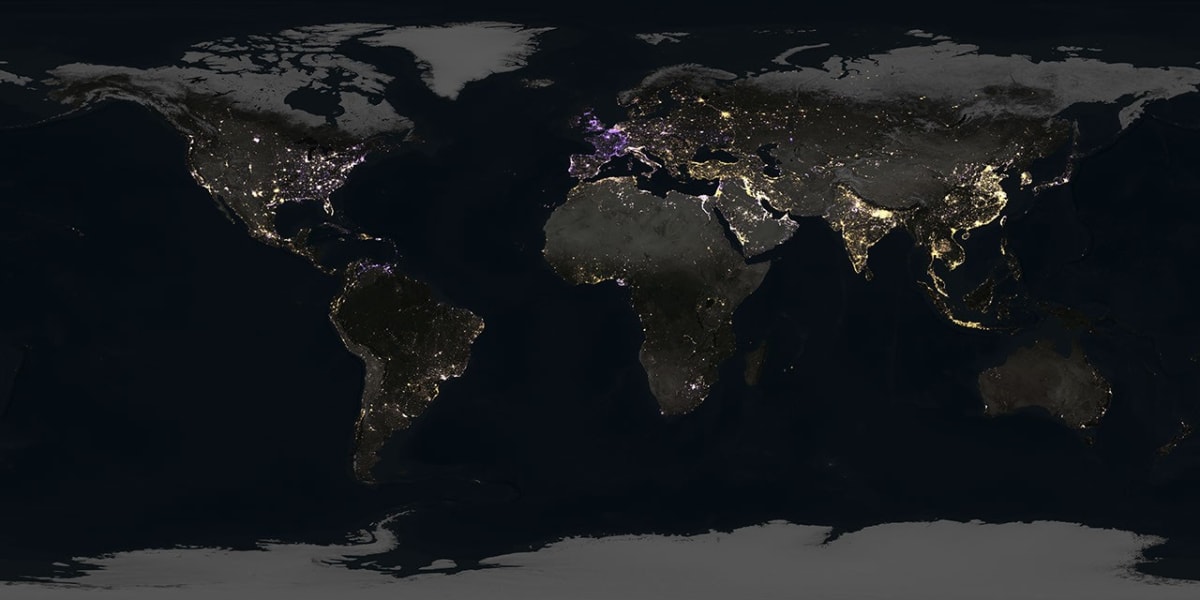
Scientists analyzed 1.6 million satellite images taken every single night for nine years and discovered our planet is transforming in ways that challenge everything researchers believed about nighttime light.
For decades, experts assumed Earth simply grew brighter each year as development spread. The truth turned out far more interesting: while global nighttime radiance increased 34% between 2014 and 2022, massive areas also dimmed as communities embraced smarter energy choices.
NASA's refrigerator-sized sensors, orbiting Earth at over 16,000 miles per hour, captured these changes with incredible precision. They can spot light sources as small as a single toll booth on a dark highway. Flying aboard satellites 500 miles above us, these instruments watched civilization's energy habits shift in real time.
The study team from the University of Connecticut created new algorithms that act like smart glasses for satellites, filtering out moonlight and clouds to reveal genuine changes. What they found tells stories of both progress and waste happening side by side.
France dimmed by 33% as the nation switched to LED streetlights and embraced energy conservation. The United Kingdom reduced its nighttime glow by 22%, and the Netherlands by 21%. These aren't small towns making incremental changes. These are entire nations choosing efficiency over excess.
American cities showed the same trend. Much of the East Coast dimmed as communities installed LEDs and modernized their grids. Meanwhile, West Coast cities brightened alongside growing populations, showing development doesn't have to mean waste.
The satellites also revealed less encouraging patterns. Intense gas flaring lit up Texas's Permian Basin and North Dakota's Bakken Formation as domestic oil production hit record levels. When oil companies burn off excess methane at wellheads, they're literally setting money on fire while releasing carbon dioxide and soot.
Deborah Gordon, a methane expert at the Rocky Mountain Institute, said making this data public changes everything. Companies, investors, and insurers can now see exactly where energy gets wasted. The information comes free through NASA's Black Marble product suite, funded by taxpayer dollars and available to anyone.
The maps caught major global events too. European nights dimmed sharply in 2022 during an energy crisis following the Russia-Ukraine conflict. Northern India and China surged brighter with rapid urban development. Each change tells a human story of choices, challenges, and adaptation.
The Ripple Effect
This isn't just about pretty maps or satellite technology. Free access to this data means communities worldwide can track their progress toward efficiency goals. Developing nations can plan rural electrification projects. Energy analysts can spot waste and opportunity across entire continents.
Researchers describe watching these nightly changes as observing the planet's heartbeat. Every flicker represents millions of people making decisions about how they power their lives, communities choosing between old habits and new possibilities.
The best part? The same technology revealing our waste also proves we're capable of dramatic positive change when we choose it.
More Images


Based on reporting by NASA
This story was written by BrightWire based on verified news reports.
Spread the positivity!
Share this good news with someone who needs it