NASA Saves $500M Telescope in 9-Month Emergency Mission
A space telescope that has studied the universe for 22 years was headed for a fiery crash to Earth. NASA pulled off a last-minute rescue in record time.
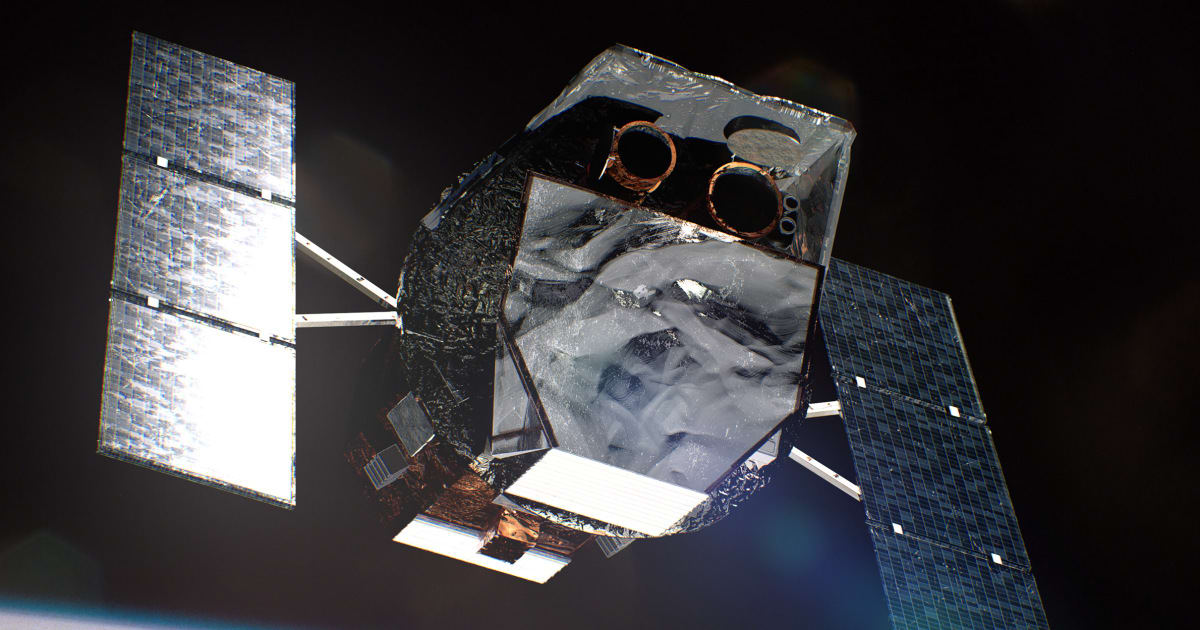
The Swift Observatory has been watching gamma-ray bursts from deep space since 2004, helping scientists understand how our universe began. But recent solar storms knocked it dangerously off course, pushing it toward a deadly plunge through Earth's atmosphere.
NASA had a problem. Swift was circling at just 224 miles above Earth and dropping fast. Without its own engines, the half-billion-dollar telescope couldn't save itself.
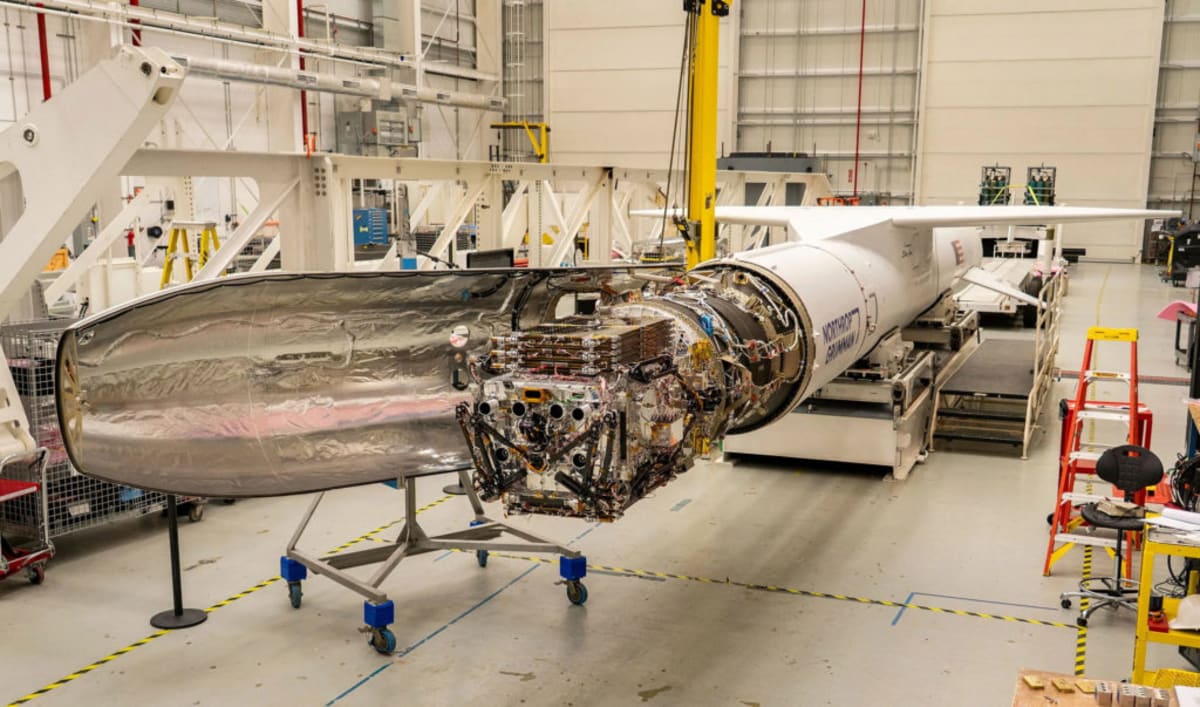
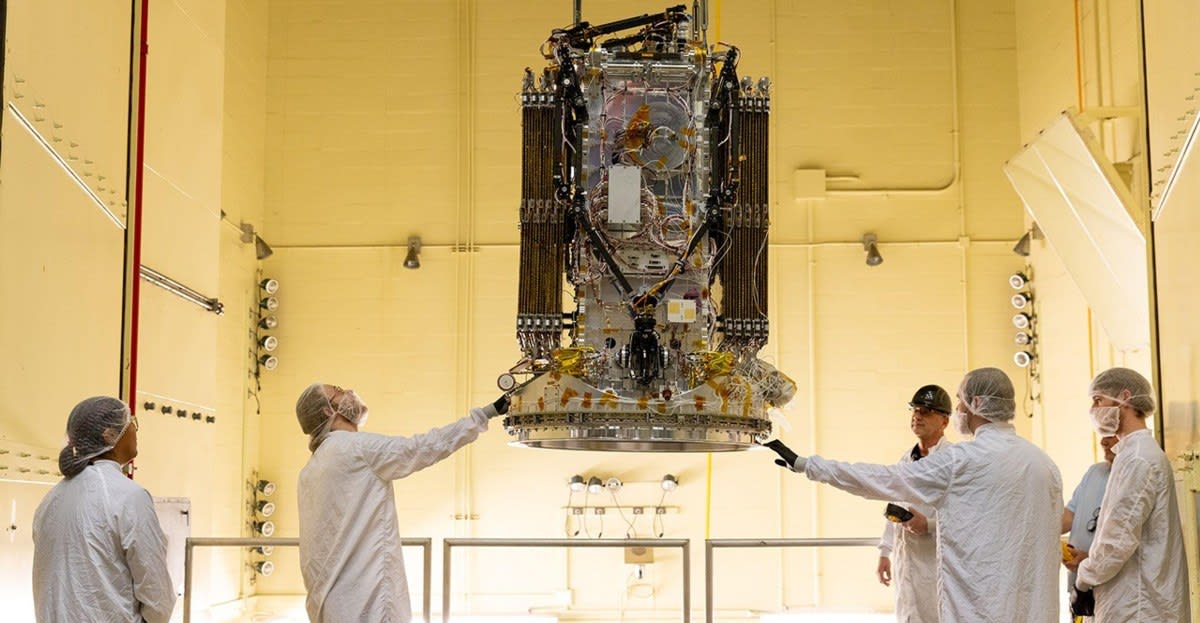
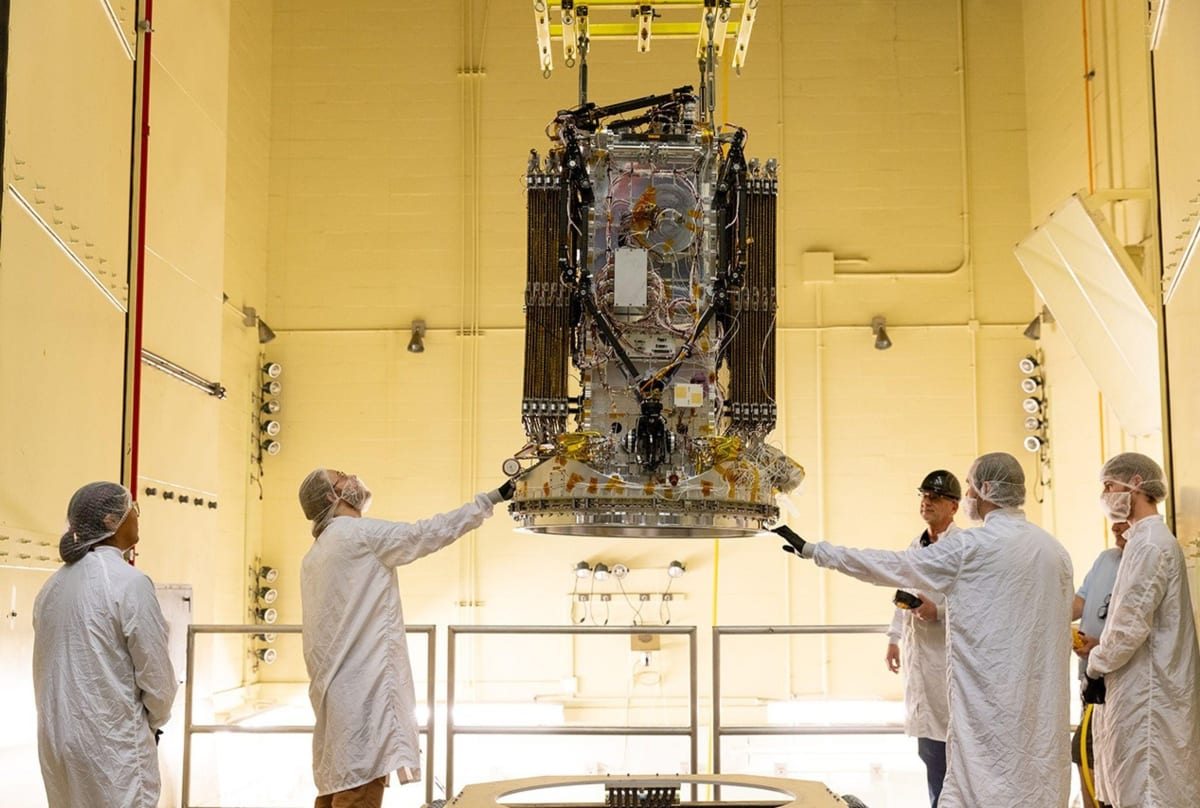
Enter Katalyst Space Technologies with an audacious plan. The company would build a rescue spacecraft from scratch, launch it into orbit, grab Swift with robotic arms, and lift it 150 miles higher to safety.
The catch? They had nine months to do it. By October, Swift would be too low to rescue.
On Friday, Katalyst's Link spacecraft blasted off right on schedule. The three-armed robot is now racing to intercept Swift and push it back to its safe orbit.
What makes this rescue remarkable isn't just the technical challenge of catching a tumbling satellite in space. It's the breakneck speed of the entire operation.
Space missions usually take years of planning. Katalyst pulled this one together in nine months for $30 million, a fraction of what it would cost to replace Swift's decades of scientific work.
The Bright Side
Swift's mission has been anything but typical. The Neil Gehrels Swift Observatory has spent over two decades capturing gamma-ray bursts, massive explosions from the early universe that last only seconds but shine brighter than billions of suns.
These cosmic flashes help scientists understand what happened in the first moments after the Big Bang. Losing Swift would mean losing one of our most important windows into the universe's history.
The rescue mission shows how far the commercial space industry has come. A private company can now design, build, and launch a complex orbital rescue in less time than it takes most government projects to finish their paperwork.
It also proves that sometimes the best way to solve a problem is to move fast. Instead of studying the issue for years, NASA gave Katalyst a tight deadline and the freedom to innovate.
If Link succeeds, Swift will keep watching the cosmos for years to come, adding to humanity's understanding of where we came from.
More Images



Based on reporting by The Verge
This story was written by BrightWire based on verified news reports.
Spread the positivity!
Share this good news with someone who needs it