NASA Saves Voyager 2 From Shutdown With Power Swap Trick
NASA engineers just bought humanity's most distant spacecraft another year of life by pulling off a risky power-saving move called the "Big Bang." Now they're preparing to save its twin, Voyager 1, using the same technique.
NASA just pulled off an interstellar rescue mission from billions of miles away, keeping one of humanity's most incredible scientific achievements alive for another year.
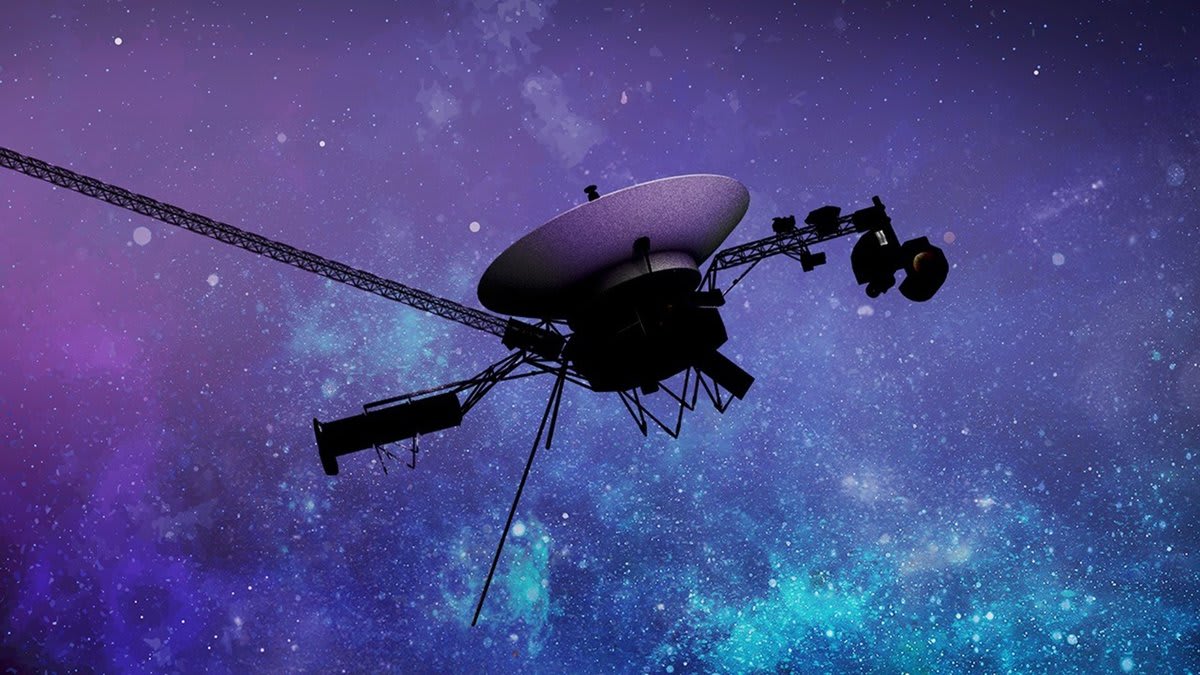
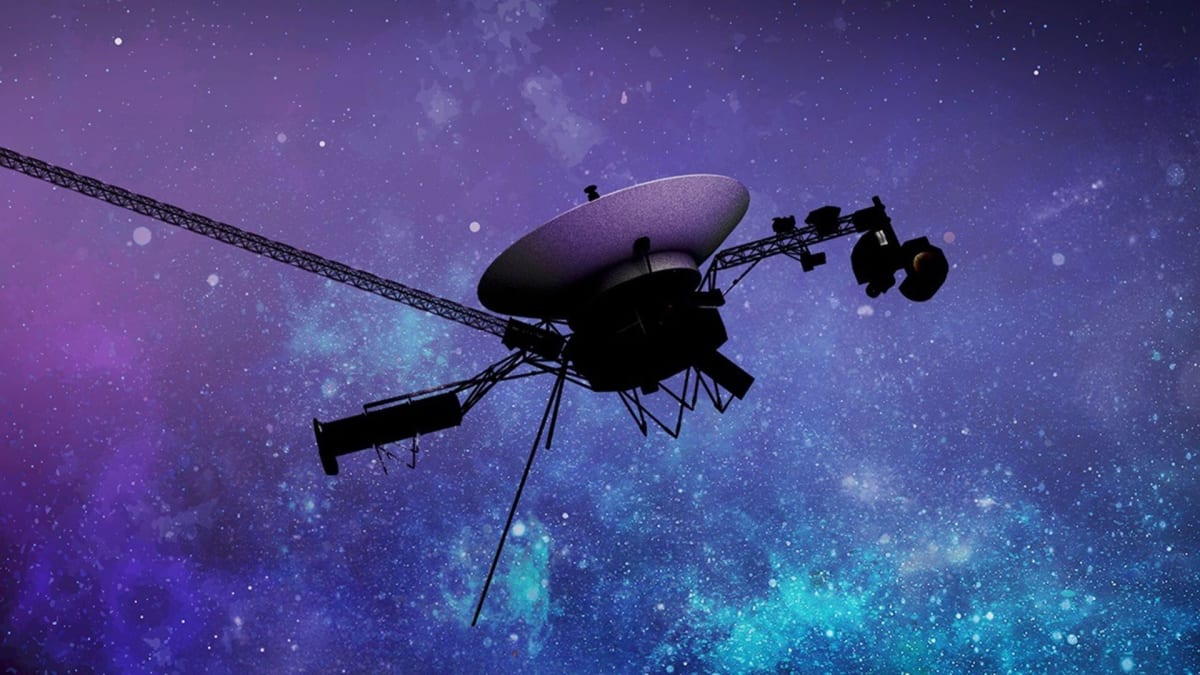
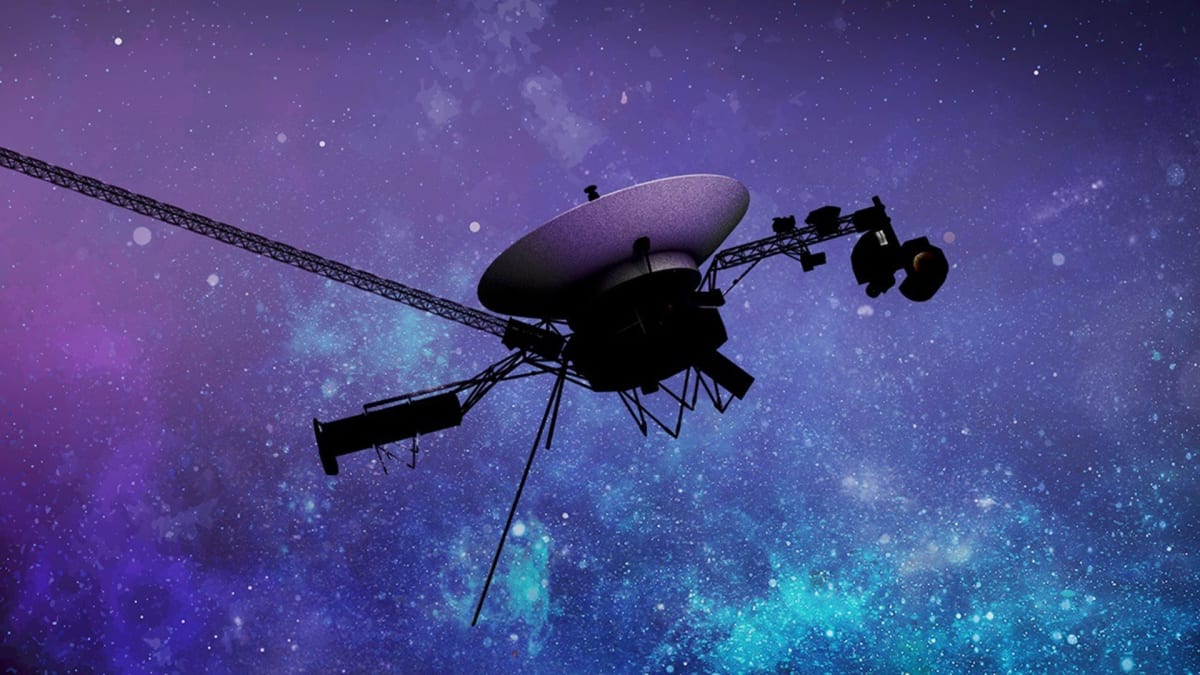
The space agency successfully performed a delicate power-saving maneuver on Voyager 2, one of two spacecraft exploring the mysterious region beyond our solar system. The procedure, nicknamed the "Big Bang," swapped out power-hungry instruments for lower-power alternatives while keeping the 47-year-old probe warm enough to survive in the frigid environment of deep space.
The gamble paid off. According to NASA's August 4 statement, the power transfer worked perfectly, giving Voyager 2 enough juice to keep all three of its remaining science instruments running for at least another year.
Here's why this matters: both Voyager probes are the only working spacecraft exploring interstellar space, the vast region beyond the sun's sphere of influence. Every day they operate, they send back unprecedented data about a frontier no other human-made object has reached.
But time is running out. The spacecraft run on plutonium, which naturally decays at a rate that drains roughly 4 watts of power each year. Voyager 1, humanity's most distant spacecraft at 171 astronomical units from Earth (about 15.9 billion miles), is in worse shape than its twin and had to shut down one of its last instruments in April.
NASA tested the Big Bang procedure on Voyager 2 first because it's closer to Earth at 143 astronomical units and in better health. The successful results mean scientists will attempt the same life-extending maneuver on Voyager 1 within the next few months.
Both spacecraft launched in 1977, catching a rare alignment of outer planets that happens only once every 176 years. Voyager 2 completed a grand tour of Jupiter, Saturn, Uranus, and Neptune, while Voyager 1 ventured above the solar system's plane after visiting Saturn.
Why This Inspires
In November, Voyager 1 will reach an incredible milestone: one light-day from Earth, meaning radio signals take 24 hours to travel one way between our planet and the spacecraft. These machines have been journeying through space for nearly half a century, and dedicated engineers are still finding creative ways to keep them alive.
The Voyager mission represents human ingenuity at its finest. Engineers are solving problems on machines built with 1970s technology, keeping them operational from billions of miles away using nothing but clever thinking and deep knowledge of systems older than many of the scientists now managing them.
Every extra day of operation is a gift. Both spacecraft will turn 50 in 2027, assuming they keep working, continuing to beam back discoveries from a place no human eye will see in our lifetimes.
More Images

Based on reporting by Live Science
This story was written by BrightWire based on verified news reports.
Spread the positivity!
Share this good news with someone who needs it