NASA Scraps Moon Station to Build Lunar Base by 2036
NASA just announced it's canceling plans for a lunar space station and instead will build an ambitious Moon base over the next decade. The agency is shifting from expensive, slow-moving projects to focused action that could land four astronauts on the Moon for month-long missions within 12 years.
After decades of slow progress and billions spent on hardware that rarely launches, NASA just announced the boldest lunar plan in a generation.
Administrator Jared Isaacman revealed Tuesday that NASA is scrapping the Lunar Gateway space station orbiting the Moon. Instead, every dollar and every effort will go toward building an actual base on the lunar surface by 2036.
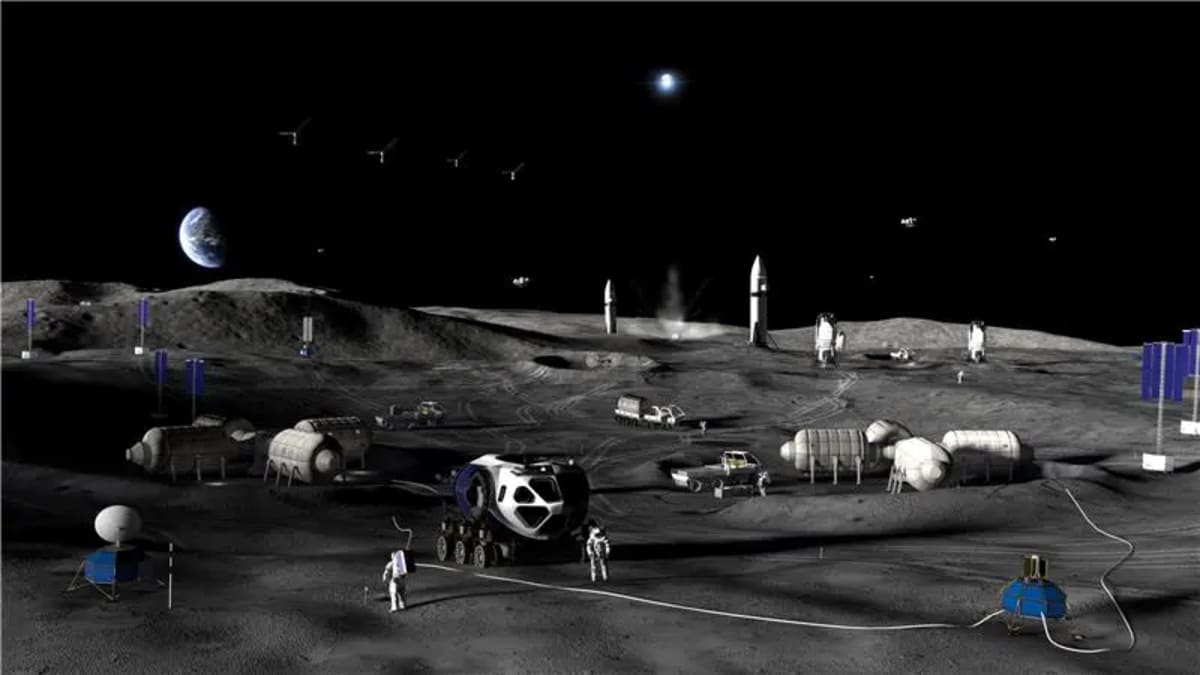
The plan breaks down into three ambitious phases. From now through 2028, NASA will launch 21 missions carrying 4 metric tons of equipment, including drones that can travel 50 kilometers across the Moon's surface and rovers that survive 150 hours without sunlight. Think of it as setting up the neighborhood before building the houses.
Phase two runs from 2029 to 2032 with 27 landings delivering 60 metric tons of gear. This is where things get real: pressurized rovers for astronauts, solar and nuclear power sources, communication towers, and excavator rovers to prepare the building site.
The final phase from 2032 to 2036 brings the dream home. Over 28 missions, NASA will place 150 metric tons on the surface, including permanent habitats designed to support four astronauts on month-long missions. The base will feature manufacturing facilities, multiple power sources, scientific labs, and the ability to produce rocket fuel right there on the Moon.
Carlos Garcia-Galan, who led the now-canceled Gateway project, isn't mourning the loss. He's fired up about the new mission. "Everyone wants to be on the surface," he said after the announcement. His enthusiasm reflects a bigger shift at NASA from building things in orbit to actually getting boots on the ground.
Isaacman made clear this isn't just about exploration. It's about results. "The American people have waited long enough," he said, referencing years of delays and billions in waste documented by NASA's own inspector general. He promised "uncomfortable action" if contractors miss deadlines or blow budgets.
The Ripple Effect
This shift could transform how America does space exploration. By working with multiple commercial partners through NASA's Commercial Lunar Payload Services program, the agency is spreading opportunities across the industry rather than locking into single massive contracts that drag on for decades.
The plan also opens doors for international cooperation and private sector innovation. With clear phases and realistic timelines, companies can plan investments and universities can prepare experiments. Kids dressing up as astronauts for Halloween might actually see those astronauts living on the Moon during their lifetime.
Perhaps most importantly, focusing resources on one clear goal means faster progress than trying to satisfy every stakeholder with scattered projects that never quite launch.
The Moon base isn't just a destination anymore—it's a deadline with a detailed roadmap to get there.
More Images



Based on reporting by Ars Technica
This story was written by BrightWire based on verified news reports.
Spread the positivity!
Share this good news with someone who needs it