NASA Sensor Finds Sewage Spills and Ocean Plastic From Space
A NASA sensor designed to map desert dust just discovered it can spot pollution from orbit. The breakthrough could help us track and clean up our oceans like never before.
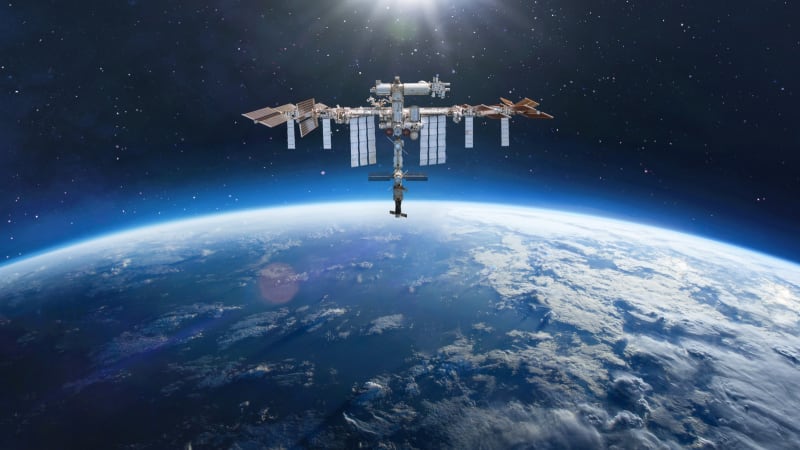
A NASA sensor attached to the International Space Station just accidentally became our newest weapon against ocean pollution.
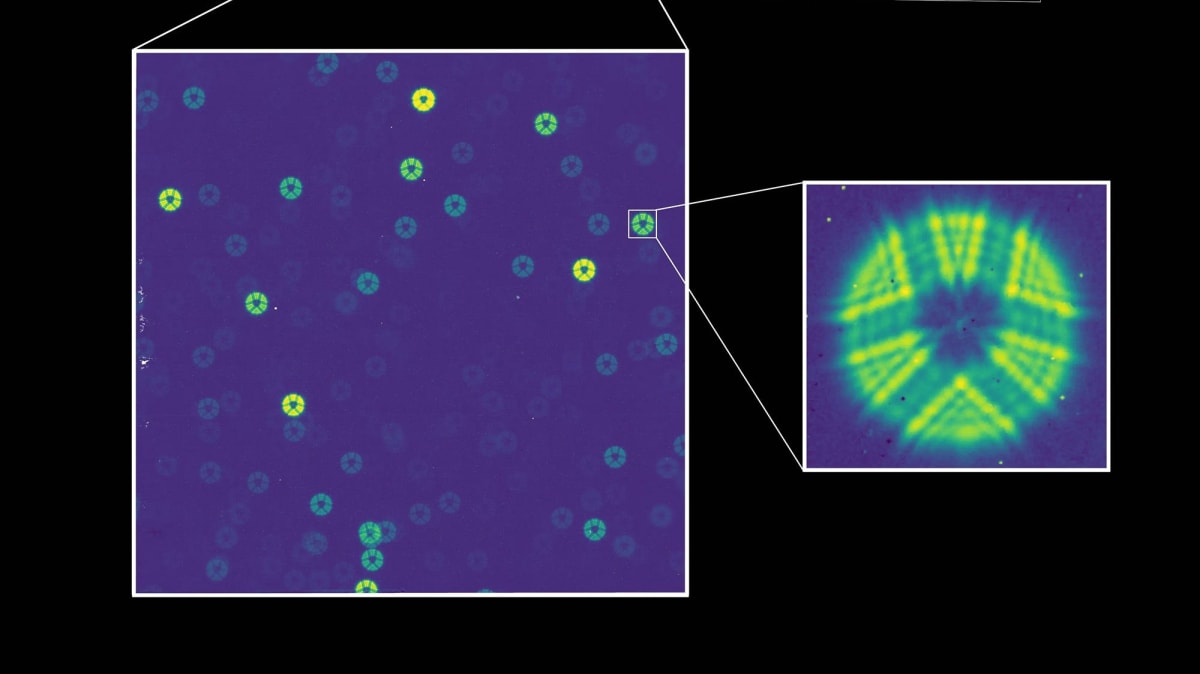
Scientists installed the Earth Surface Mineral Dust Source Investigation sensor (EMIT for short) to study how desert dust affects our climate. The imaging spectrometer measures how minerals reflect and absorb light, helping researchers map Earth's dusty regions from 250 miles above our heads.
But the NASA team discovered EMIT could do something nobody expected. When they pointed it at the Pacific Ocean near Tijuana, the sensor detected a massive sewage spill flowing from the Tijuana River based on how the wastewater blocked reflected light. The discovery meant crews on the ground could map the spreading plume in real time and find the best spots to collect samples for testing.
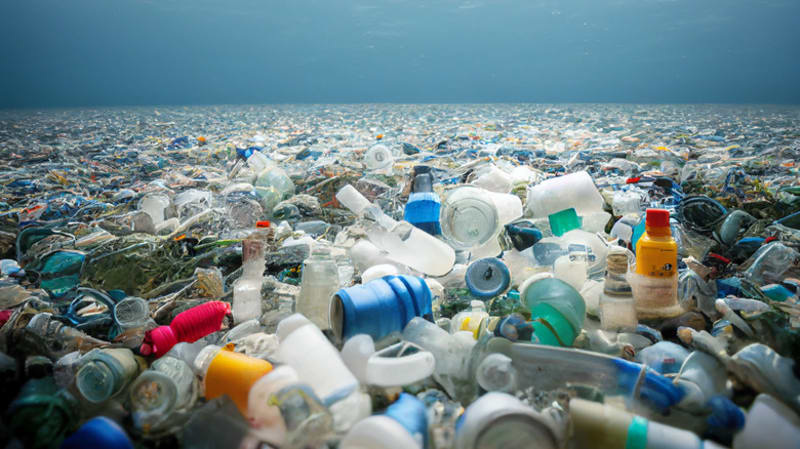
The team pushed further and trained EMIT to spot plastic pollution floating in the ocean. The challenge was enormous because ocean water absorbs infrared light, hiding most debris beneath the surface. Plus, ocean garbage includes thousands of different materials, from rope and tires to bubble wrap and bottle caps, each with its own light signature.
Enter NASA intern Ashley Ohall, who compiled a library of nearly 25,000 molecular fingerprints for different types of trash. Her work gave scientists a reference guide to identify debris from space, making the invisible visible.
The Ripple Effect
The breakthrough means we can now track how massive garbage patches move with ocean currents, sometimes traveling thousands of miles from where they started. Scientists can study pollution patterns on a scale that was impossible before, helping coastal communities prepare for incoming debris and target cleanup efforts where they matter most.
EMIT already tracks methane and carbon dioxide leaks across the planet. With these new pollution detection abilities, researchers are wondering what else the sensor might reveal that we haven't even thought to look for yet.
The technology proves that sometimes our best discoveries come from tools built for completely different purposes. NASA plans to deorbit the ISS in 2030, which means we have just six years to learn everything EMIT can teach us about protecting our oceans and atmosphere.
More Images


Based on reporting by Google: NASA discovery
This story was written by BrightWire based on verified news reports.
Spread the positivity!
Share this good news with someone who needs it