NASA Solves Asteroid Bennu's Boulder Mystery
Scientists finally cracked the puzzle of why asteroid Bennu looked so unexpectedly rocky when NASA's spacecraft arrived. The answer hiding inside samples brought back to Earth reveals a fractured world that changes how we understand asteroids.
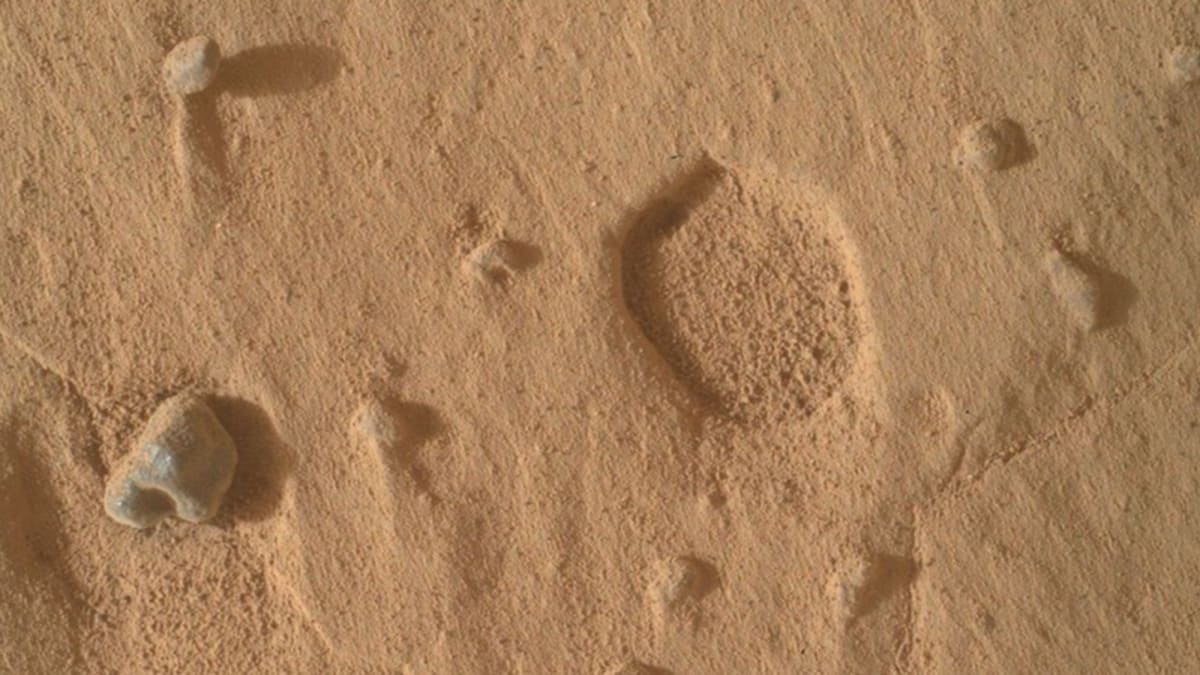
When NASA's OSIRIS-REx spacecraft reached asteroid Bennu in 2018, the mission team got a shocking surprise. Instead of the smooth, sandy patches they expected to find, the asteroid looked like a pile of giant boulders with nowhere safe to land.
"We were scratching our heads for a while," said Andrew Ryan, a scientist at the University of Arizona who led the team studying Bennu's samples. Earlier observations from Earth had suggested Bennu would have fine, beach-like sand perfect for collecting samples.
The puzzle deepened when scientists compared old data with new observations. In 2007, NASA's Spitzer Space Telescope had measured how quickly Bennu's surface heated and cooled, which suggested sandy material. But big boulders should hold heat much longer, like concrete blocks that stay warm after sunset.
The spacecraft's instruments hinted that Bennu's rocks might be unusually porous, full of tiny holes. But when the samples finally arrived on Earth, researchers discovered something even more interesting.
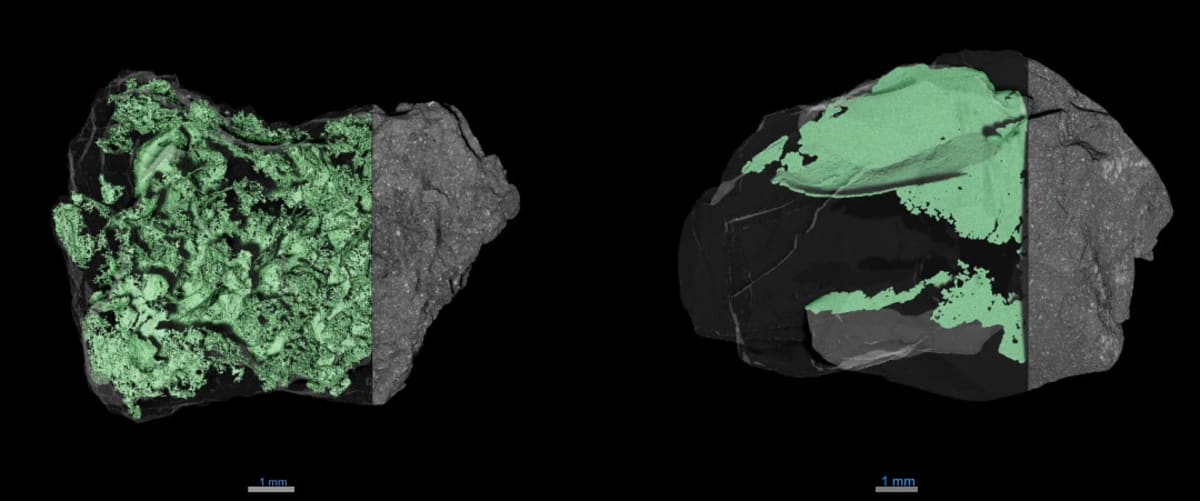
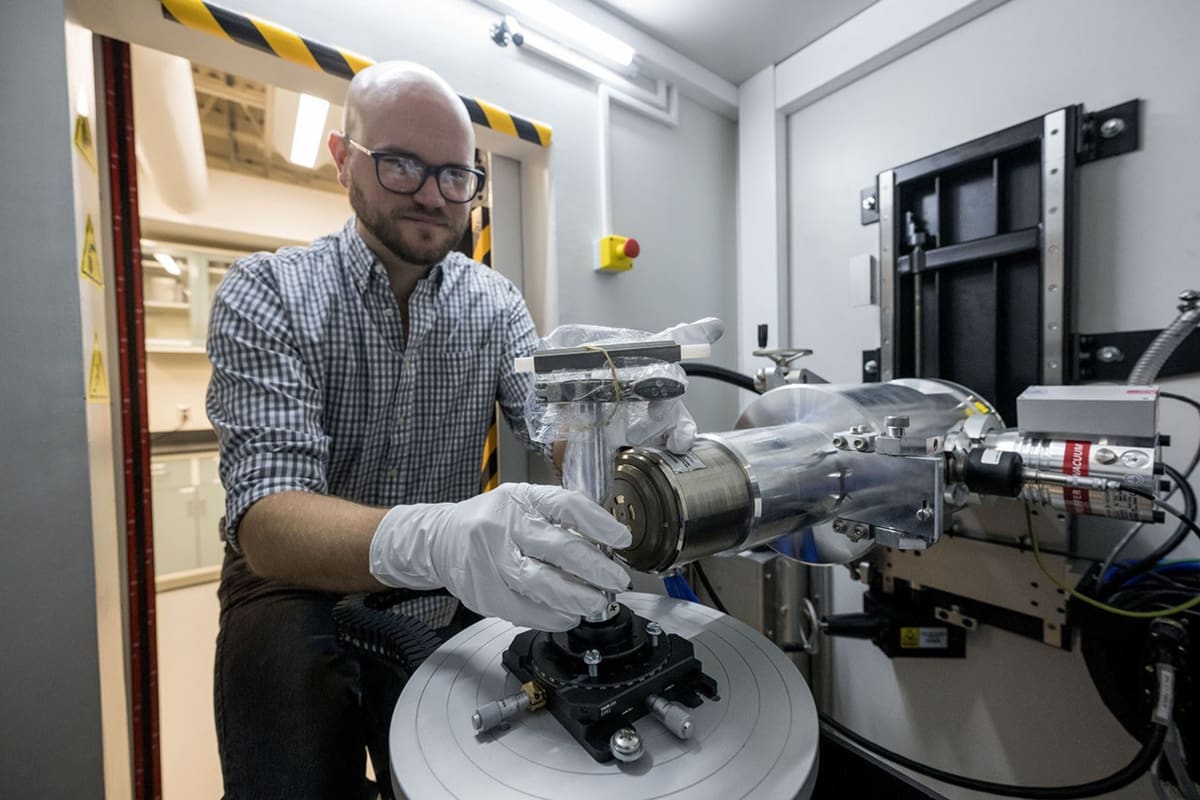
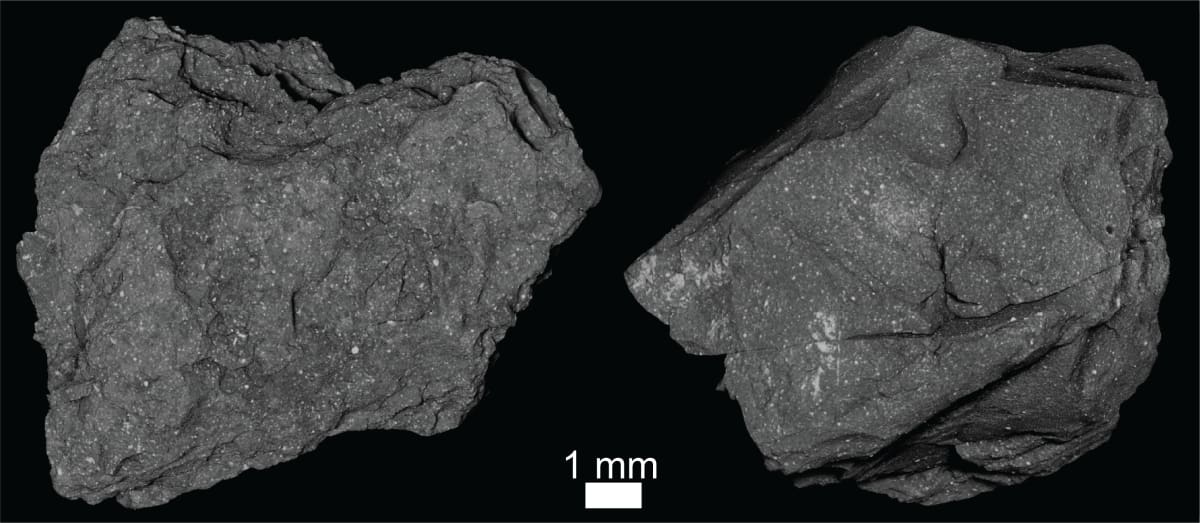
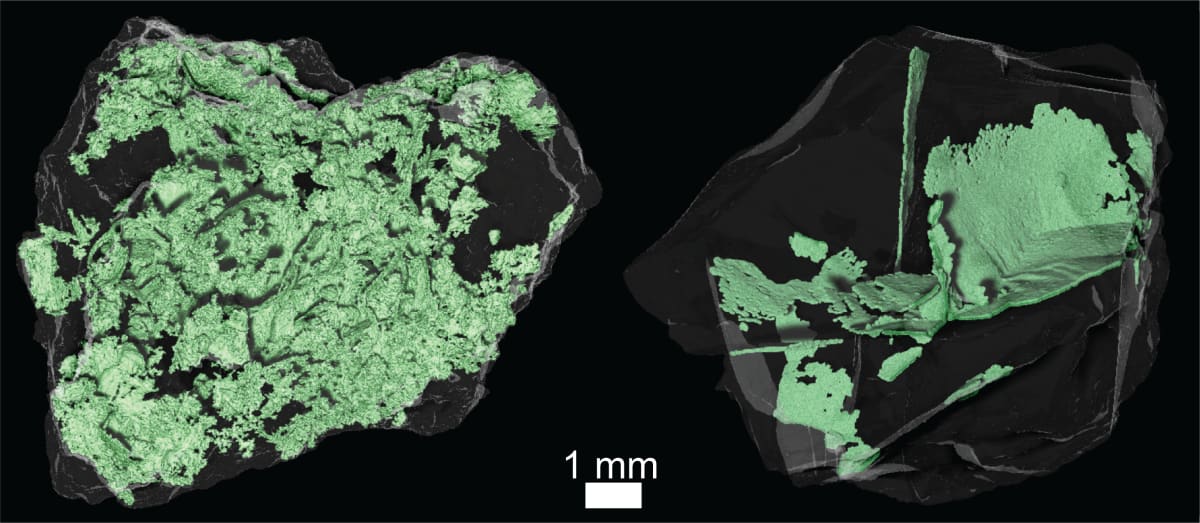
Ryan's team examined the space rocks using advanced X-ray scanning technology at NASA's Johnson Space Center in Houston. They kept the precious samples sealed in airtight containers filled with protective nitrogen, like tiny spacesuits for rocks. The X-ray scans let them peer inside without exposing the samples to Earth's atmosphere.
What they found was remarkable. The rocks weren't just porous. They were riddled with extensive networks of cracks running throughout.
A team in Japan tested how heat moved through the sample particles using lasers, watching the warmth spread like ripples across a pond. The cracks turned out to be the key. They let heat escape quickly, making boulder-covered Bennu behave thermally like a sandy beach.
The Ripple Effect
This discovery changes how scientists understand asteroids across our solar system. Many space rocks might look solid from afar but are actually fragile and fractured inside. This matters for future missions planning to land on asteroids or even trying to deflect dangerous ones heading toward Earth.
The finding also came from NASA's partner mission, JAXA's Hayabusa-2, which brought back samples from another asteroid and found similar results. Together, these missions are rewriting what we know about the rocky wanderers of space.
Understanding asteroid structure helps us prepare for both opportunities and threats. Mining asteroids for resources or protecting Earth from impacts requires knowing whether we're dealing with solid rock or fractured rubble piles held together by gravity.
Scientists solved an eight-year mystery hiding in plain sight, and the answer makes our solar system even more fascinating than we thought.
More Images
Based on reporting by NASA
This story was written by BrightWire based on verified news reports.
Spread the positivity!
Share this good news with someone who needs it