NASA Spacecraft Moved an Asteroid's Path Around the Sun
For the first time in human history, we've measurably changed how a space rock orbits the Sun. NASA's 2022 asteroid impact proved we can defend Earth from cosmic threats.
Humanity just proved it can nudge the solar system. When NASA deliberately crashed a spacecraft into an asteroid in 2022, scientists discovered they didn't just move one space rock—they altered the orbit of two asteroids around the Sun itself.
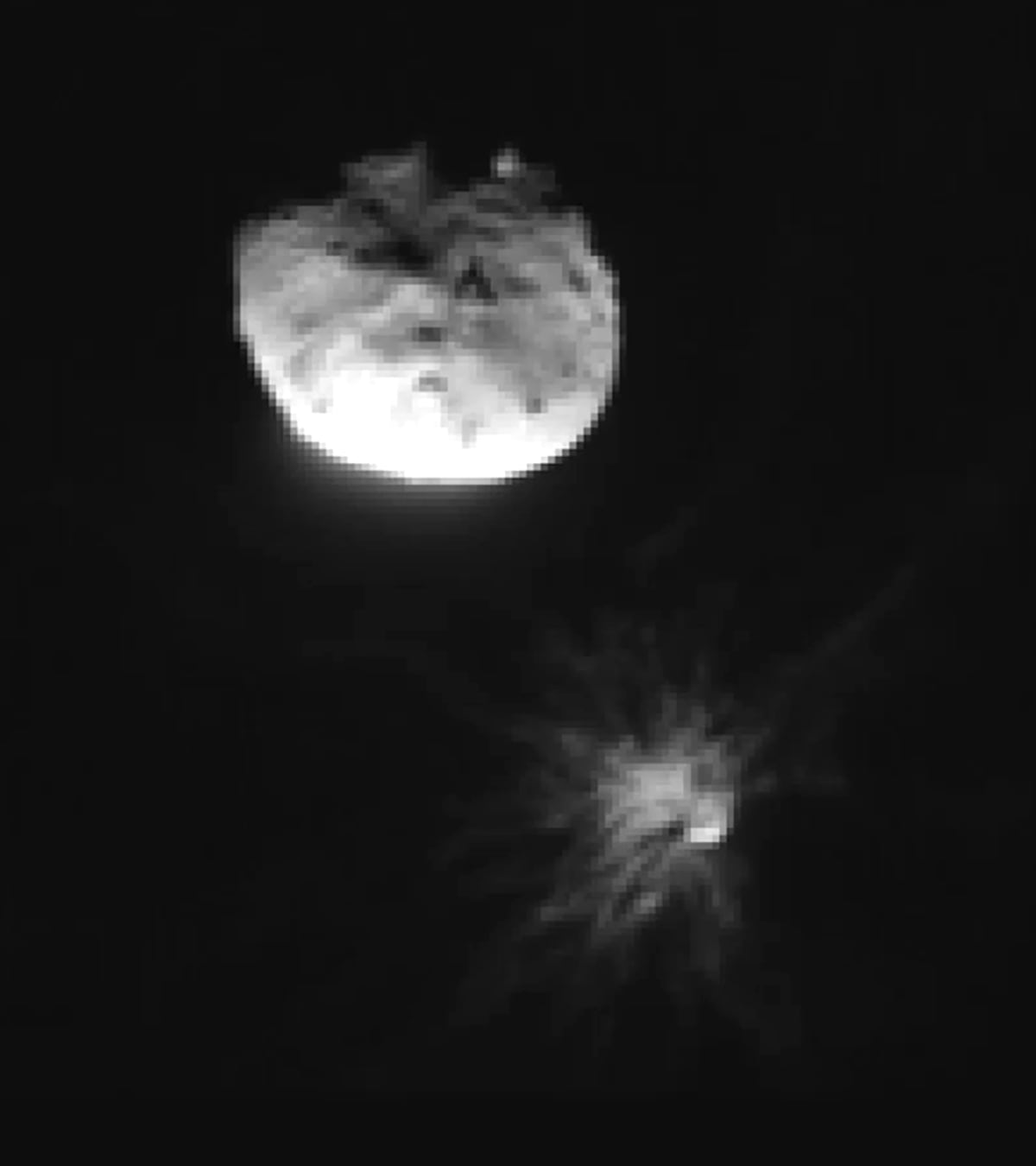
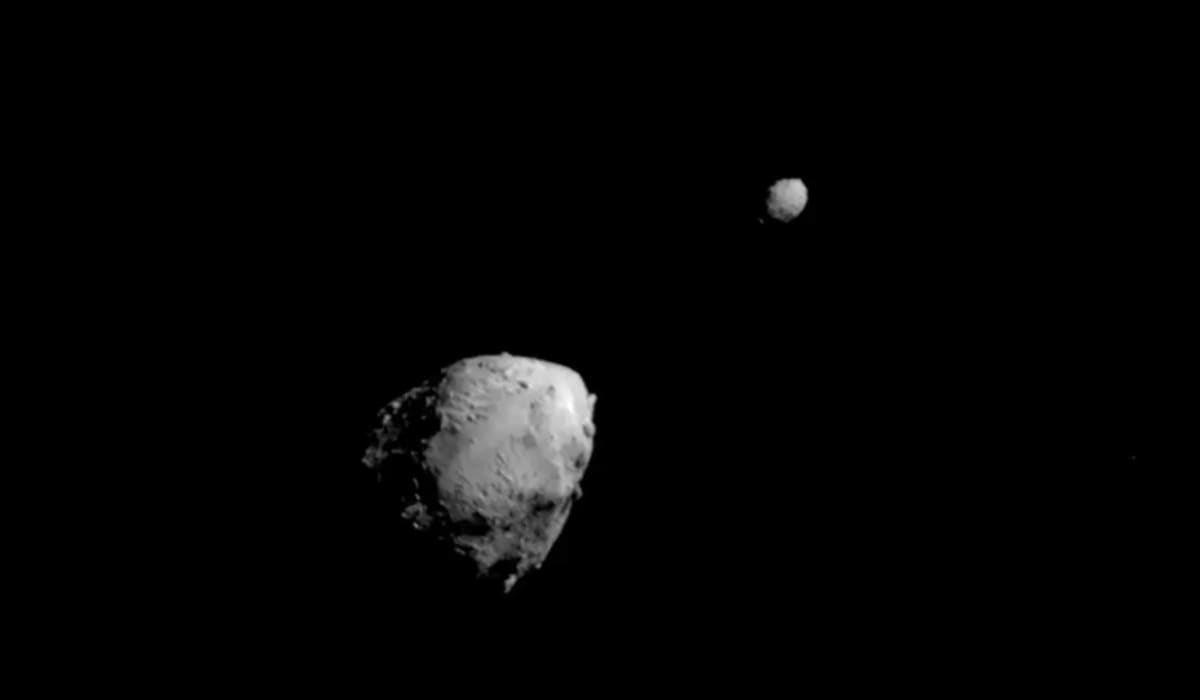
The mission, called DART, slammed into a small asteroid named Dimorphos in September 2022. Dimorphos and its larger companion Didymos orbit each other like cosmic dance partners, linked by gravity in what astronomers call a binary system.
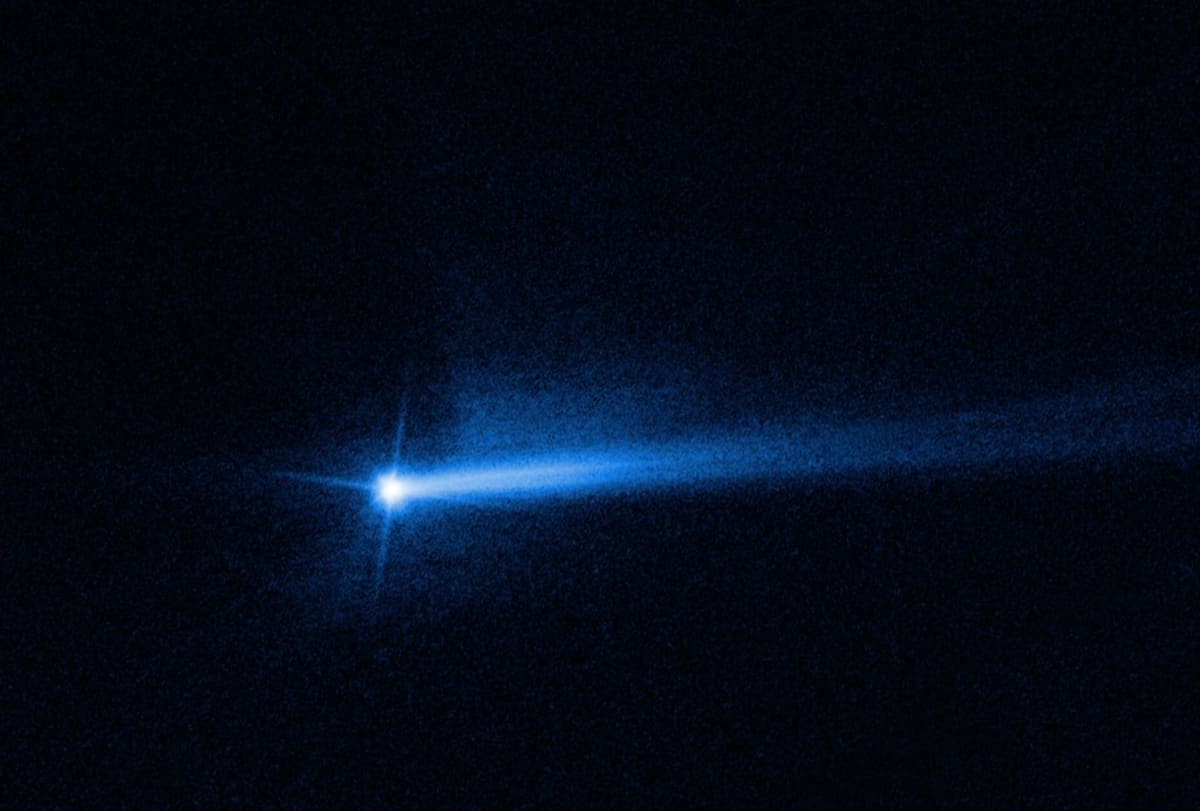
The impact blasted so much rocky debris into space that it gave both asteroids a tiny push. New research published in Science Advances shows their 770-day orbit around the Sun changed by a fraction of a second.
That sounds microscopic, but it's monumental. "This is a tiny change to the orbit, but given enough time, even a tiny change can grow to a significant deflection," said Thomas Statler, NASA's lead scientist for small solar system bodies.
Here's what made the impact so powerful: when DART struck Dimorphos, the collision created an explosive cloud of rock and dust. That debris carried its own momentum away from the asteroid, giving it extra thrust—like a rocket engine firing in reverse.
The numbers tell an inspiring story. The smaller asteroid's orbit around its companion shortened by 33 minutes. The binary system's speed around the Sun changed by just 1.7 inches per hour, but researchers say that's exactly the kind of nudge that could save our planet someday.
Neither asteroid posed any threat to Earth, and the mission couldn't have created one. But the successful test proves that if astronomers detect a dangerous asteroid early enough, we have a real defense option.
The Bright Side
Volunteer astronomers around the world made this discovery possible. Dozens of dedicated sky-watchers tracked 22 stellar occultations between October 2022 and March 2025, watching as the asteroids passed in front of distant stars and blinked them out for fractions of a second.
These observations required traveling to remote locations with no guarantee of success, often depending on perfect weather. Their patience and precision gave scientists the data they needed to measure changes smaller than the width of a human hair.
The research also revealed that Dimorphos is a "rubble pile" asteroid, formed from debris that spun off Didymos long ago. Understanding asteroid composition helps scientists predict how future impacts might work.
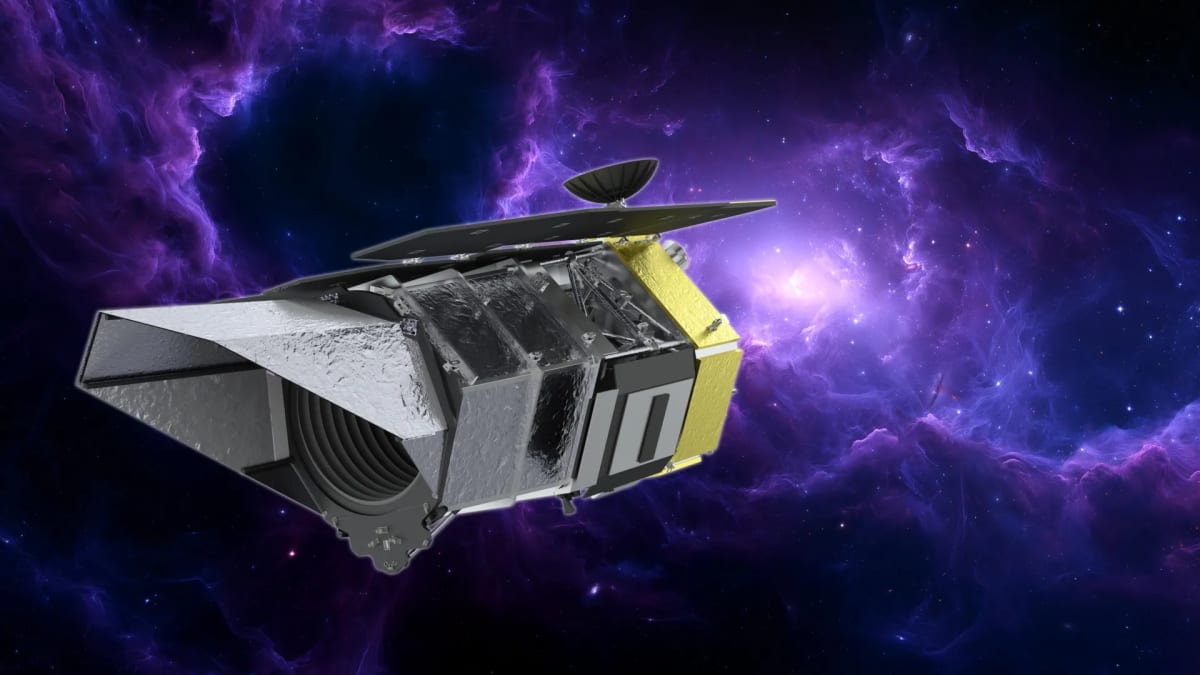
NASA is already building on this success. The agency is constructing the Near-Earth Object Surveyor, a space telescope specifically designed to hunt for hard-to-spot asteroids that don't reflect much light.
We've moved from wondering if we could protect Earth from asteroid impacts to knowing we can—one small nudge at a time.
More Images
Based on reporting by Google News - Science
This story was written by BrightWire based on verified news reports.
Spread the positivity!
Share this good news with someone who needs it