NASA Speeds Up ISS Missions to Maximize Science Before 2030
NASA is moving up its next space station crew launch to September to squeeze in more research before the ISS retires at the end of the decade. The agency will stick with six-month missions to keep astronauts rotating efficiently through humanity's orbital laboratory.
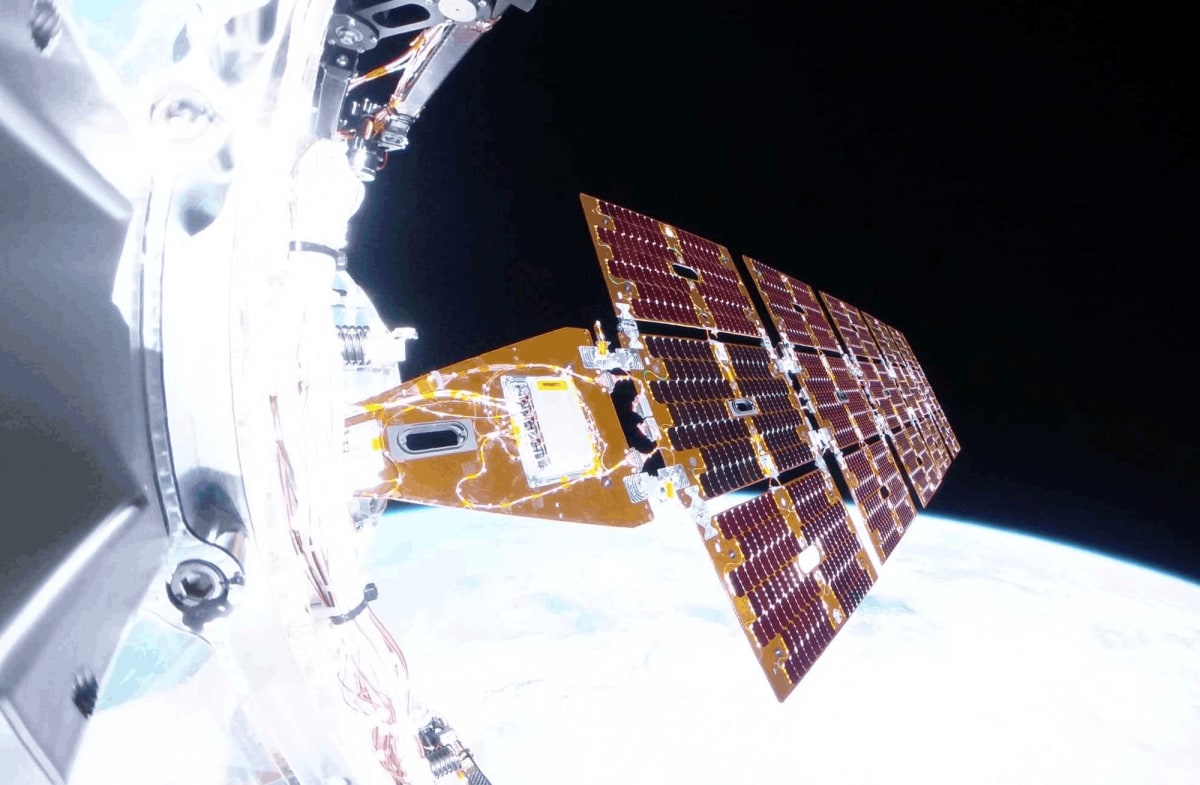
NASA is racing against the clock to make every moment count aboard the International Space Station before it closes its doors in 2030.
The agency just moved up its next crew launch by two months, now targeting mid-September for SpaceX's Crew-13 mission. That might sound like a small scheduling tweak, but it's part of a bigger push to maximize the scientific return from our only orbiting research lab while we still have it.
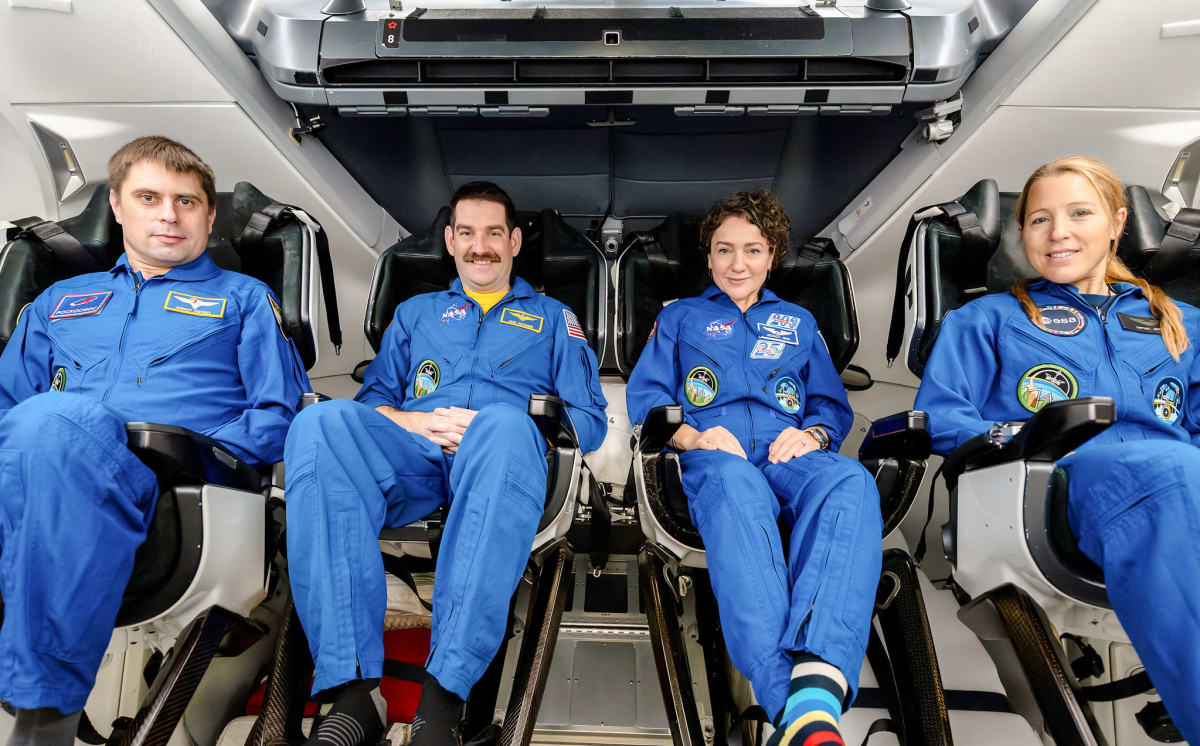
Four astronauts will make the trip: NASA's Jessica Watkins and Luke Delaney, Canada's Joshua Kutryk, and Russia's Sergey Teteryatnikov. They'll join an increasingly busy traffic pattern around the station as NASA works to pack in as much research as possible.
The agency had been considering extending crew stays from six months to eight months, which would have meant fewer missions overall. But NASA's Bill Spetch, who manages ISS operations, confirmed they're sticking with the tried-and-true six-month rotation.
That decision means more astronauts will get the chance to conduct research in microgravity, and experiments can be swapped out more frequently. It's like having more shifts at a laboratory instead of longer ones, keeping fresh eyes on the science.
The accelerated schedule reflects new urgency under NASA Administrator Jared Isaacman, who's been vocal about wringing every possible discovery from the station before retirement. The ISS has been continuously occupied since 2000, making it one of humanity's most successful scientific collaborations.
The upcoming months will be particularly packed. Cargo missions from SpaceX, Russia, and Northrop Grumman are all scheduled to keep supplies and experiments flowing to the orbiting laboratory.
The Bright Side
While the ISS retirement date might sound bittersweet, the push to maximize its final years means we're about to see an explosion of scientific activity 250 miles above Earth. More frequent crew rotations mean more researchers get hands-on time with experiments that simply can't be done on the ground.
The international cooperation continues strong too, with Russian cosmonauts still flying alongside American and Canadian astronauts despite geopolitical tensions below. Science has a way of bringing people together even when politics tries to pull them apart.
Every mission between now and 2030 is a chance to unlock discoveries in medicine, materials science, and biology that could only happen in the unique environment of space. NASA's new sense of urgency means those opportunities won't be wasted.
As we count down the ISS's final years, the focus has shifted from "how long can we keep it running" to "how much good can we do while we're still up there."
More Images


Based on reporting by SpaceNews
This story was written by BrightWire based on verified news reports.
Spread the positivity!
Share this good news with someone who needs it