NASA Spinoff 50th: Space Tech Now Saves Lives on Earth
For 50 years, NASA's space innovations have quietly transformed life on Earth, from your smartphone camera to heart monitors saving patients today. The agency just released its milestone edition celebrating how Moon and Mars tech is building affordable homes and powering life-saving medical devices right now.
That memory foam mattress you sleep on? It started as a NASA project to protect astronauts. Your smartphone camera, scratch-resistant glasses, and wireless headset all trace back to space exploration too.
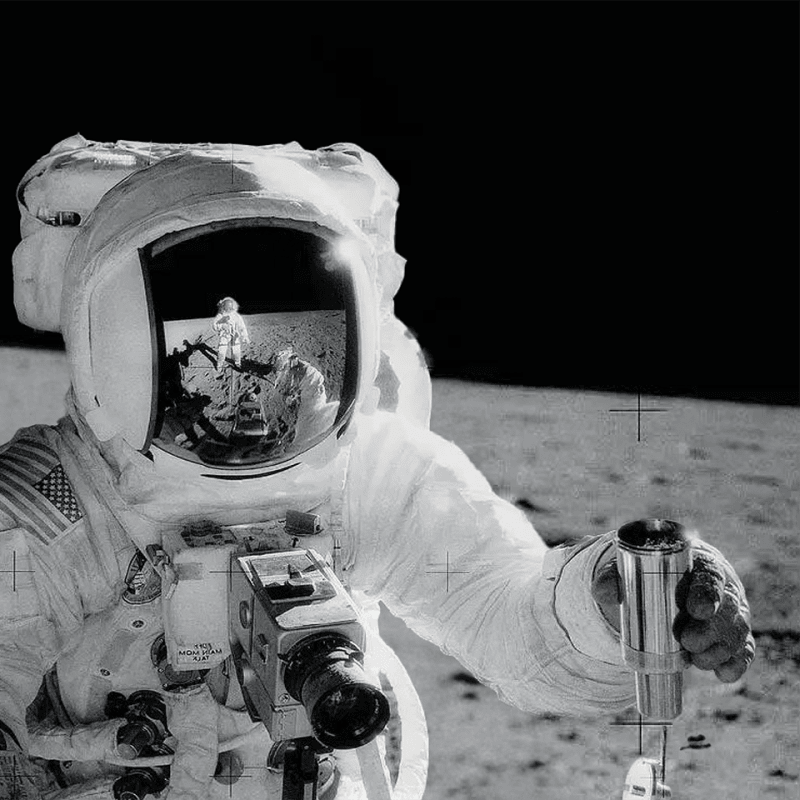
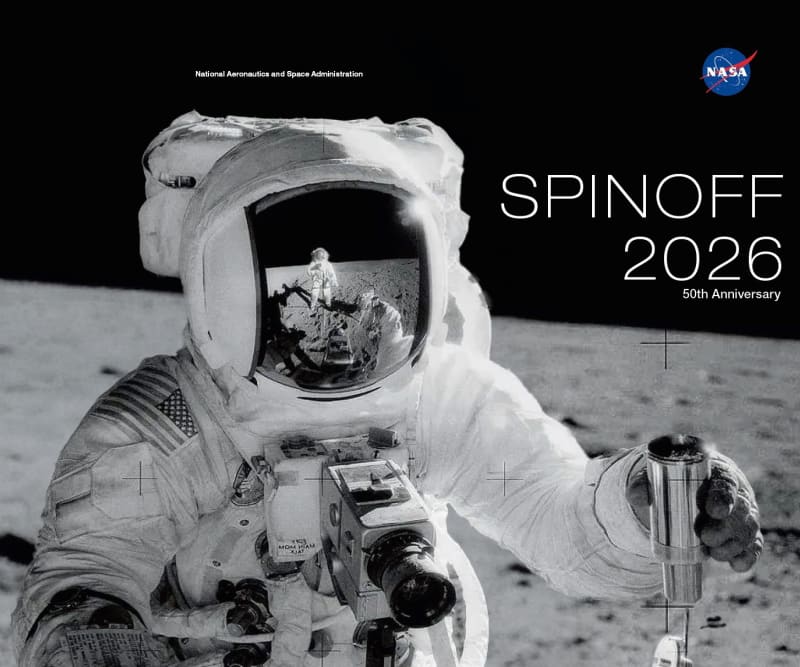
NASA just released the 50th edition of Spinoff, a publication documenting how space technology improves everyday life on Earth. The timing couldn't be better as the agency develops new innovations for returning humans to the Moon and eventually reaching Mars.
"NASA's work has always delivered returns well beyond the mission itself," said NASA Administrator Jared Isaacman. The technologies created for deep space don't just stay in space.
Two companies featured in this year's edition developed 3D printing equipment originally designed to build habitats on the Moon. One is now manufacturing entire neighborhoods of affordable housing on Earth, while the other creates custom wall panels and building facades.
Robots designed to handle routine maintenance for lunar astronauts are already working here. One company's software powers robots cleaning bathrooms and constructing homes, while another built a humanoid robot handling warehouse and assembly line work.
The medical breakthroughs hit closest to home. Technology initially created to make life easier for astronauts on the International Space Station evolved into an implantable heart monitor. This device helps keep heart failure patients out of the hospital by catching problems early.
Companies are also improving personal locator beacons for search and rescue networks based on NASA's satellite communication technology. When someone goes missing in the wilderness, space tech helps bring them home safely.
The Ripple Effect
NASA's food safety procedures from the Apollo Moon missions now form the foundation for safety regulations governing food production globally. Every time you trust the food on your plate, you're benefiting from technology developed to keep astronauts healthy.
The agency isn't slowing down. This year's Spinoff includes 20 new technologies ready for commercialization, with information on how to license them. Entrepreneurs and companies can access any of the 1,300 inventions in NASA's Patent Portfolio.
Dan Lockney, Technology Transfer program executive, sees even more potential ahead. "Incredible feats on distant worlds require incredible innovation," he said, pointing to upcoming missions including a rotorcraft headed to Saturn's moon Titan.
The beauty of space exploration isn't just what we discover out there but what we bring back home.
More Images
Based on reporting by Google News - Science
This story was written by BrightWire based on verified news reports.
Spread the positivity!
Share this good news with someone who needs it