NASA Spots Giant Ocean Bloom From Space Off East Coast
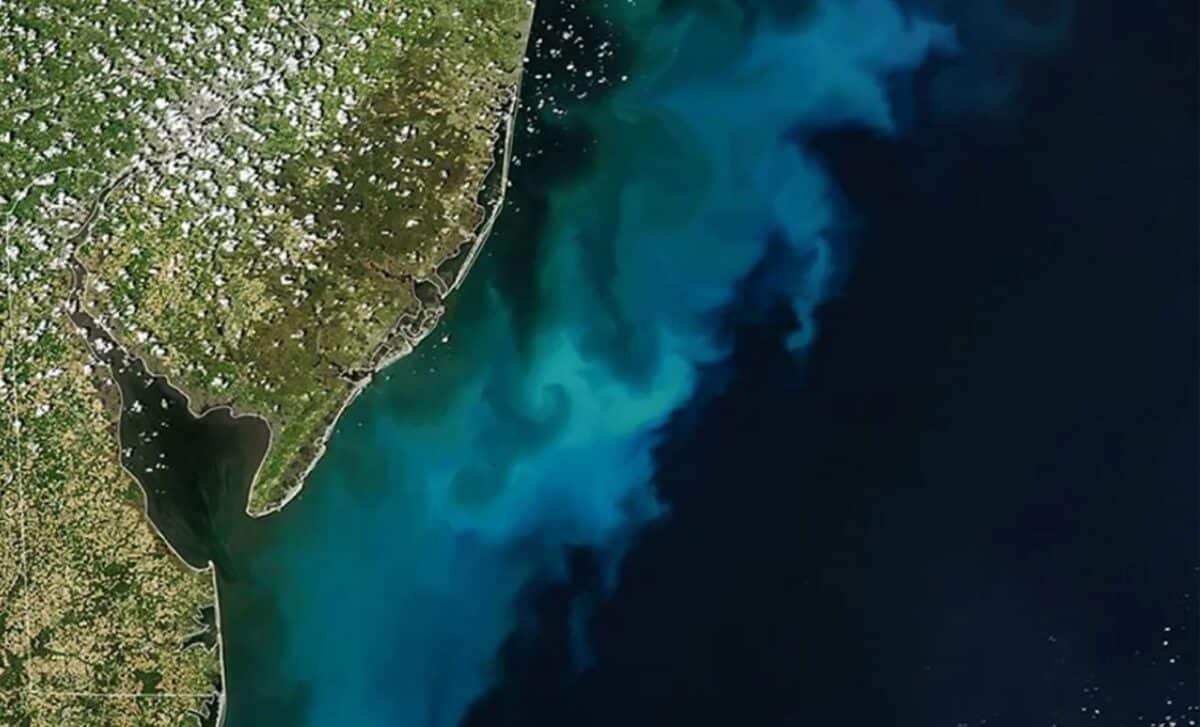
A massive swirl of blue-green phytoplankton stretching hundreds of kilometers along the U.S. East Coast is visible from space, and it's producing up to 40% of Earth's oxygen. NASA's satellites are tracking the beautiful phenomenon that feeds marine life and keeps our planet breathing.
Satellites orbiting Earth just captured a stunning natural light show: millions of microscopic organisms painting the Atlantic Ocean in swirls of blue, green, and turquoise visible from space.
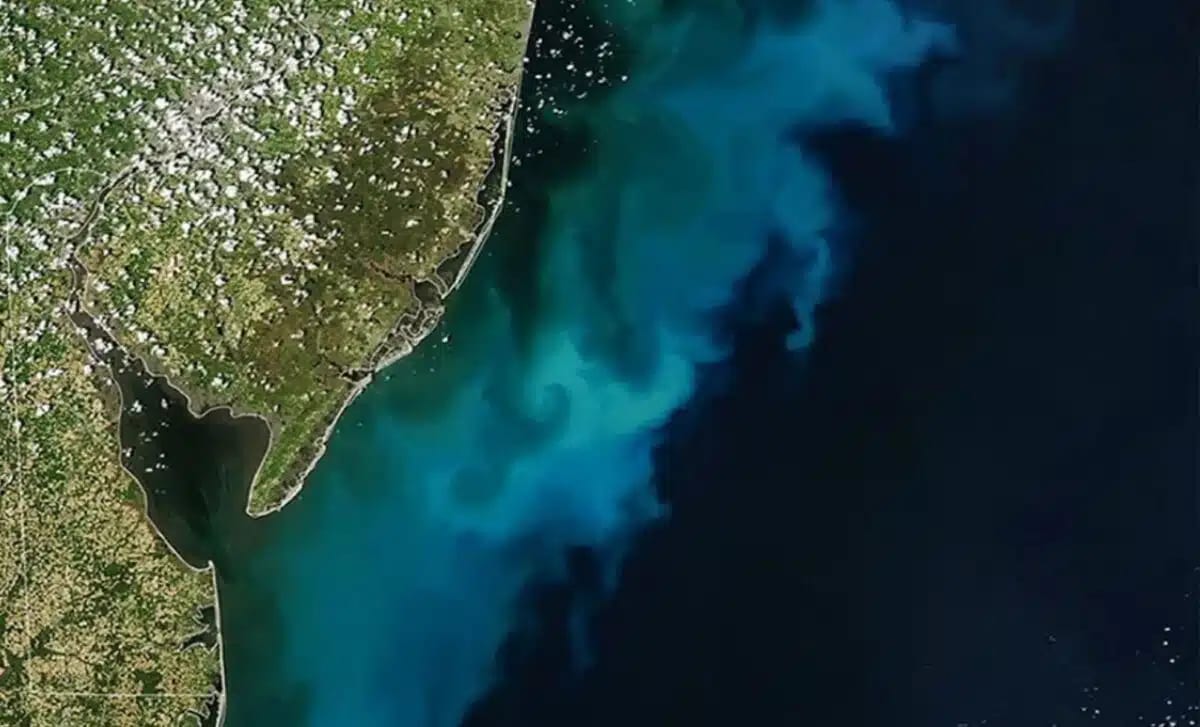
The massive bloom appeared in mid-April along the coastlines of New Jersey, Delaware, Maryland, and Virginia. NASA's satellites spotted the phenomenon stretching for hundreds of kilometers, creating ghostly patterns that shift and dance with ocean currents.
The colorful display comes from phytoplankton, microscopic marine organisms that pack together at incredible densities. Kyle Scotese from the International Society for Diatom Research explains that these tiny life forms can reach populations greater than 15 million cells per liter, creating blooms that span thousands of square kilometers.
Spring storms and river outflows stirred nutrients into shallow coastal waters, creating perfect conditions for the bloom. The phytoplankton responded by multiplying rapidly, their different species creating the various colors scientists can now identify from space.
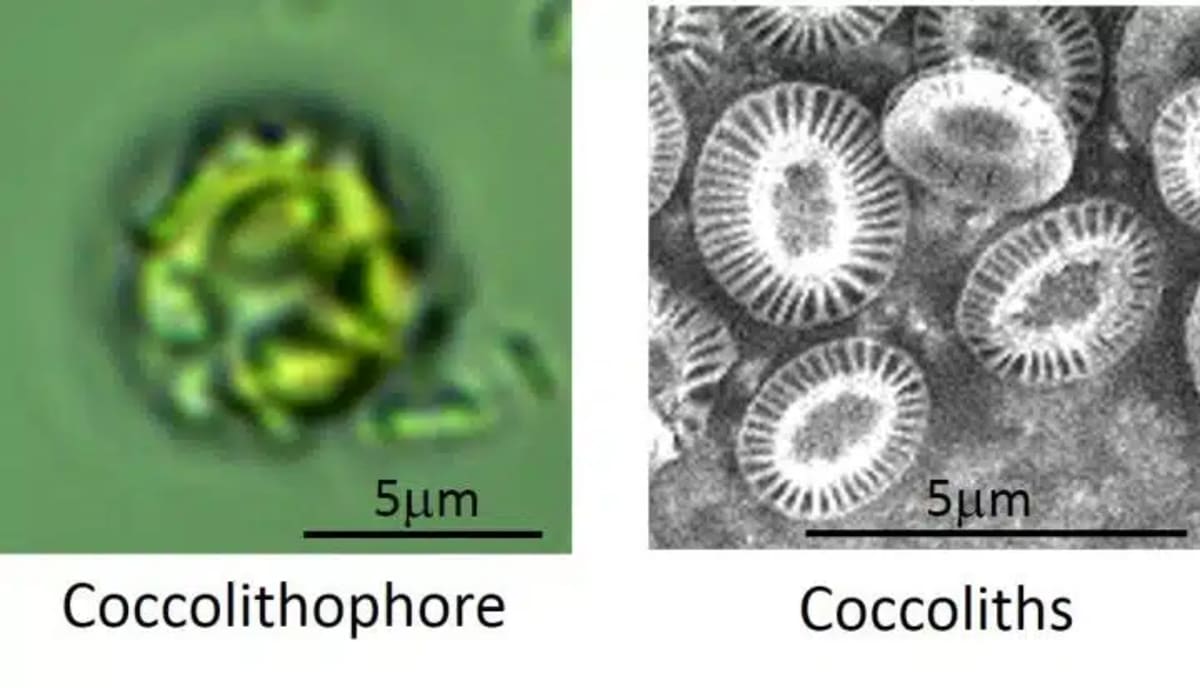
NASA's new PACE satellite can actually determine which types of phytoplankton dominate the bloom by analyzing how they reflect light. Early spring blooms typically feature diatoms, though scientists also spotted signs of coccolithophores, which give the water a chalky turquoise glow thanks to their calcium carbonate shells.
The Bright Side
These microscopic organisms are unsung heroes of our planet. Phytoplankton produce an estimated 20 to 40 percent of Earth's oxygen, meaning every breath you take likely contains molecules created by these tiny marine plants.
They also form the foundation of ocean food webs, feeding everything from tiny zooplankton to massive whales. Without these blooms, marine ecosystems would collapse, taking much of the ocean's biodiversity with them.
The bloom shows no signs of toxicity, and scientists expect it to naturally decline in the coming weeks unless new storms replenish the nutrients. Oscar Schofield, an oceanographer at Rutgers University, notes that these blooms can appear and disappear within days or return seasonally for decades.
NASA researcher Anna Windle says the ability to track these events from space gives scientists unprecedented insight into ocean health and the ecological role of phytoplankton worldwide. The technology helps monitor not just beautiful natural phenomena, but the living systems that keep our planet habitable.
This spring bloom reminds us that beneath the ocean's surface, billions of invisible workers are quietly producing the oxygen that fills our lungs and supporting the food chains that feed the world.
More Images


Based on reporting by Google News - Science
This story was written by BrightWire based on verified news reports.
Spread the positivity!
Share this good news with someone who needs it