NASA Stacks Rocket for 2027 Moon Mission Practice Run
NASA just started building the rocket that will help perfect the technology needed to land astronauts on the moon in 2028. The first piece of the massive Artemis III rocket arrived at Kennedy Space Center this week, kicking off assembly for a crucial practice mission. #
NASA just moved one giant step closer to putting boots back on the moon.
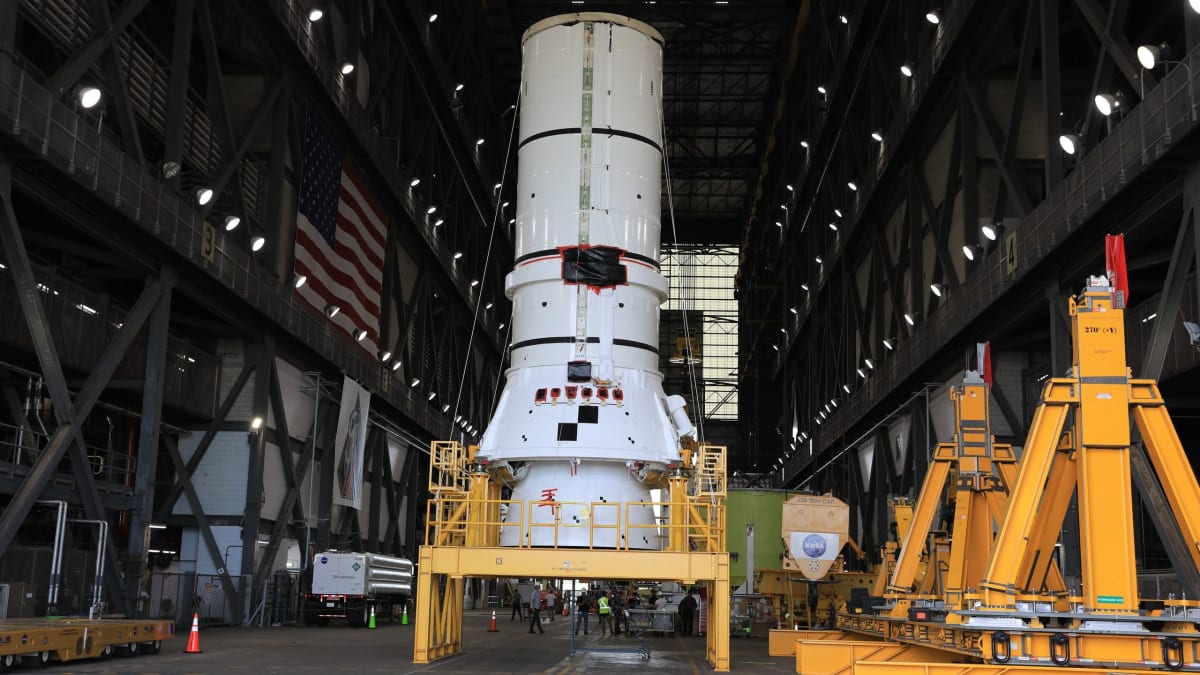
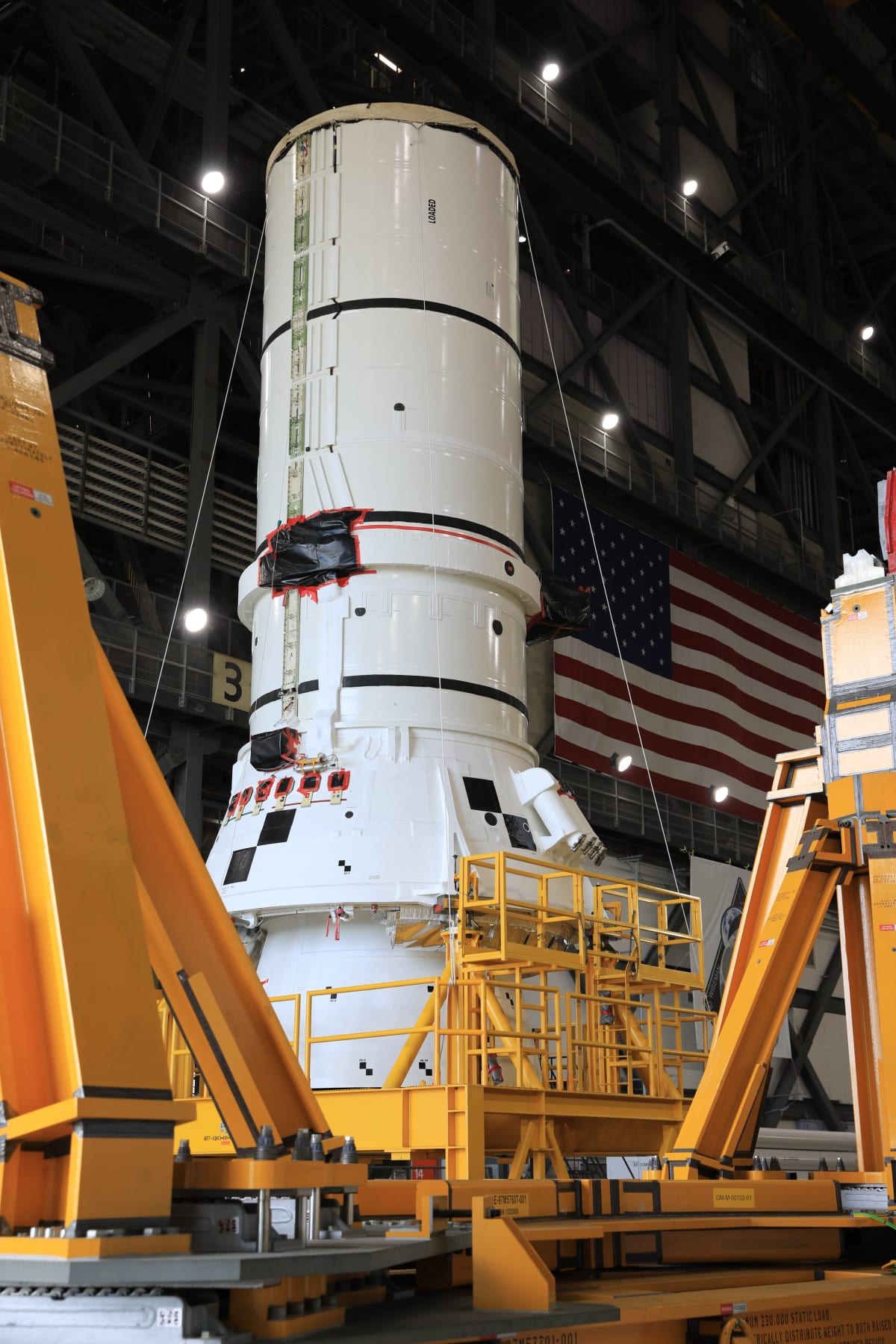
The first segment of a massive rocket booster arrived at Kennedy Space Center in Florida this week, marking the start of assembly for Artemis III. This mission will launch four astronauts in 2027 to practice the tricky maneuvers needed for humanity's first lunar landing in over 50 years.
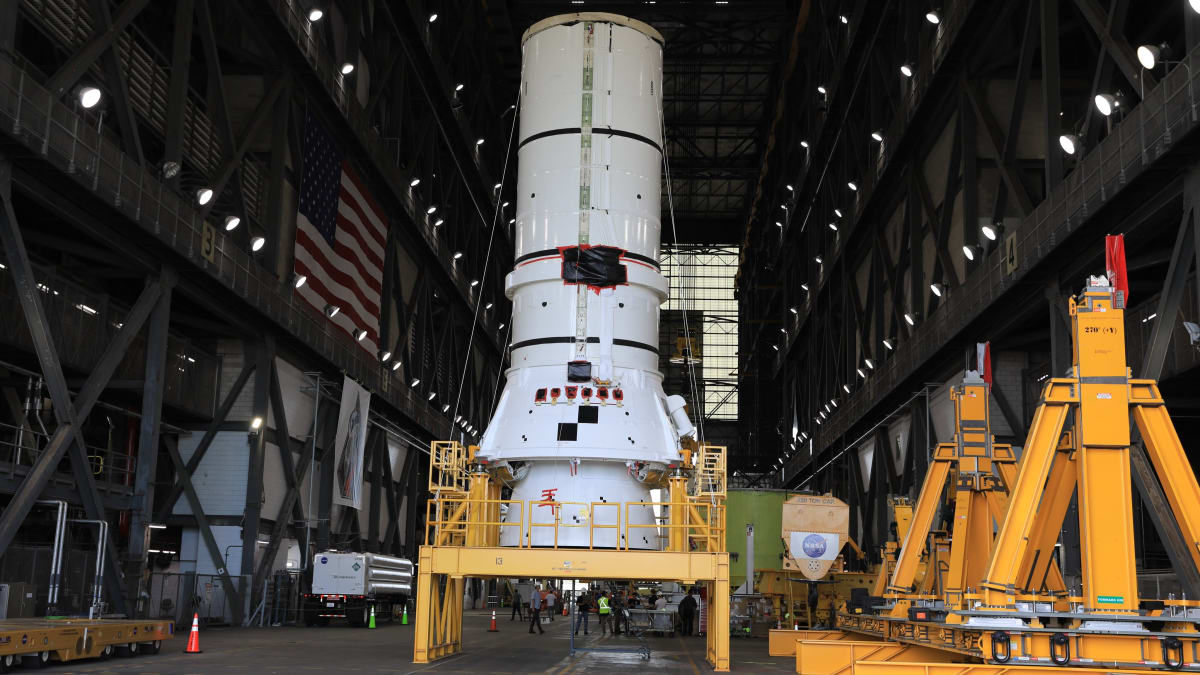
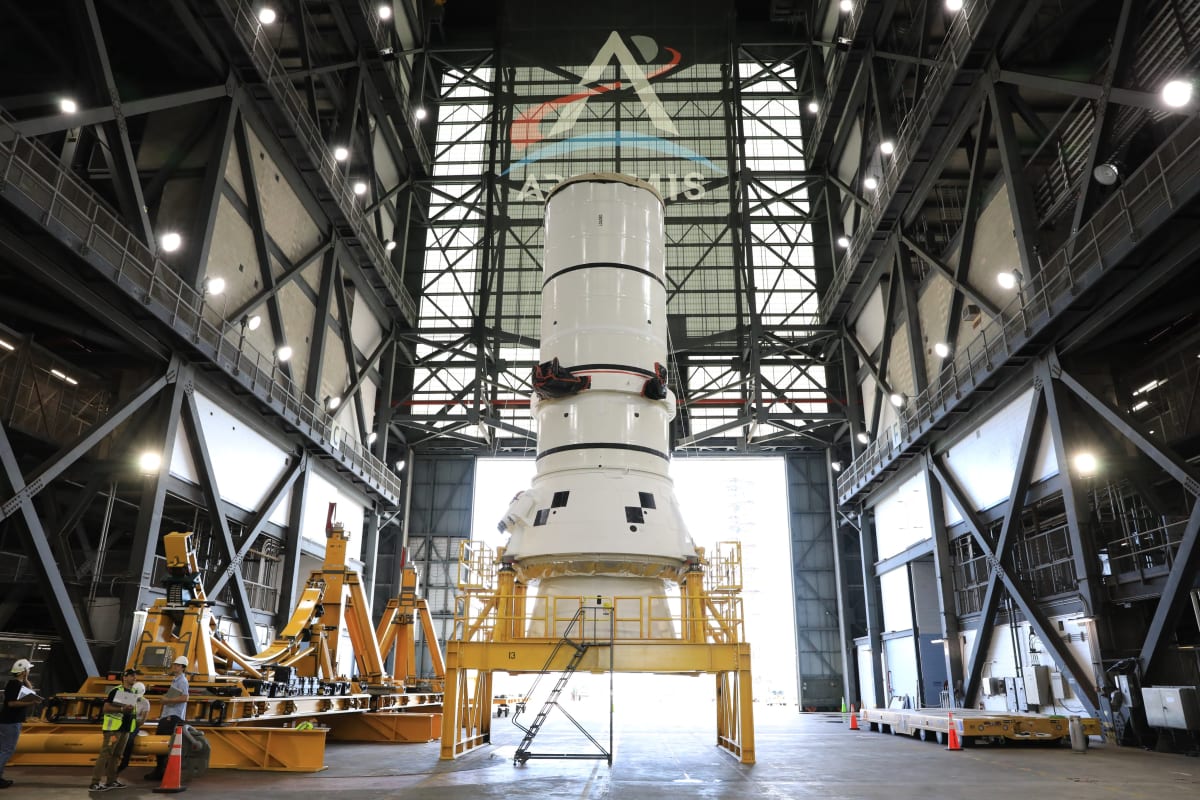
The bottom section of the left solid rocket booster rolled into the Vehicle Assembly Building, ready to be attached to NASA's Space Launch System. These twin boosters pack serious punch. Together they generate 7.2 million pounds of thrust, providing more than 75% of the rocket's liftoff power.
But here's what makes Artemis III special. Unlike the moon flyby mission that returned in April, this crew won't leave Earth's orbit. Instead, they'll spend two weeks in space testing the moon landers being built by SpaceX and Blue Origin.
The astronauts will dock with both vehicles, enter Blue Moon's crew cabin, and even try on parts of the new lunar spacesuits. It's like a dress rehearsal in space, making sure everything works perfectly before the real show.
The core stage of the rocket already sits waiting in the assembly building. Once engineers attach the engine section and complete safety tests, they'll stack the remaining pieces throughout the year. The whole process takes about 12 months, giving NASA just enough time to hit their mid-2027 launch window.
Each solid rocket booster stands 177 feet tall and weighs 1.6 million pounds when loaded with fuel. Once these monsters ignite, they can't be shut off. The rocket's four main engines wouldn't be powerful enough to lift off without them.
Why This Inspires
This methodical approach shows NASA learned from decades of spaceflight. Rather than rushing straight to the moon, they're taking time to test every system, every procedure, every piece of equipment in the relative safety of Earth orbit.
The two private landers represent something new too. By partnering with SpaceX and Blue Origin, NASA is building a sustainable way to explore the moon with multiple vehicles and backup options. It's not just about one mission anymore.
If everything goes according to plan, astronauts will walk on the moon again during Artemis IV in late 2028. But this practice run in 2027 is what will make that historic moment possible, proving that careful preparation paves the way for giant leaps.
#
More Images
Based on reporting by Space.com
This story was written by BrightWire based on verified news reports.
Spread the positivity!
Share this good news with someone who needs it