NASA Students Test Moon Base Water Recycling System
Graduate students in North Dakota are testing a mobile wastewater treatment system that could turn astronaut waste into plant food and clean water on the Moon. The technology brings NASA one step closer to building sustainable lunar bases.
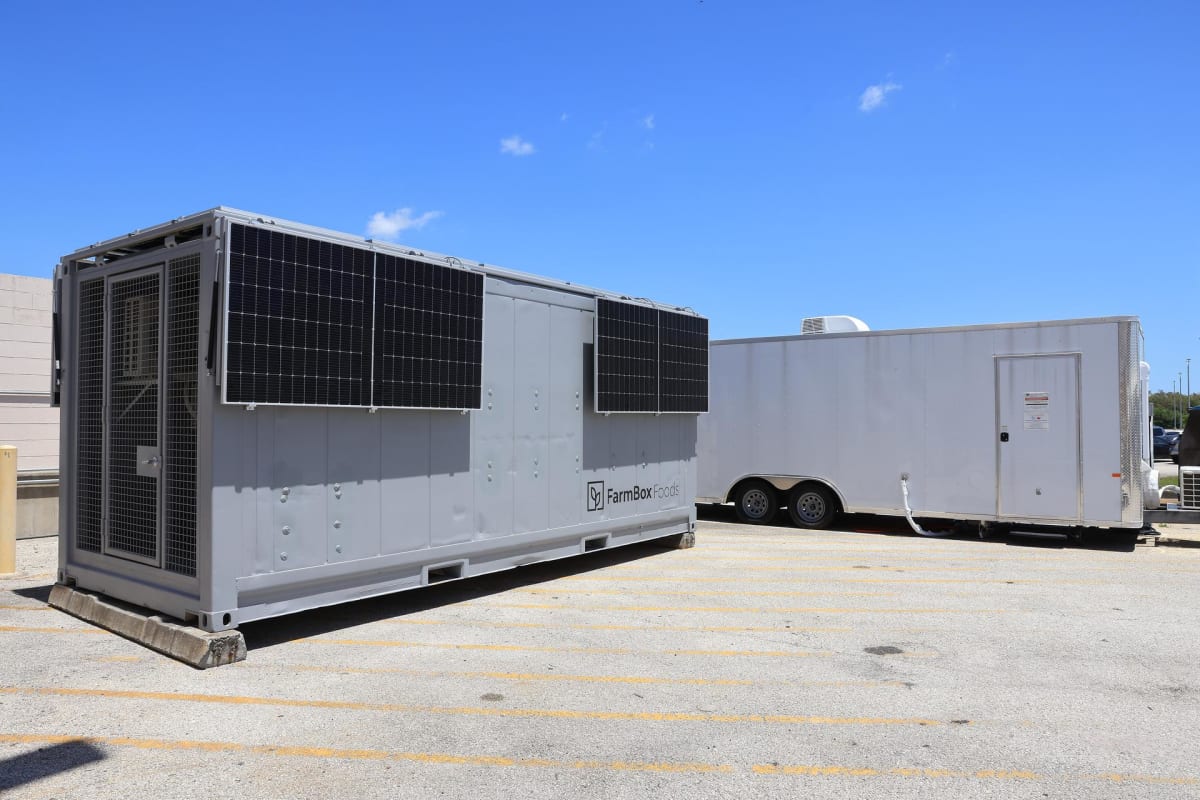
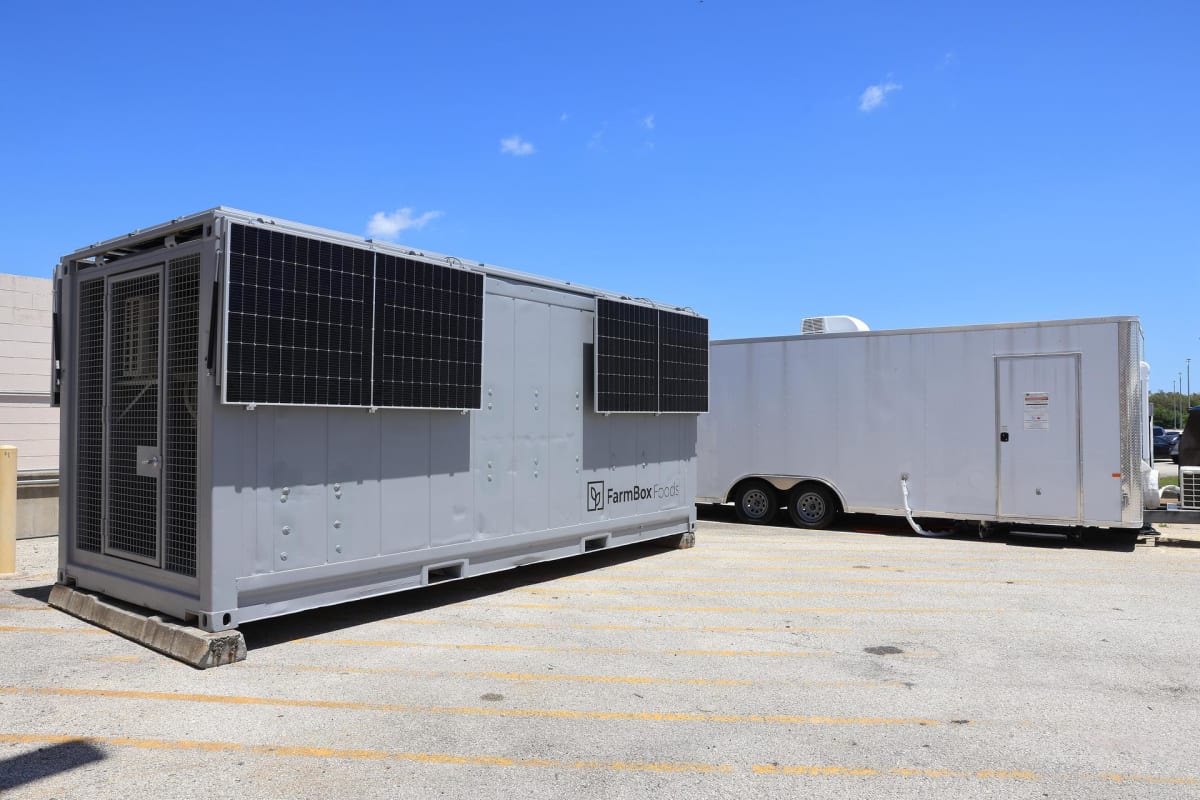
A trailer-sized laboratory just arrived at the University of North Dakota that could solve one of space exploration's biggest challenges: keeping astronauts alive on the Moon without constant supply ships from Earth.
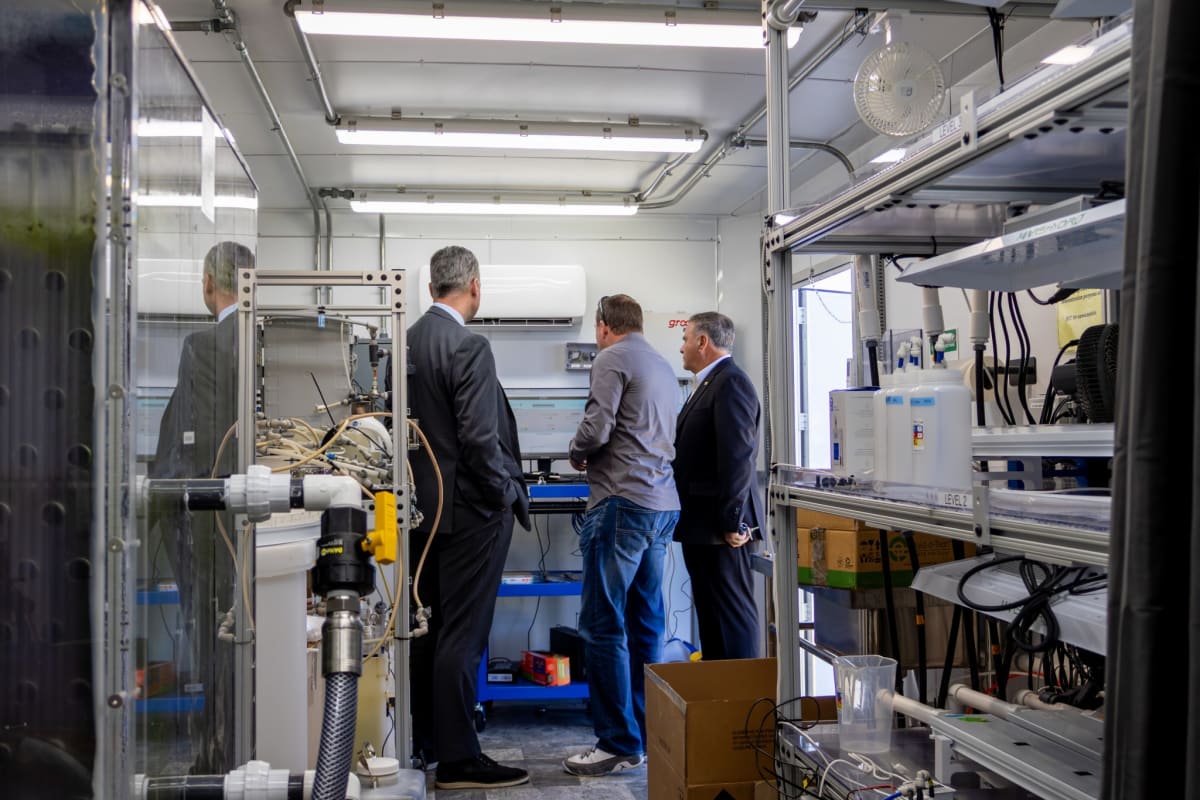
NASA's Divergent Deployable Wastewater Treatment Facility is now being tested by graduate students who will simulate running a lunar base. The system is designed to transform everything from urine to food scraps into resources future Moon residents can actually use.
The 8.5-by-24-foot mobile facility takes a completely different approach than wastewater systems on Earth. Instead of mixing everything together, it keeps waste streams separate because small crews of four to eight people produce highly concentrated waste that needs specialized handling.
Three different biological reactors tackle different jobs. One converts solid waste into nutrients for plants. Another processes urine and toilet flush water. The third cleans water from showers and laundry. Together, they prepare water for reuse and create fertilizer solutions for growing crops.
Inside the facility's vertical garden, plants grow without soil using nutrients extracted from the treated wastewater. Researchers will compare how well these crops perform against plants fed with standard fertilizers to see if lunar farming is truly possible.
The system connects to a simulated Moon habitat through a special toilet that separates waste at the source. Student operators will run the facility under conditions mimicking the harsh realities of another planet, including limited power and no backup supplies.
Luke Roberson, who leads surface water systems at NASA Kennedy, explains the stakes. "Habitats will need to operate far from the steady resupply chain that supports astronauts in low Earth orbit," he said. The Moon base will need to be self-sufficient.
The Ripple Effect
This testing campaign represents a major step toward NASA's Artemis program goal of establishing a permanent human presence on the Moon. The lessons learned could directly shape the design of future Mars missions, where resupply from Earth would take months instead of days.
The technology falls under NASA's Bioregenerative Life Support Systems program, which aims to create closed-loop systems that recycle nearly everything. Instead of hauling tons of water and supplies to space at enormous cost, future astronauts could grow their own food using nutrients recovered from yesterday's waste.
Ali Alshami's team is developing advanced membrane technology to improve the system even further, boosting water recovery rates and removing more contaminants. If successful, these compact systems could eventually be tested in NASA's yearlong simulated Mars missions in Houston.
The work proves that sustainable living on other worlds isn't science fiction anymore. With students already learning to operate lunar life support systems today, the dream of Moon bases is becoming wonderfully practical.
More Images
Based on reporting by Google News - Science
This story was written by BrightWire based on verified news reports.
Spread the positivity!
Share this good news with someone who needs it