NASA Studies Artemis II Crew Health After Moon Mission
The four astronauts who circled the Moon in April are helping scientists understand how quickly humans can work after landing on other worlds. Their health data could shape the future of living and working on the Moon and Mars.
Two months after splashing down from humanity's farthest journey in over 50 years, the Artemis II crew is still making history from the ground.
NASA astronauts Reid Wiseman, Victor Glover, Christina Koch, and Canadian astronaut Jeremy Hansen completed their record-setting trip around the Moon on April 10. Since then, researchers have been studying how their bodies bounced back from deep space travel.
Within 24 hours of landing, the crew ran obstacle courses and completed medical tests. They practiced tasks that future Moon explorers will need to do right after touchdown, like climbing rope ladders and standing up quickly. The goal was to see how fast the human body adapts when gravity kicks back in.
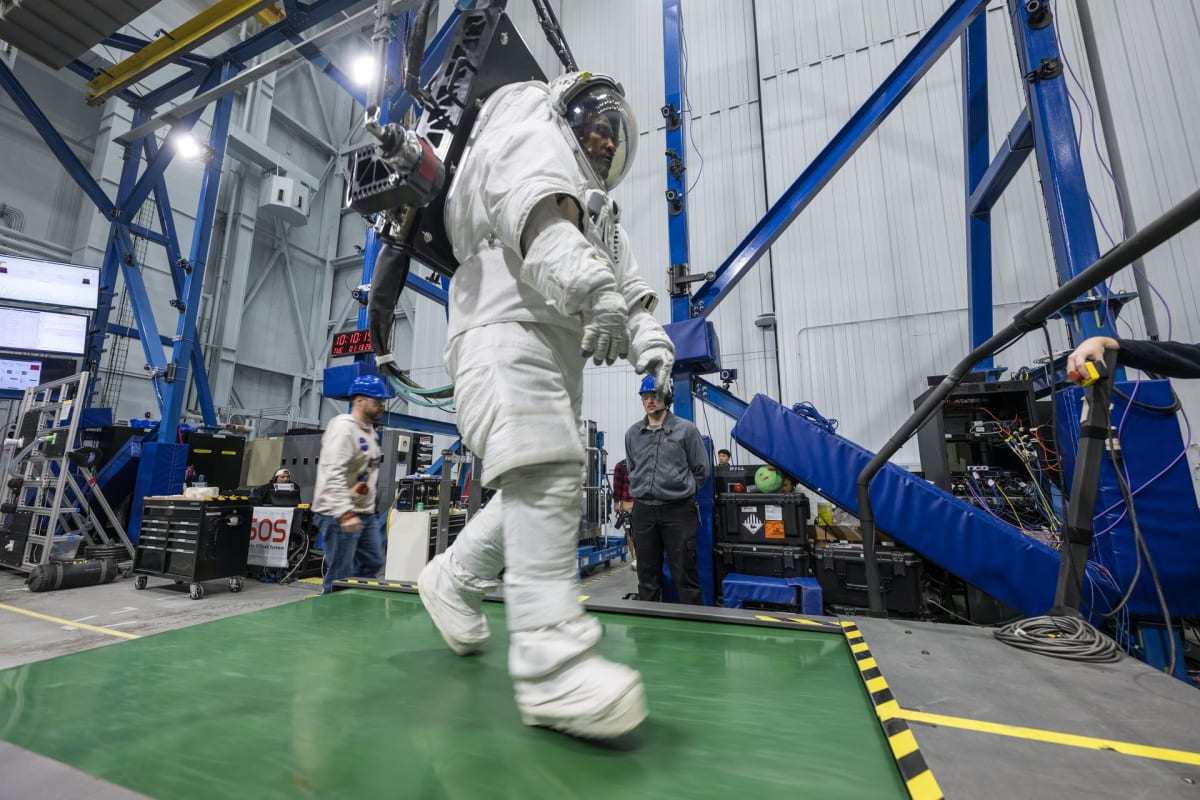
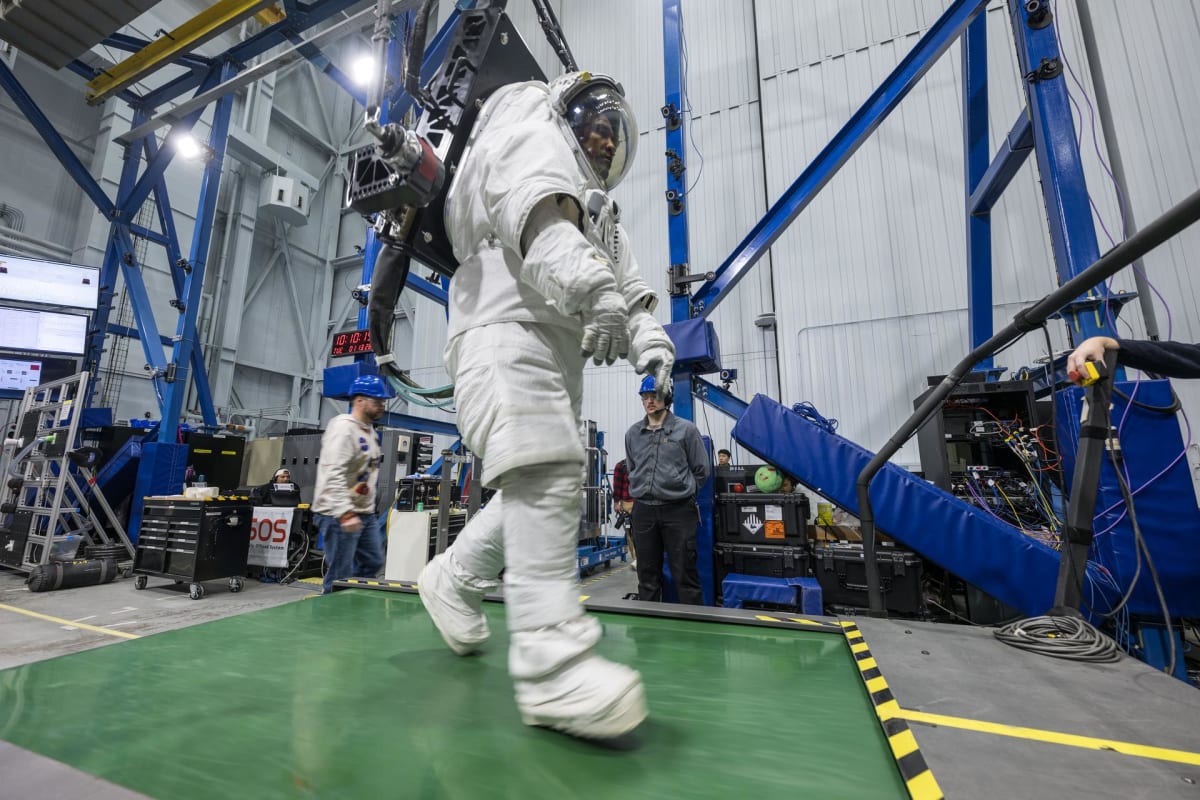
Days later at NASA's Johnson Space Center in Houston, the astronauts suited up and repeated the same tasks while harnessed to simulate lunar gravity. Walking on the Moon means dealing with just one-sixth of Earth's pull. Understanding how crew members perform in this environment helps NASA plan for real lunar surface missions.
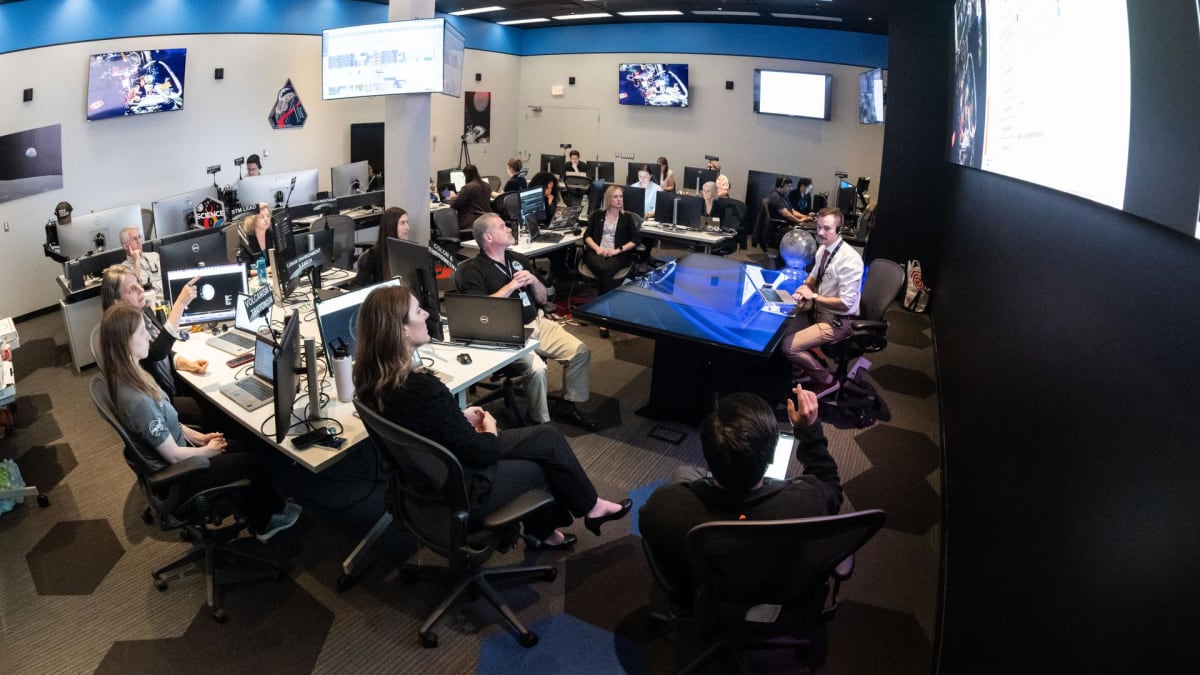
Scientists are also studying the crew's blood and saliva samples to track immune system changes. Some dormant viruses wake up in astronauts during spaceflight, and researchers want to know why. Cognition tests and spacecraft docking simulations revealed how space hazards affected their thinking and motor skills.
Perhaps the most innovative research involves tiny organ chips that flew to the Moon inside the Orion spacecraft. These chips contained bone marrow cells from each astronaut. Scientists in Boston are now comparing the space-flown chips to Earth-based controls using advanced genetic sequencing.
The organ chip study could revolutionize space medicine. Future missions might send an astronaut's personalized chips ahead to test treatments before the crew even launches. Imagine doctors creating custom medical kits based on how your own cells react to space.
The Ripple Effect
The data collected from these four explorers will guide every human who follows them to the Moon. NASA plans to establish a permanent lunar base where astronauts live and work for extended periods. Understanding how quickly people recover from space travel determines how soon they can start building habitats, conducting research, and exploring.
The lessons learned also apply to Mars missions planned for the 2030s. Astronauts landing on the Red Planet won't have ground support waiting to help them out of the spacecraft. They'll need to hit the ground running, literally.
All the anonymized health data will eventually be available to scientists worldwide through NASA's Life Sciences Data Archive. Researchers everywhere can use these findings to develop new technologies and predict how future crews will adapt.
The Artemis II crew's final data collection wrapped up 45 days after splashdown, but NASA will monitor their health for life. Their journey around the Moon lasted just 10 days, but the scientific discoveries from their mission are only beginning.
More Images
Based on reporting by NASA
This story was written by BrightWire based on verified news reports.
Spread the positivity!
Share this good news with someone who needs it