NASA Telescope Could Detect Life on Distant Planets
NASA's upcoming Habitable Worlds Observatory will hunt for life beyond Earth by analyzing light from distant planets. Scientists just figured out exactly how powerful its vision needs to be.
Scientists have cracked the code on what it takes to spot alien life from billions of miles away.
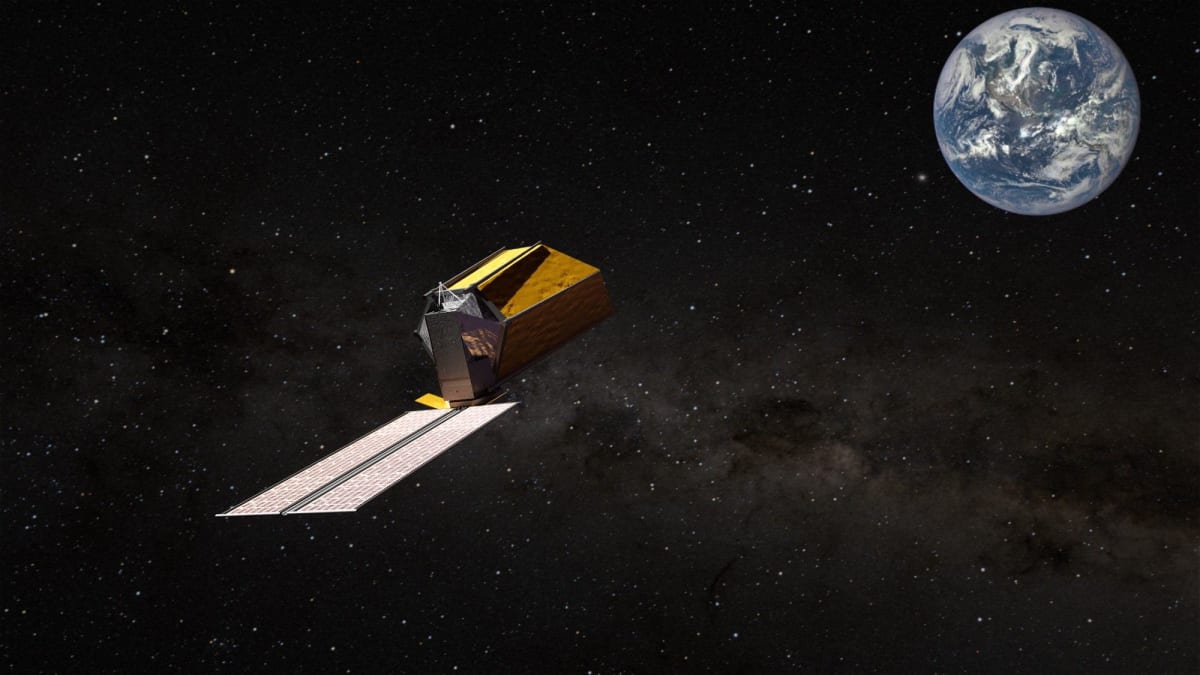
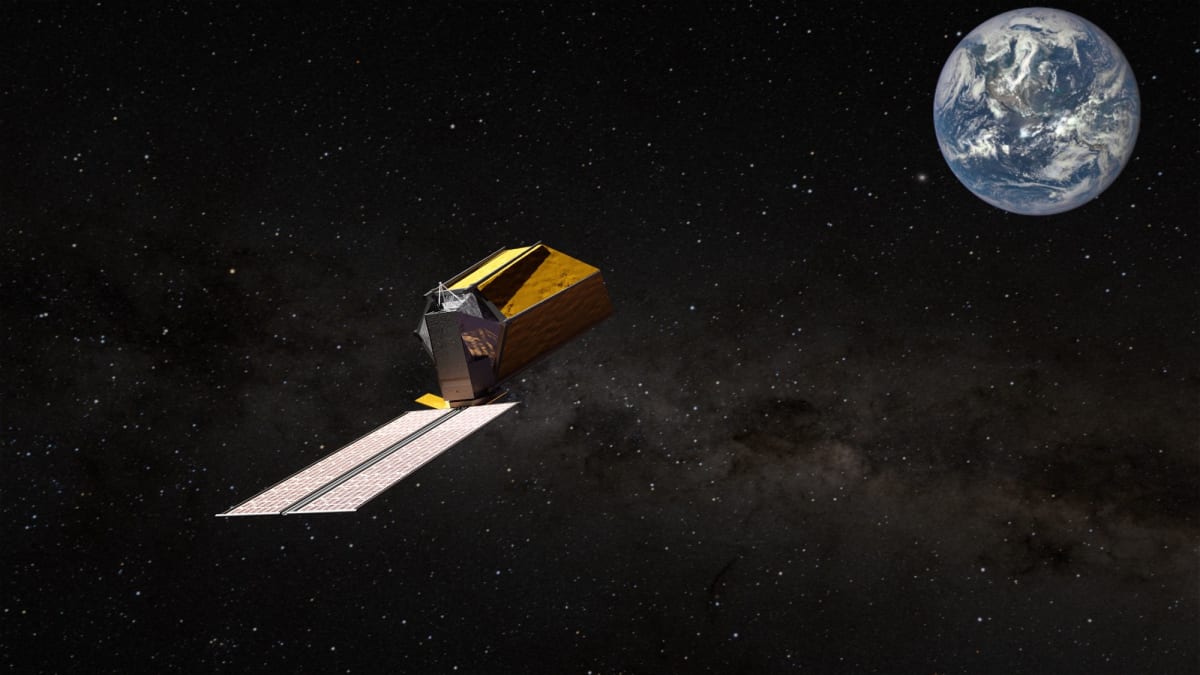
NASA's Habitable Worlds Observatory, a space telescope still in development, will become humanity's first instrument capable of directly imaging Earth-like planets around other stars. The mission aims to analyze light bouncing off these distant worlds to detect signs of life in their atmospheres.
But here's the challenge: build the telescope too sensitive and it becomes impossibly expensive and slow. Make it too simple and it can't tell the difference between a living world and a dead one.
A new study tackled this goldilocks problem head-on. Researchers modeled what the telescope would see if it looked at Earth throughout our planet's 4.5 billion year history, from the oxygen-free Archean period to today's life-rich atmosphere.
The results surprised even the scientists. To detect oxygen, the gold standard signature of life as we know it, the telescope needs a visible light resolving power of just 140. That's well within what current technology can deliver.
Ozone detection requires even less power at just 7 in ultraviolet light. The trickiest measurement involves separating carbon dioxide from carbon monoxide in infrared light, which needs a resolving power of at least 40 to avoid mistaking a volcanic dead planet for a living one.
The team ran thousands of simulated observations across different telescope sensitivities, from 20 to 5,000. They factored in detector noise, exposure times, and even anti-biosignatures that would argue against life's presence.
Why This Inspires
This research transforms a philosophical question into an engineering blueprint. Instead of wondering whether we can find life beyond Earth, scientists now have concrete specifications for the telescope that could actually do it.
The numbers prove we don't need to wait for some far-future technology breakthrough. The tools to search for alien life are within our grasp right now, using instruments we already know how to build.
Even more inspiring is what this means for the search itself. Earth's atmosphere has looked wildly different through geological time, from oxygen-free to oxygen-rich. The Habitable Worlds Observatory will be able to recognize life even if it looks nothing like what surrounds us today.
The telescope won't declare definitive proof of alien life on its own. Instead, it will identify the most promising candidates worth deeper investigation, narrowing down which of the billions of planets out there deserve our closest attention.
Engineers now have their marching orders: build a telescope with resolving power of 140 in visible light, 7 in ultraviolet, and 70 in near-infrared, with detectors sensitive enough to make oxygen detection routine.
The universe's biggest question just got a practical answer sheet, and humanity is ready to start filling it in.
More Images

Based on reporting by Space.com
This story was written by BrightWire based on verified news reports.
Spread the positivity!
Share this good news with someone who needs it