NASA Telescope Maps 6,000 New Worlds Across the Sky
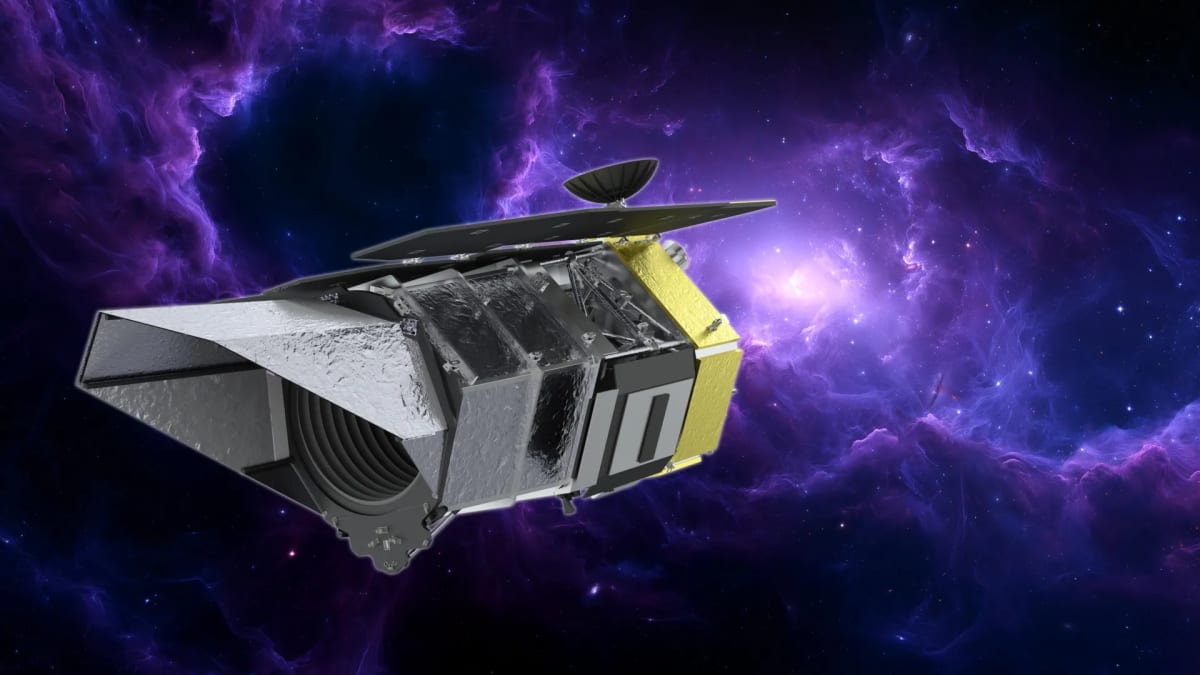
NASA's TESS satellite has created the most complete map of planets beyond our solar system, revealing nearly 6,000 new worlds in just eight years. Some of these distant planets sit in zones where liquid water and life might exist.
After eight years of scanning the heavens, NASA's planet-hunting telescope has delivered a stunning portrait of our cosmic neighborhood filled with thousands of worlds we never knew existed.
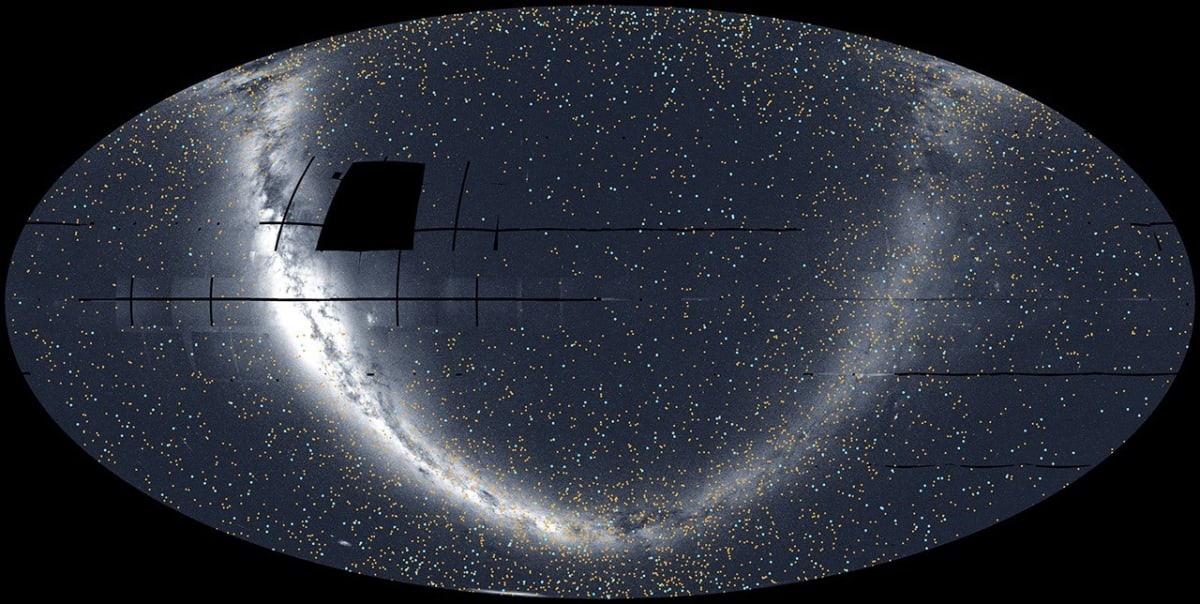
The TESS satellite has mapped nearly 6,000 planets beyond our solar system, painting them as colorful dots across a complete view of the night sky. The mission confirmed 679 new planets and identified over 5,000 more candidates waiting to be verified.
"TESS has become a fire hose of exoplanet science," said Rebekah Hounsell, a project scientist at NASA's Goddard Space Flight Center. The telescope has found everything from tiny Mercury-sized worlds to giants larger than Jupiter.
The satellite works by staring at sections of the sky for about a month at a time, watching for tiny dips in starlight that reveal orbiting planets. Between April 2018 and September 2025, TESS observed 96 different sectors to create this comprehensive sky map.
Some discoveries sound like science fiction made real. The collection includes planets covered in volcanoes, worlds being slowly destroyed by their stars, and planets orbiting two suns where inhabitants would see double sunrises and sunsets every day.
The most exciting finds sit in the habitable zone, the sweet spot where temperatures allow liquid water to exist on a planet's surface. Water remains one of the key ingredients scientists look for when searching for life beyond Earth.
Why This Inspires
This cosmic treasure map proves we're living in the golden age of planet discovery. Just three decades ago, scientists weren't sure planets existed around other stars at all.
Now we've confirmed over 6,270 exoplanets using TESS, the retired Kepler Space Telescope, and other facilities. Each new world expands our understanding of how planets form and where life might take root.
Even better, anyone can join the search. The Planet Hunters TESS citizen science project teaches everyday people how to read star data and spot planets themselves. Volunteers have already discovered worlds that automated systems missed.
As TESS continues filling in blank spots on its sky map, scientists expect more surprises waiting in the data. The telescope has already helped track asteroids near Earth, study rivers of young stars, and observe distant galaxies while hunting for planets.
Every new dot on this cosmic map represents a world with its own story, expanding the possibilities of what's out there in the universe we call home.
More Images

Based on reporting by Google News - Science
This story was written by BrightWire based on verified news reports.
Spread the positivity!
Share this good news with someone who needs it