NASA Tests Rocket Explosions to Make Space Flight Safer
NASA engineers are intentionally blowing up rocket fuel in the Florida desert to collect critical safety data for the next generation of spacecraft. The results will help protect communities and workers as commercial space travel expands.
NASA engineers are detonating thousands of pounds of rocket fuel in controlled explosions to make space travel safer for everyone.
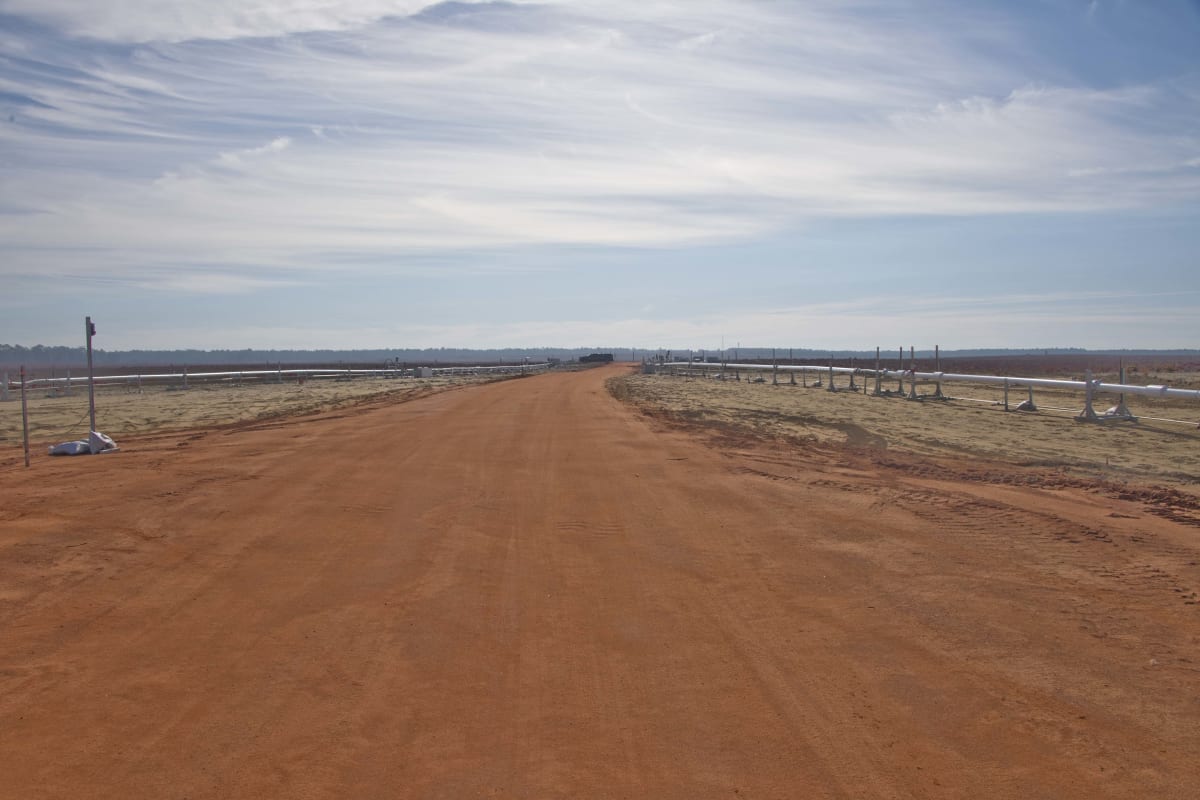
At a remote test site in Florida's Eglin Air Force Base, teams are conducting a groundbreaking series of tests to understand exactly what happens when liquid oxygen and methane fuel tanks fail. The work comes as commercial space companies increasingly turn to this fuel combination for their next generation rockets and spacecraft.
"We put fuel in a rocket, blow it up in a remote location, and measure how big the boom is," said Jason Hopper, deputy project manager for NASA's liquid oxygen methane assessment at Stennis Space Center. Behind his straightforward description lies complex work that only happens once every few decades.
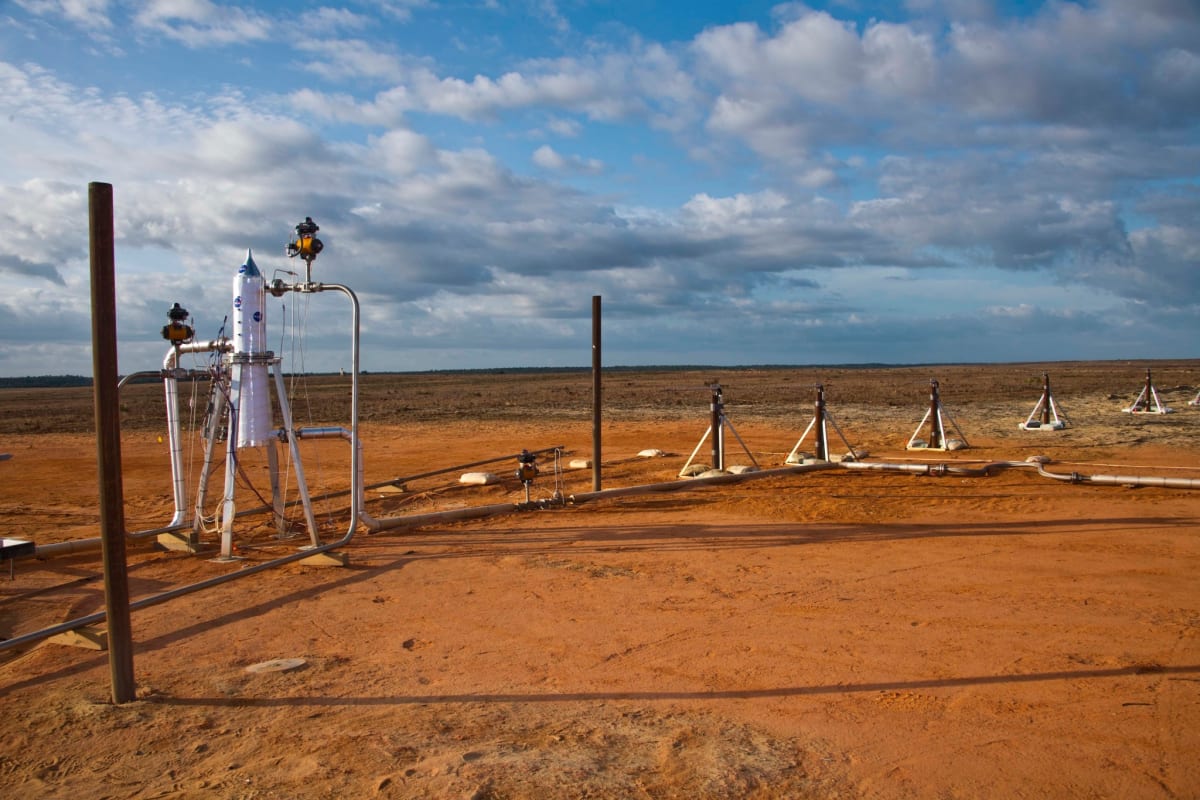
The tests evaluate explosion hazards at three different scales, from 100 pounds of propellant all the way up to 20,000 pounds. Engineers intentionally rupture the barrier separating the two fuels to simulate catastrophic failure scenarios, then measure everything from blast wave intensity to how far fragments travel.
High-speed cameras capture thermal data while instruments scattered across the test field record precise measurements. The team brings together rare expertise in cryogenic systems, test operations, and logistics in ways seldom combined outside actual launch operations.
NASA transformed a bare concrete pad into a fully operational test site in just four months, working through a government furlough to meet deadlines. The entire operation runs on civil servant expertise, with decades of experience handling dangerous cryogenic materials.
The Ripple Effect
This research serves a much bigger mission than rocket science. The data will help the Federal Aviation Administration, United States Space Force, and NASA develop safety protocols that protect launch site workers and nearby communities.
As commercial space launches multiply and fuel tanks grow to hold millions of pounds of propellant, understanding the precise safety profile becomes crucial. "This will contribute to public safety, site safety, and all the risk involved with the work," Hopper said.
The collaboration between NASA Stennis engineers and Eglin Air Force Base personnel demonstrates how different agencies pool expertise for public benefit. "NASA has a proven ability to safely execute high-risk testing," said Joe Schuyler, director of Stennis's Engineering and Test Directorate.
The final test series builds a knowledge foundation that government and industry can use with confidence as space exploration accelerates.
When the booms fade and the data is analyzed, families living near launch sites and workers on the ground will be safer because NASA asked the hard questions and lit the fuses to find answers.
More Images



Based on reporting by NASA
This story was written by BrightWire based on verified news reports.
Spread the positivity!
Share this good news with someone who needs it