NASA Tests Space Gas Station Tech for Deep Missions
NASA just tested a breakthrough device that could let spacecraft refuel in orbit before heading to distant worlds. The "cryocoupler" works like an automated gas pump nozzle for space, opening doors to missions we've never attempted before.
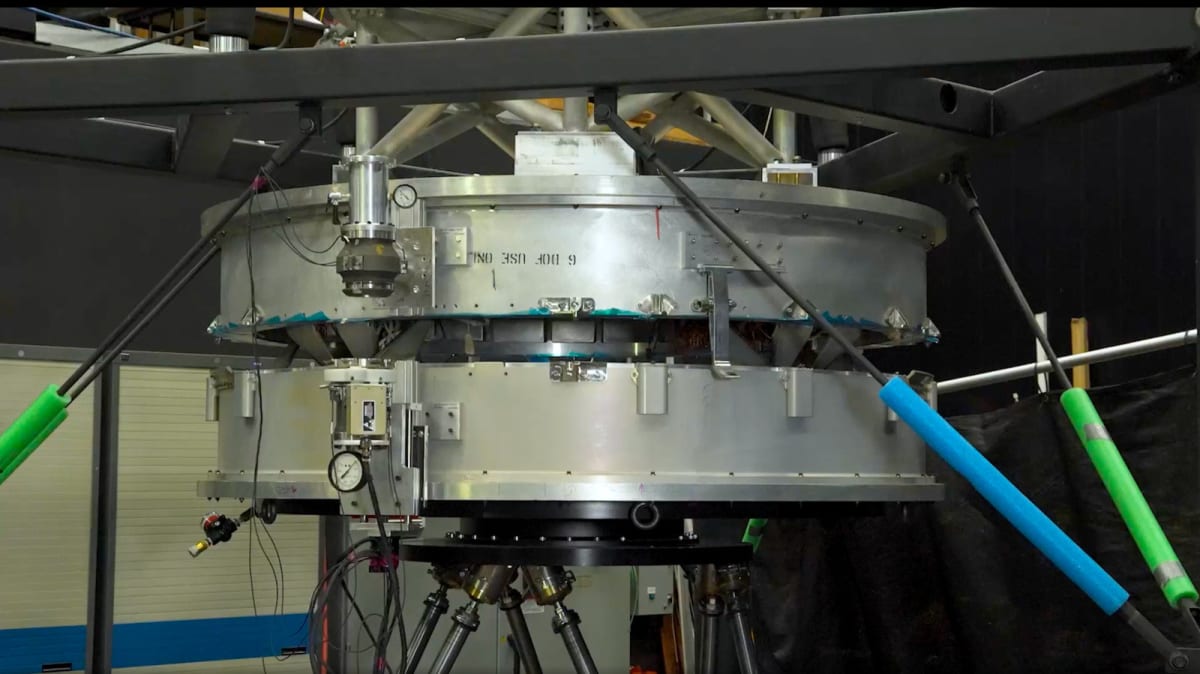
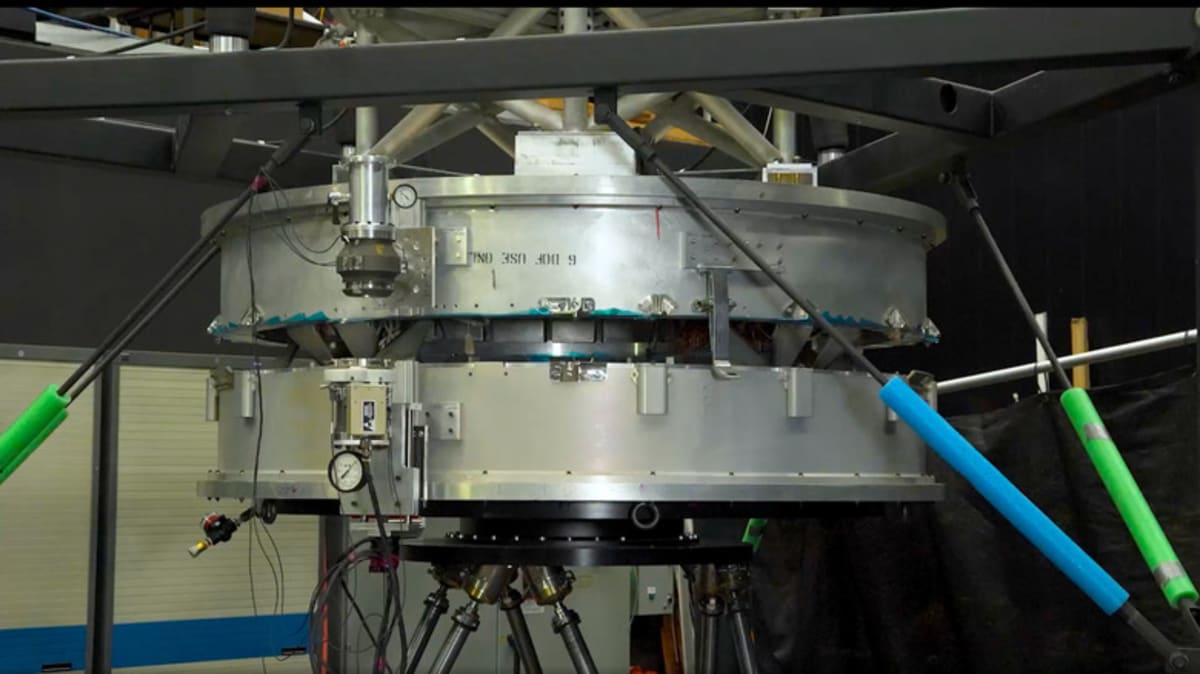
Imagine a future where spacecraft stop at orbiting gas stations before journeying to Mars and beyond. NASA just brought that vision closer to reality by successfully testing a device called a cryocoupler, developed by tech company L3Harris.
Think of it as a space-age gas pump nozzle that lets spacecraft fuel up in orbit. The device connects vehicles to orbiting fuel depots, allowing them to top off their tanks before heading into deep space.
"In-orbit cryogenic refueling between two spacecraft has yet to be done and remains one of the toughest engineering challenges in spaceflight," said Travis Belcher, the project manager at NASA's Marshall Space Flight Center in Alabama. This test marks a major step toward solving that challenge.
The engineering hurdles are massive. The cryocoupler must transfer super-chilled fuels like liquid hydrogen and liquid oxygen at temperatures hundreds of degrees below zero Fahrenheit without a single leak. The materials and seals need to be perfect because there's no room for error in space.
The device also operates completely on autopilot. Astronauts won't need to suit up and perform risky spacewalks to connect fuel lines. The coupler can attach and detach multiple times automatically, designed to work even when spacecraft don't dock perfectly straight.
For this test, Belcher's team at Marshall Space Flight Center pumped liquid nitrogen cooled to negative 321 degrees Fahrenheit through the device in various configurations. They simulated real-world scenarios like misaligned dockings to see how the coupler handles imperfect conditions.
The tests provided crucial data on how the device responds to extreme temperature swings and operational stress. While these initial trials focused on basic functionality, future tests will evaluate the coupler against specific mission requirements.
The Ripple Effect
This technology could transform space exploration in ways we're only beginning to imagine. Spacecraft carrying heavy fuel loads struggle to leave Earth's gravity, but vehicles that refuel in orbit can launch lighter and travel farther. That means missions to distant asteroids, outer planets, and eventually other star systems become feasible.
The orbital refueling stations themselves could be supplied by fuel manufactured on the Moon or Mars, creating a sustainable infrastructure for deep space exploration. What starts as a coupling device today could become the foundation of humanity's expansion across the solar system.
Space agencies and private companies worldwide are watching this development closely. Reusable rockets from companies like SpaceX already cut launch costs dramatically, and orbital refueling represents the next logical step in making space accessible and affordable.
These early tests prove the concept works, even if the technology needs refinement before its first real mission. Engineers are already planning more advanced trials tailored to specific upcoming missions.
The future of space travel is getting a fill-up.
More Images



Based on reporting by Engadget
This story was written by BrightWire based on verified news reports.
Spread the positivity!
Share this good news with someone who needs it