NASA Turns Backyard Hail Watchers Into Citizen Scientists
Armed with just a smartphone, everyday volunteers are helping NASA solve a tricky weather puzzle: how fast does hail melt as it falls? The free app turns anyone into a backyard scientist contributing real data that protects communities from storm damage.
Your next hailstorm could help NASA crack a weather mystery that's been stumping scientists for years.
When hailstones the size of golf balls pummeled Jeremy Kichler's Georgia neighborhood in June 2023, he did more than take cover. After the storm dented cars and shredded leaves across his street, he grabbed his phone and submitted a detailed report through the free CoCoRaHS app, complete with photos of the chunky ice chunks.
That simple act of citizen science is now helping NASA researchers understand how hailstones of different sizes melt as they fall through warmer air. It's a surprisingly tricky question with big implications. The bigger the hailstone when it hits the ground, the more damage it causes to crops, roofs, and vehicles.
The SouthEAst REgion CoCoRaHS Hail project, or SEaRCH, connects volunteers of all ages and backgrounds into a network of backyard weather observers. Part of the larger Community Collaborative Rain, Hail, and Snow network supported by NASA, NOAA, and the National Science Foundation, these amateur weather sleuths are making a real difference.
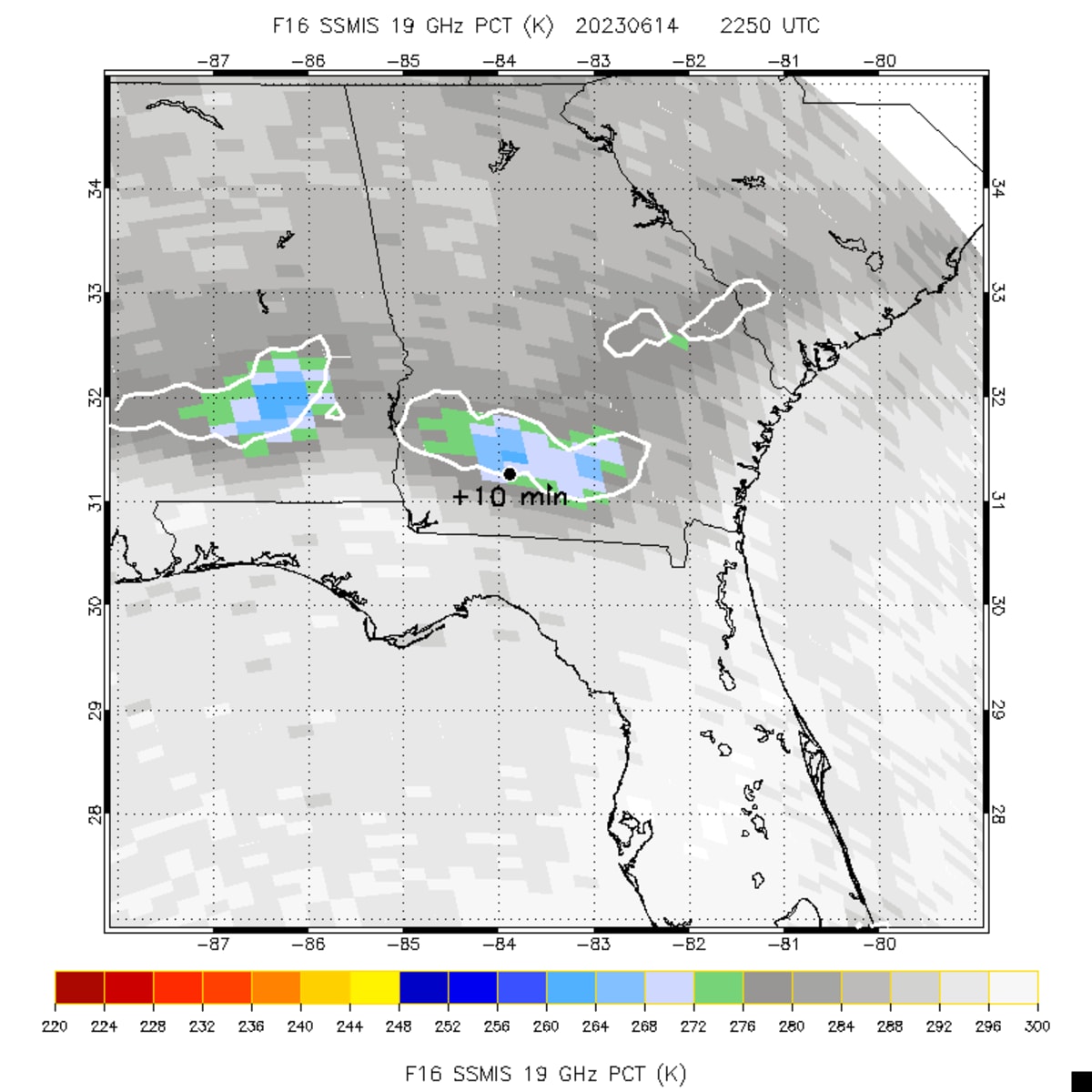
NASA scientists are matching volunteer hail reports with archived satellite data to build models of hail behavior. When Kichler reported his two-inch hailstones, researchers could compare his ground-level observations with satellite readings taken just ten minutes earlier. That combination of everyday observations and space technology creates a complete picture scientists couldn't get any other way.
"I love the project, and I love being able to contribute meaningful data," Kichler says. He's one of thousands of volunteers whose reports regularly help the National Weather Service, broadcast meteorologists, the U.S. Department of Agriculture, and the National Drought Mitigation Center make better predictions and prepare communities for severe weather.
The Ripple Effect
Better hail predictions mean farmers can protect crops, homeowners can prepare for damage, and weather services can issue more accurate warnings. The data volunteers collect doesn't just sit in a database. It actively shapes the forecasts and warnings that keep people safe during severe storms.
Getting started takes less than five minutes. Download the free CoCoRaHS mobile app, and you're ready to report hail during your next storm. For rain and snow measurements, you'll need an inexpensive weather gauge approved by the National Weather Service, but hail reporting requires nothing but your eyes and your phone.
Thousands of volunteers are already proving that transformative science doesn't require a lab coat or a PhD, just curiosity and a willingness to look up at the sky.
More Images

Based on reporting by NASA
This story was written by BrightWire based on verified news reports.
Spread the positivity!
Share this good news with someone who needs it