NASA's Artemis 2 Launches April 1, Returns Humans to Moon
For the first time in over 50 years, astronauts are heading back to the moon next month. NASA's Artemis 2 mission will send four crew members farther from Earth than any human has ever traveled.
Four astronauts are about to make history by traveling farther from Earth than any human ever has, surpassing a distance record that's stood since 1970.
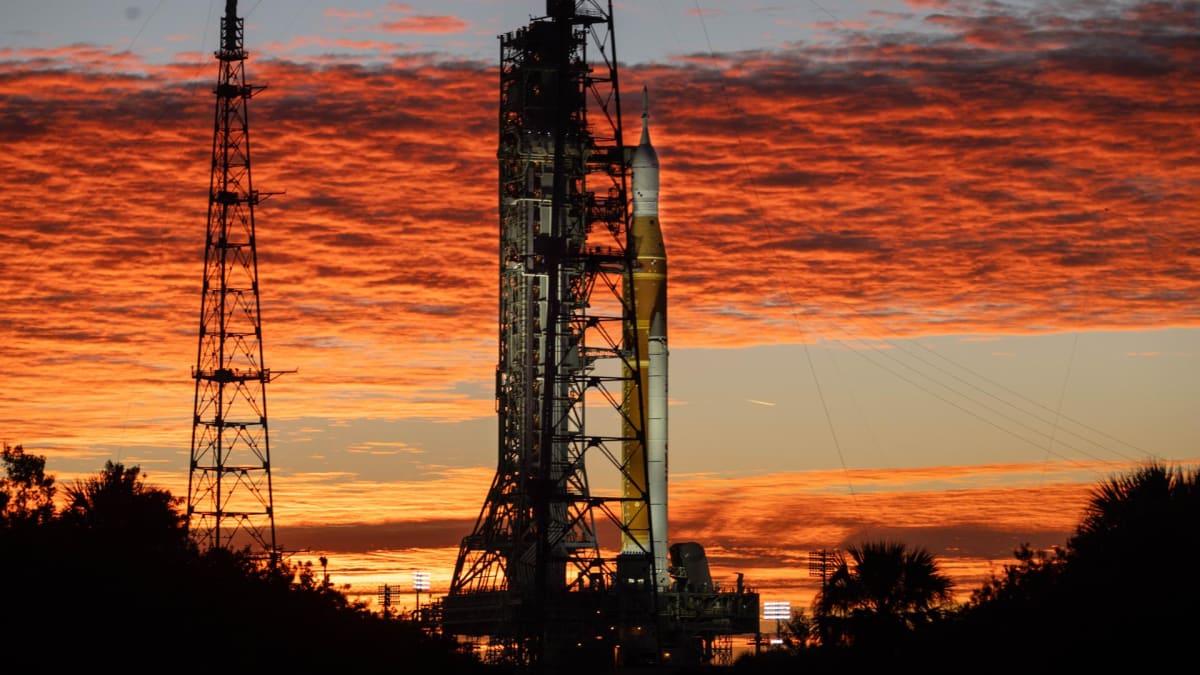
NASA confirmed that Artemis 2 remains on track for an April 1 launch. The roughly 10-day mission will carry commander Reid Wiseman, pilot Victor Glover, mission specialists Christina Koch, and Jeremy Hansen on a trajectory around the far side of the moon.
From their closest approach, the moon will appear about the size of a basketball held at arm's length. The crew will spend up to six hours documenting surface features using handheld Nikon cameras, verbal descriptions, and sketches on tablets.
"We're getting back to contemplating what human exploration of the moon could look like," said NASA Associate Administrator Amit Kshatriya at the Lunar and Planetary Science Conference. The crew has spent three years training in Apollo-era techniques and intensive lunar observation courses.
Scientists are particularly excited about what human eyes can capture that instruments can't. "As humans, the crew provides critical perceptual context that just can't be replicated with robotic sensors," said Ariel Deutsch, a planetary scientist at NASA's Ames Research Center.
The astronauts will focus on subtle variations in color, lighting, and terrain that human perception captures better than cameras alone. NASA has developed an interactive lunar atlas to help the crew track priority targets based on lighting and viewing conditions during the flyby.
The Ripple Effect
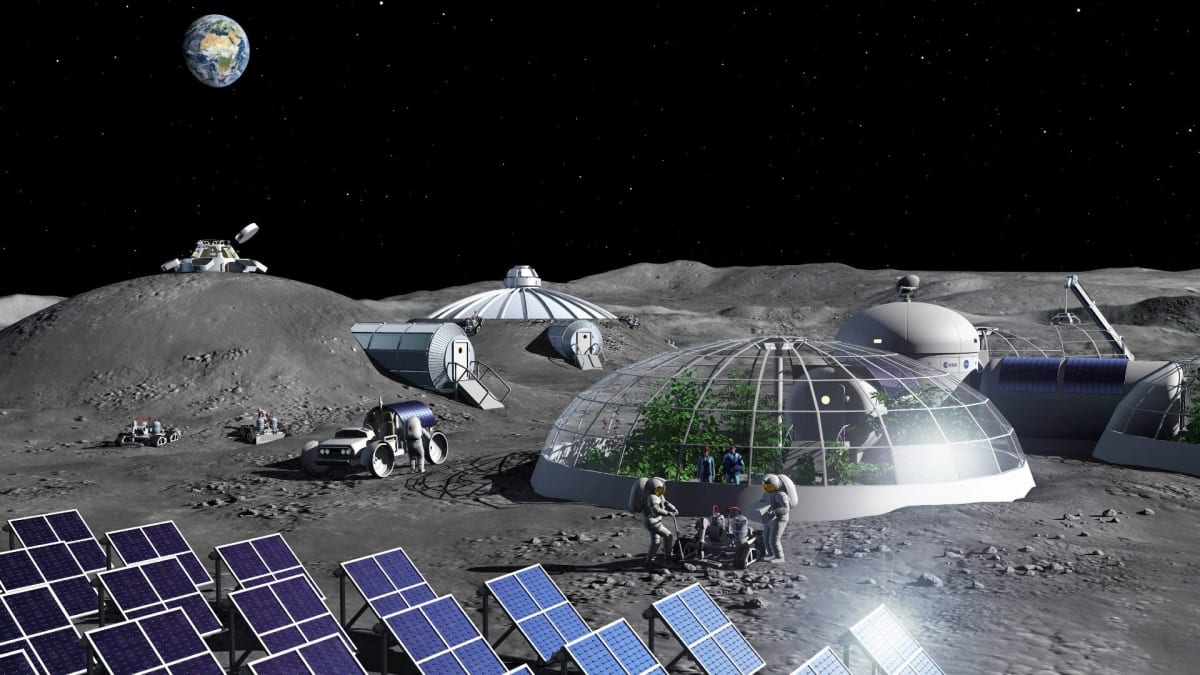
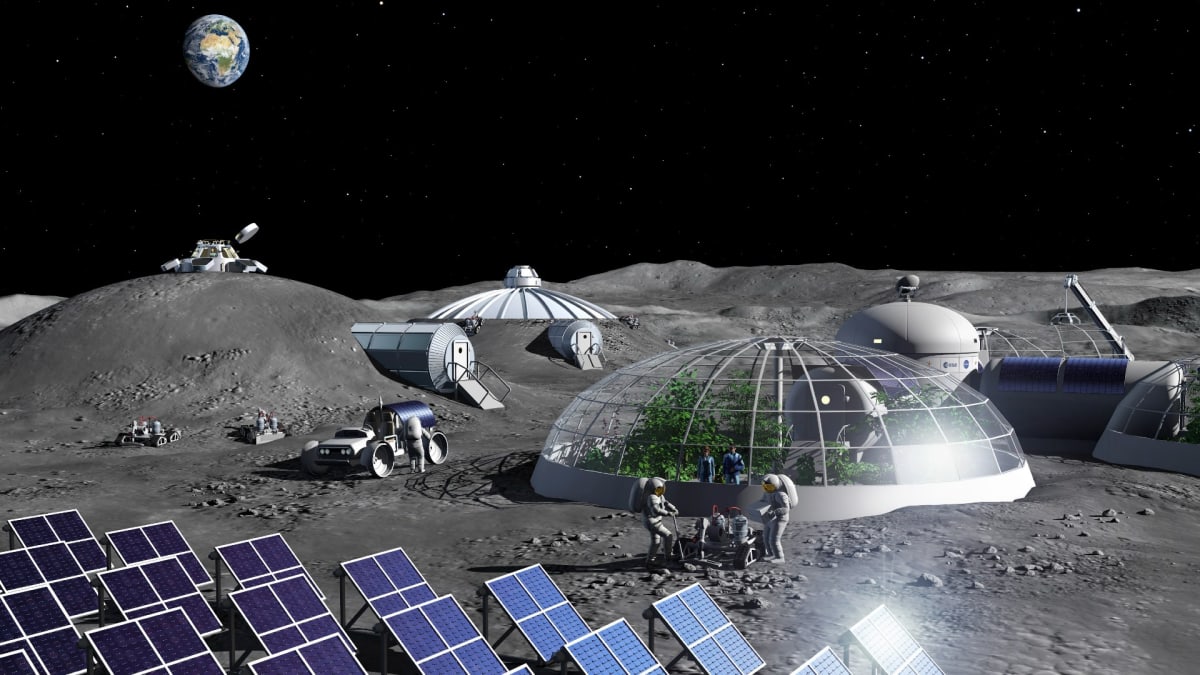
While Artemis 2 won't land on the moon, it's paving the way for something even bigger. NASA is now planning for Artemis 4 to become the first crewed moon landing since the Apollo era, targeting the lunar south pole where scientists believe water ice exists in permanently shadowed craters.
This water ice could become a crucial resource for future human exploration and long-term presence on the moon. To make this goal more achievable, NASA is increasing flexibility in mission design and ramping up robotic precursor missions to the south pole, potentially launching as often as monthly.
The agency is also giving industry partners more freedom to propose innovative solutions for reaching these challenging landing sites. Unlike the relatively smooth equatorial regions visited during Apollo, the south pole features steep slopes, rugged mountains, and extreme lighting conditions.
Next month's launch represents more than a return to the moon—it's the beginning of a sustained human presence beyond Earth, opening possibilities for exploration we've only dreamed about for half a century.
More Images


Based on reporting by Space.com
This story was written by BrightWire based on verified news reports.
Spread the positivity!
Share this good news with someone who needs it