NASA's Artemis II Crew to Fly Farther Than Any Human in History
Four astronauts are preparing to journey around the Moon as soon as tomorrow, traveling farther from Earth than anyone ever has. It's the first time humans will venture into deep space in over 50 years, paving the way for humanity's first permanent lunar base.
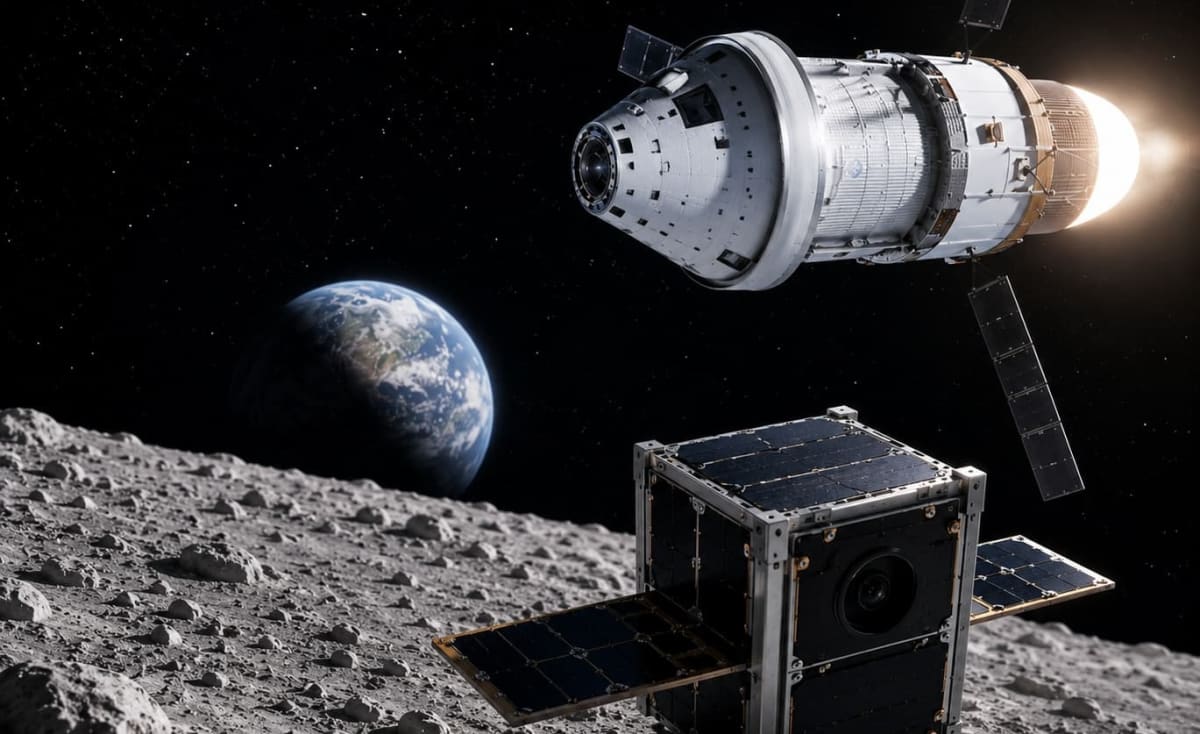
Tomorrow could mark the most distant human journey in history when NASA launches four astronauts on a 10-day trip around the Moon. The Artemis II mission will send people into deep space for the first time since the Apollo program ended in 1972.
The crew includes Christina Koch, Victor Glover, Reid Wiseman, and Canadian astronaut Jeremy Hansen. They'll test the rockets and capsules that NASA plans to use for landing humans on the Moon and eventually building a permanent lunar base.
This isn't just a test flight. The astronauts will conduct groundbreaking science experiments during their journey, including studying how deep space radiation affects human health outside Earth's protective magnetic field.
One experiment is particularly innovative. Scientists extracted bone marrow cells from each astronaut's blood and placed them on chips the size of USB drives. One chip per astronaut will fly to space while an identical one stays on Earth, allowing researchers to compare how deep space radiation affects human cells at the DNA level.
The astronauts will also give blood and saliva samples before and after the mission. Radiation sensors throughout their capsule will measure their exposure during the flight, helping NASA understand the health risks of future long-duration missions.
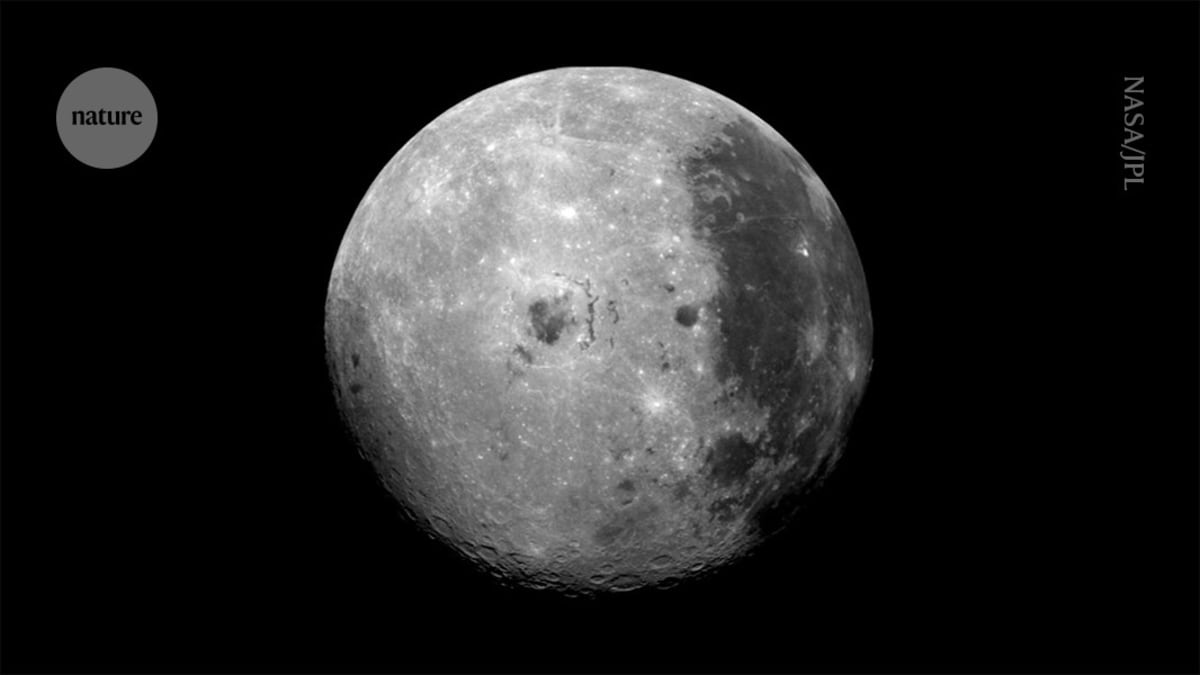
But perhaps the most exciting aspect is human observation. The crew will see parts of the Moon's far side that no human eyes have ever viewed directly. Unlike robots, the astronauts can make split-second decisions about what to study based on what catches their attention.
"The amazing part of having crews is they have brains and eyes, and the capacity for thought and reaction," says Barbara Cohen, a NASA planetary scientist. The astronauts trained extensively for this, including field trips to sites in Canada and Iceland that resemble the Moon's surface.
Why This Inspires
This mission represents more than technological achievement. It's about pushing the boundaries of human exploration while carefully studying how to keep future space travelers safe and healthy.
The organ-on-a-chip experiment could revolutionize space medicine. If successful, NASA could test how any potential astronaut's cells would react to deep space before they ever leave Earth, making space exploration safer for everyone.
After more than 50 years, humans are finally returning to deep space with decades of accumulated knowledge and better technology than the Apollo era ever had.
The goal isn't just to visit the Moon but to stay there, building a sustainable presence that will serve as a stepping stone for future exploration. This mission marks the beginning of humanity becoming a truly spacefaring species.
More Images


Based on reporting by Google News - Science
This story was written by BrightWire based on verified news reports.
Spread the positivity!
Share this good news with someone who needs it