
NASA's Artemis II Heat Shield Aces Fiery Reentry Test
After concerns that a faulty heat shield might endanger astronauts, NASA's Artemis II spacecraft survived a blistering 24,664 mph reentry with minimal damage. The successful test clears a major hurdle for humanity's return to the moon.
Four astronauts just survived a trial by fire that had experts genuinely worried, and the ghostly underwater photos prove NASA got it right.
The Artemis II crew splashed down safely on April 10 after their Orion spacecraft plunged through Earth's atmosphere at over 24,000 mph. That speed transforms air into a plasma inferno half as hot as the sun's surface, making the heat shield quite literally a matter of life and death.
Early concerns were serious. The previous Artemis I mission used the same heat shield design, and after that uncrewed flight, inspectors found cracks, char damage, and missing bolts. Charles Camarda, a former NASA astronaut and heat shield engineer, called flying the same design "playing Russian roulette" with astronaut lives.
So NASA changed their approach. Instead of the "skip" reentry used in Artemis I, where the capsule bounced off the upper atmosphere like a stone on water, they chose a more direct path similar to the Apollo missions. It meant sacrificing some accuracy and passenger comfort, but it worked.
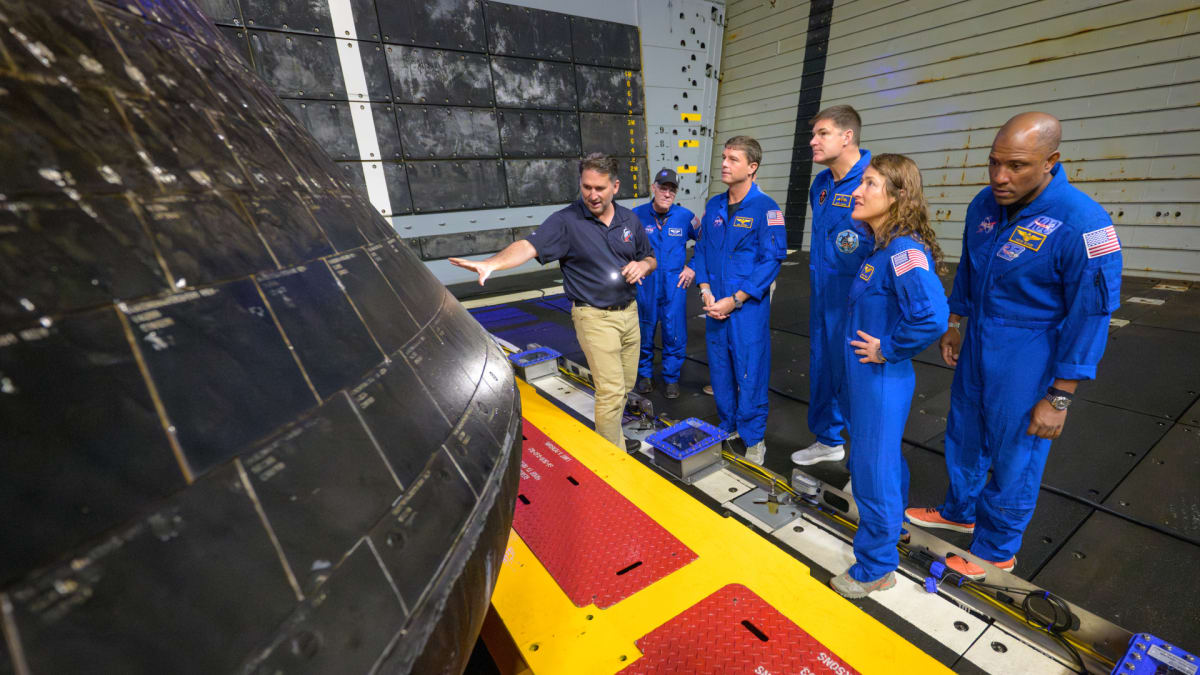
U.S. Navy divers captured underwater images of Orion's heat shield shortly after splashdown. The photos revealed minimal char loss, uncracked ceramic tiles, and thermal tape still intact in numerous places. NASA's initial inspection found the shield "performed as expected, with no unusual conditions identified."
The precision was remarkable too. Orion landed just 2.9 miles from its target site, matching the accuracy of the legendary Apollo missions. The entry velocity was within one mile per hour of predictions.
Why This Inspires
This success represents more than just good engineering. When experts raised legitimate safety concerns, NASA listened and adapted rather than pushing forward with a risky plan. The agency tested the shield under extreme conditions, identified the problem, changed their reentry profile, and brought four people home safely.
The Artemis program aims to return humans to the moon for the first time in over 50 years. Artemis III will test Earth orbit docking in 2027, with moon landings planned for 2028. Each mission builds on lessons learned from the last, and this one just taught NASA exactly how to bring future lunar explorers home safely.
After years of delays and setbacks, watching the Artemis program solve real problems and achieve real milestones feels like witnessing humanity remember how to dream big again.
More Images



Based on reporting by Google News - Science
This story was written by BrightWire based on verified news reports.
Spread the positivity!
Share this good news with someone who needs it