NASA's Artemis II Hits 149 Million Views Across Platforms
NASA's Artemis II moon mission shattered the agency's streaming records with 149.4 million views across all platforms, proving the world is hungry to watch humanity return to deep space. From launch to splashdown, people around the globe tuned in to witness history.
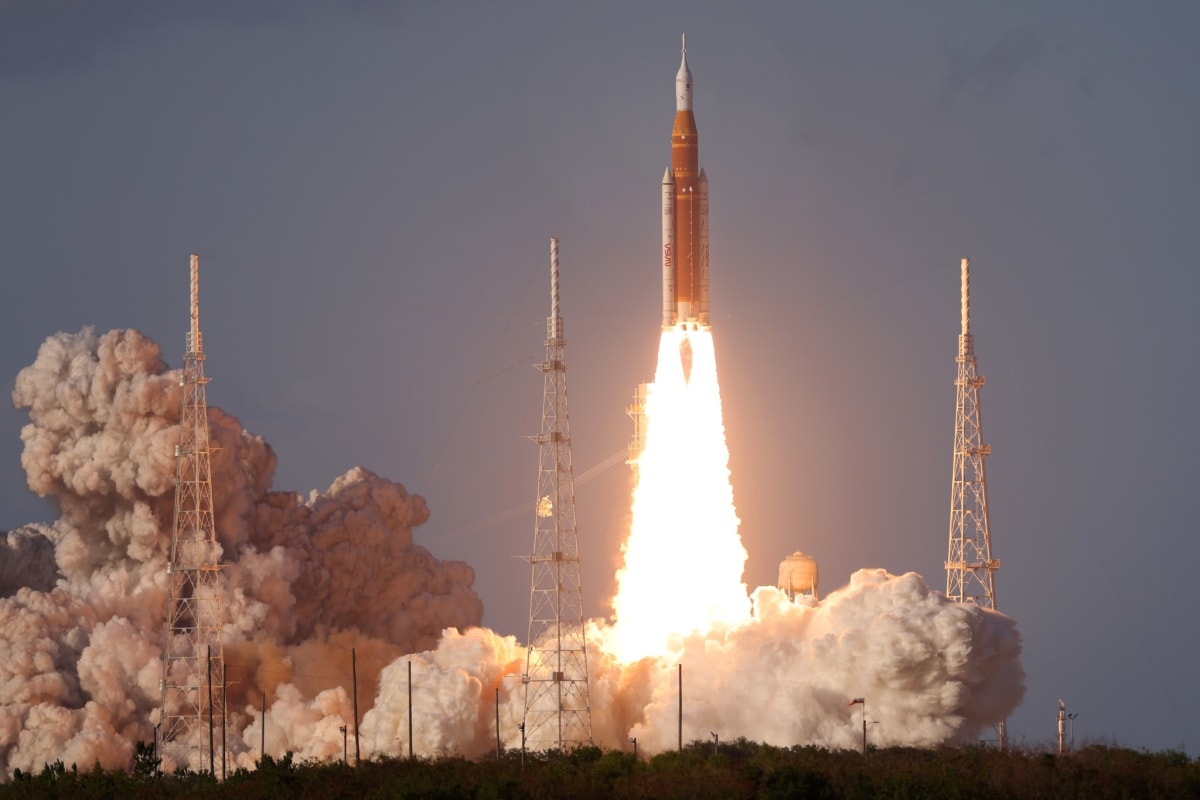
When four astronauts lifted off toward the Moon on April 1, 2026, more than 3.6 million people watched live on NASA's platforms alone, making it the most-watched space event in the agency's history.
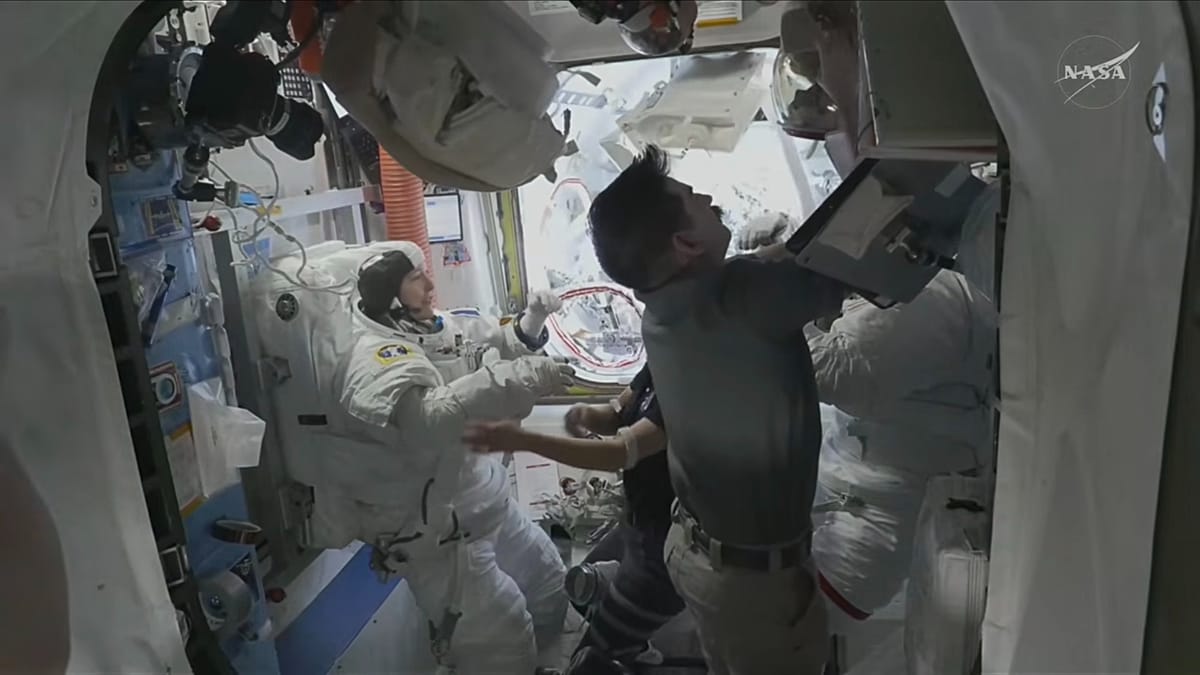
The Artemis II mission carried NASA astronauts Christina Koch, Reid Wiseman, and Victor Glover, along with Canadian astronaut Jeremy Hansen, on humanity's first journey around the Moon in over 50 years. For ten days, the world followed along as the crew flew, orbited, and safely returned home.
The numbers tell a remarkable story of global connection. The launch drew 16.6 million live viewers and 23.9 million total views across NASA's channels. When the crew flew by the Moon on April 6, nearly 1.5 million people watched simultaneously, with that broadcast eventually reaching 40 million views.
But the biggest moment came at the end. Splashdown on April 10 pulled in 3.8 million peak viewers, slightly more than the launch itself, as people worldwide held their breath during the risky reentry through Earth's atmosphere.
Spanish-language audiences showed massive enthusiasm too. NASA en Español's dedicated broadcast hit 458,366 concurrent viewers at its peak and has earned 2.8 million total views since launch.
Beyond NASA's own platforms, the mission found viewers in unexpected places. Major streaming services including Netflix (325 million subscribers), Amazon Prime Video (275 million subscribers), and HBO Max brought Artemis II to hundreds of millions of households that might never visit NASA.gov.
The mission also drove people to dig deeper. NASA.gov logged 125.1 million pageviews between April 1 and 10, more than double the previous month's traffic. The real-time orbit tracker alone drew over 11 million views as people checked in on the crew's location throughout the journey.
The Ripple Effect
These record numbers signal something bigger than just impressive statistics. They show that when given the chance, people everywhere want to witness exploration and achievement together.
The mission succeeded in reaching audiences far beyond the usual space enthusiasts. Families gathered to watch launches. Spanish-speaking communities engaged in their own language. Millions of Netflix subscribers stumbled onto space history between episodes of their favorite shows.
NASA's streaming infrastructure handled the massive traffic without major issues, proving the agency can deliver big moments to a global audience in real time. The success establishes a new baseline for how space agencies can connect directly with the public during historic missions.
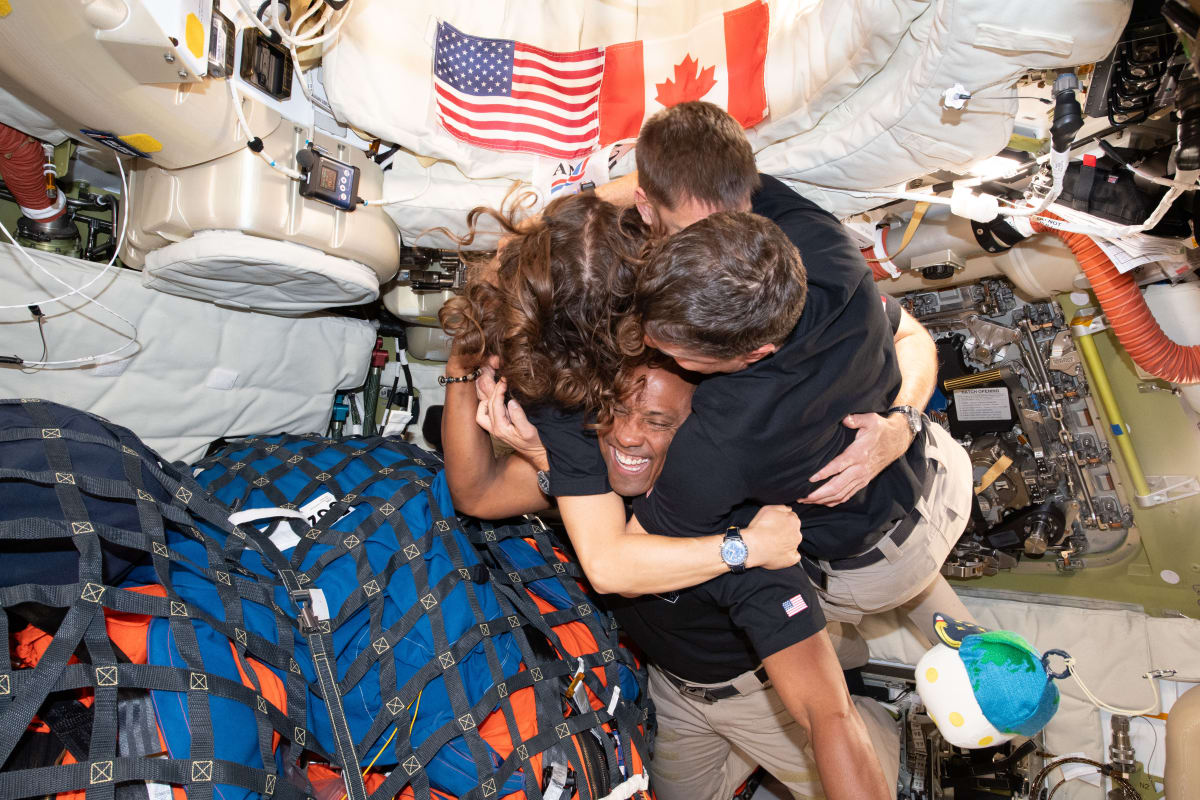
For astronauts Koch, Hansen, Wiseman, and Glover, their ten-day journey created a shared experience that united millions across language barriers and continents. The image of their group hug inside Orion has already become iconic.
When the crew splashed down safely, 24.1 million people were watching live to share that relief and celebration, proving that good news still draws a crowd when the stakes are real and the achievement genuine.
More Images



Based on reporting by NASA
This story was written by BrightWire based on verified news reports.
Spread the positivity!
Share this good news with someone who needs it