Nearby Super-Earth Could Host Life Just 25 Light-Years Away
Astronomers just found a rocky planet in the habitable zone of a star practically next door to us in cosmic terms. The discovery brings us one step closer to answering whether we're alone in the universe.
Scientists have discovered a potentially life-supporting world closer to Earth than almost any other known exoplanet, and the finding has researchers genuinely excited about what comes next.
The rocky planet, called GJ 3378b, orbits a small red dwarf star just 25 light-years away in the constellation Camelopardalis. To put that in perspective, our Milky Way galaxy stretches 100,000 light-years across, making this discovery our cosmic next-door neighbor.
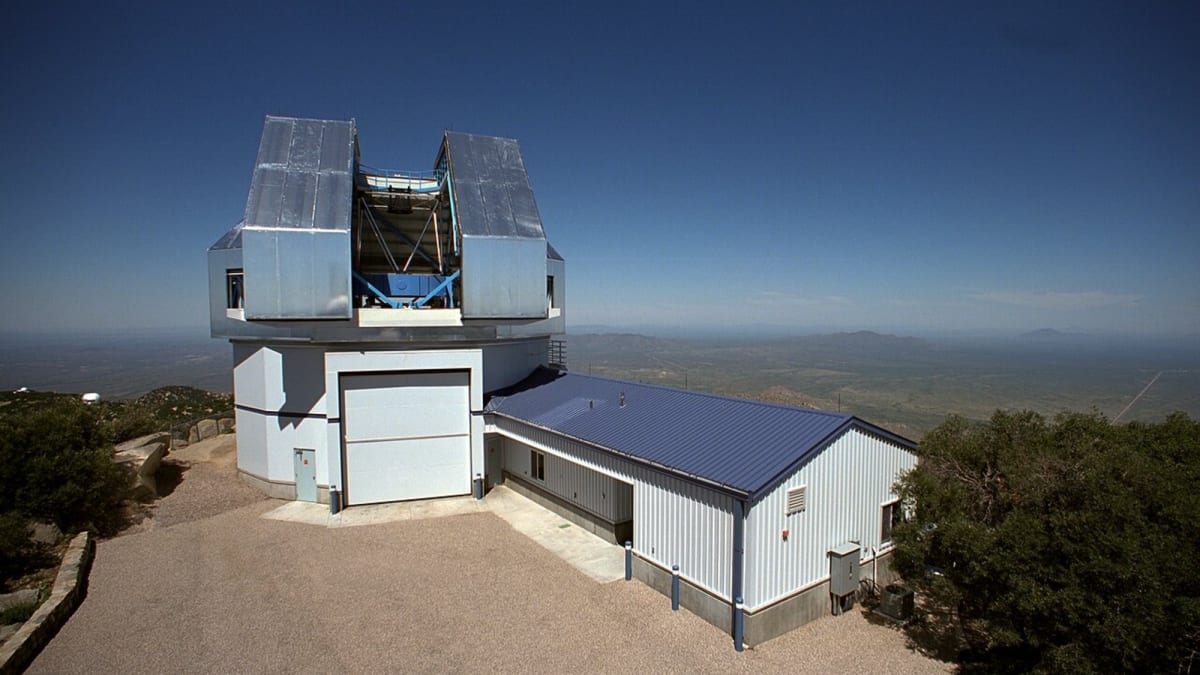
When French astronomers first spotted the planet in 2024 using the Canada-France-Hawaii Telescope, they thought it was a gaseous mini-Neptune about five times Earth's mass. But a team led by Paul Robertson at UC Irvine took a second look with two different telescopes and found something even better.
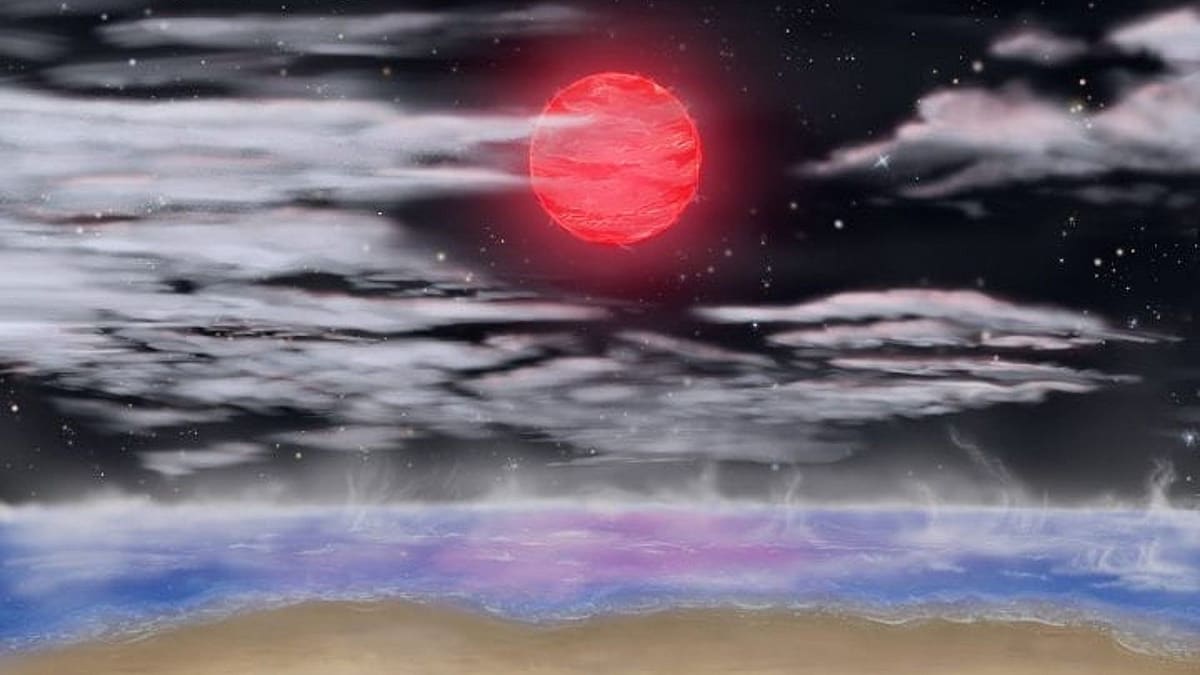
The planet is actually 2.3 times Earth's mass, firmly in super-Earth territory. That means it's likely rocky, not gaseous, and could potentially have a solid surface with land, seas, and clouds.
Even more promising, GJ 3378b sits right in the habitable zone where liquid water could exist. The planet receives about 90% of the radiation Earth gets from our sun, placing it in what Robertson calls "the sweet spot" for supporting life.
The team also discovered the planet orbits its star every 21 days, not the originally measured 25 days. This correction placed it even more comfortably within the zone where conditions might be just right for life as we know it.
Why This Inspires
This discovery represents more than just another dot on our cosmic map. It's part of humanity's reconnaissance phase, a systematic effort to catalog every potentially habitable world in our solar neighborhood.
The closest stars offer our best chance at detecting biosignatures, the chemical fingerprints of life itself. GJ 3378b sits right on the edge of the zone where fierce stellar winds typically strip away planetary atmospheres, meaning it might have escaped the worst radiation battering.
There's one catch: scientists can't yet confirm whether GJ 3378b has an atmosphere at all. The planet doesn't pass in front of its star from our viewpoint, so current technology like the James Webb Space Telescope can't analyze its air.
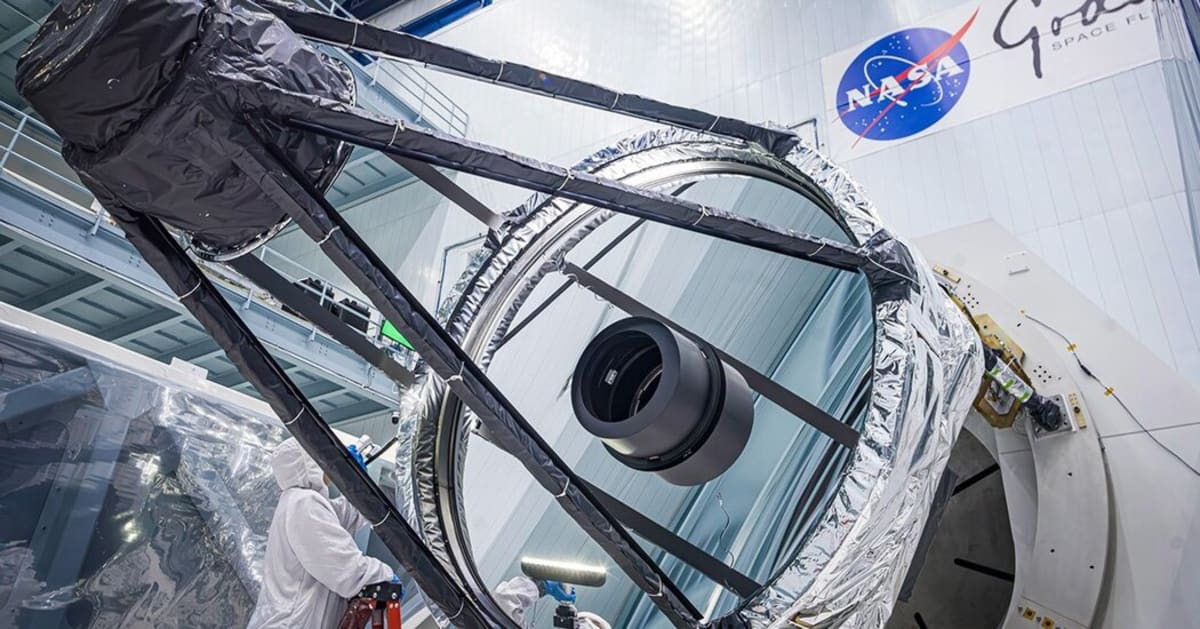
That answer will have to wait until the 2040s, when NASA's planned Habitable Worlds Observatory launches with the capability to study non-transiting planets. The telescope will search for atmospheric signatures and, scientists hope, signs of life.
"We really want to know, are we alone in the universe?" said astronomer Michael Endl at the University of Texas at Austin. Finding planets around our nearest stellar neighbors brings us closer to finally answering that question.
For now, astronomers are celebrating the progress and looking forward to learning whether our cosmic neighbor might be home to something extraordinary.
More Images

Based on reporting by Google News - Science
This story was written by BrightWire based on verified news reports.
Spread the positivity!
Share this good news with someone who needs it