NASA's Artemis II Returns, Moon Landing Set for 2028
Four astronauts just completed humanity's first trip around the Moon in over 50 years, and NASA is already gearing up for the next giant leap. The crew witnessed a lunar eclipse, broke distance records, and paved the way for boots on the Moon by 2028.
Humanity just took its biggest step back to the Moon in more than half a century, and the celebration barely ended before NASA started looking ahead to what comes next.
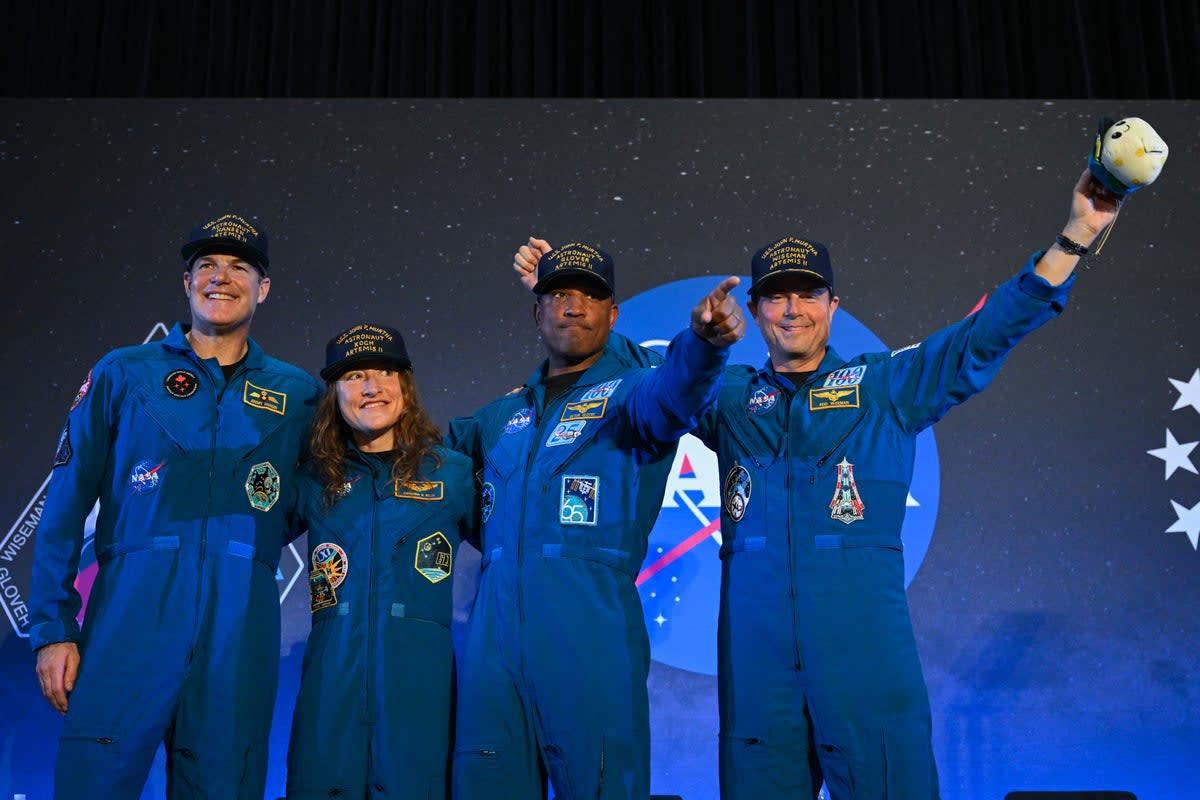
Four astronauts splashed down in the Pacific Ocean last week after nearly 10 days circling the Moon on the Artemis II mission. Commander Reid Wiseman, pilot Victor Glover, Christina Koch, and Canada's Jeremy Hansen brought home stunning views of the lunar far side and a fresh reminder that space exploration is back.
"To people all around the world who look up and dream about what is possible, the long wait is over," NASA Administrator Jared Isaacman told the cheering crowd in Houston.
The mission made history as the first to send a woman, a person of color, and a non-US citizen around the Moon. But what really set this crew apart was their openness, sharing tears over lost loved ones and their deep connection to Earth, which they described as a delicate oasis that needs better care.
Now NASA is racing toward Artemis III, scheduled for next year. That mission will test docking procedures in Earth orbit with lunar landers built by SpaceX and Blue Origin, both competing to prove their spacecraft can handle the job.
The real prize comes in 2028 with Artemis IV, when two astronauts will actually land near the Moon's south pole. Scientists believe this region holds vast amounts of ice in permanently shadowed craters, potentially providing water and rocket fuel for a future lunar base estimated to cost $20 to $30 billion.
Why This Inspires
This moment feels different from the Apollo era of the 1960s and 70s. The Artemis II crew didn't just complete a technical mission. They shared their emotions, requested a lunar crater be named after Wiseman's late wife Carroll, and openly expressed love for each other and our planet.
Author Andy Chaikin, who wrote the book that inspired HBO's "From the Earth to the Moon," watched from Johnson Space Center and felt like he'd woken from a 54-year nap. The contrast between the reserved, all-business Apollo crews and today's "wonderful communicators, almost poets" shows how far we've come.
NASA Associate Administrator Amit Kshatriya admitted the hardest part is getting close to the crews and their families before sending them into danger. He watched the re-entry with the astronauts' spouses and children, knowing the risks involved but trusting the careful balance between caution and courage.
Back in Houston, Wiseman rallied his fellow astronauts with a simple message: "It is time to go and be ready, because it takes courage."
The Moon is calling again, and this time we're bringing everyone along for the journey.
More Images
Based on reporting by Google: space mission success
This story was written by BrightWire based on verified news reports.
Spread the positivity!
Share this good news with someone who needs it