NASA's Athena Supercomputer Cuts Costs, Boosts Power
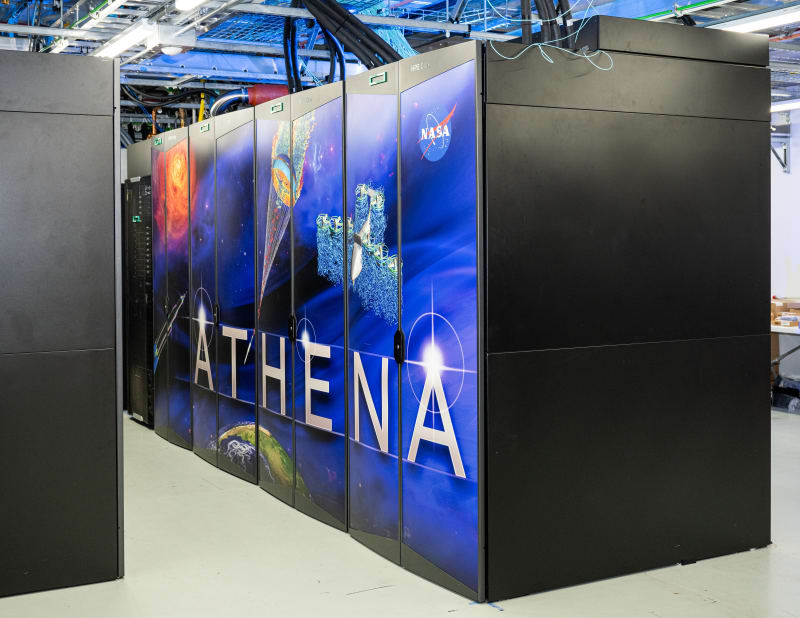
NASA just launched Athena, its most powerful supercomputer ever, delivering breakthrough computing speed while actually reducing energy costs. The system will help scientists design next-generation spacecraft, analyze massive datasets, and push the boundaries of space exploration.
NASA just proved that bigger doesn't have to mean more expensive when it comes to computing power.
The agency unveiled Athena, a supercomputer so powerful it can perform 20 quadrillion calculations per second while cutting utility costs at the same time. That's like upgrading from a bicycle to a rocket ship and somehow saving money on fuel.
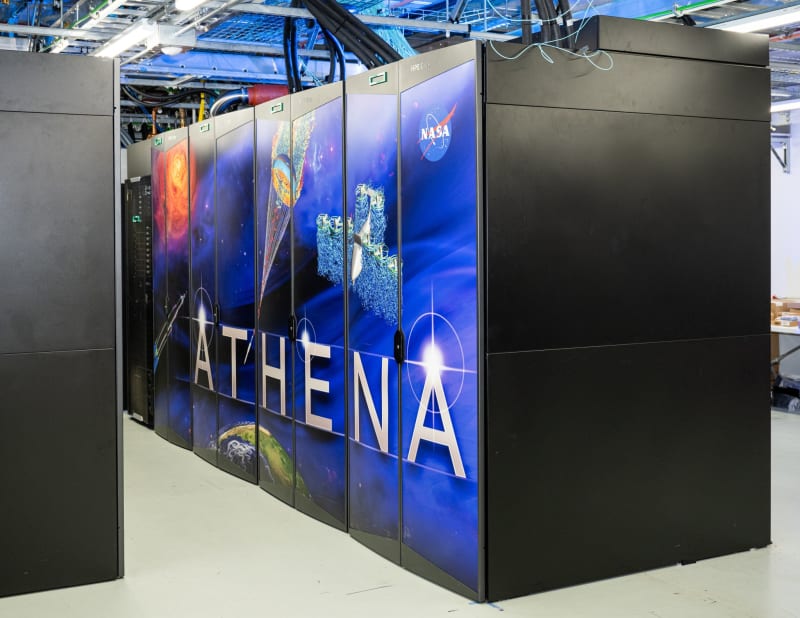
Housed at NASA's Ames Research Center in California's Silicon Valley, Athena represents the newest leap in the agency's High-End Computing Capability project. The system surpasses all previous NASA supercomputers in both raw power and efficiency, giving scientists and engineers the tools they need to tackle challenges that seemed impossible just years ago.
The supercomputer arrived just in time. Modern space missions generate enormous amounts of data, from simulating rocket launches to training artificial intelligence models that can spot patterns humans might miss. Athena can handle it all, processing information fast enough to keep pace with NASA's most ambitious projects, including missions related to the Artemis program.
The name Athena came from a staff contest in March 2025. NASA employees chose the Greek goddess of wisdom and warfare because she's the half-sister of Artemis, making the connection to NASA's lunar exploration program even more fitting.
"Exploration has always driven NASA to the edge of what's computationally possible," said Kevin Murphy, chief science data officer at NASA Headquarters. With Athena, the agency is expanding its ability to provide customized computing resources that match the unique needs of each mission.
The Ripple Effect
Athena's impact reaches far beyond NASA's walls. The supercomputer is available to external scientists and researchers supporting NASA programs, creating opportunities for collaboration across universities, research institutions, and private companies. When more minds can access world-class computing power, breakthrough discoveries happen faster.
The system also demonstrates that environmental responsibility and technological progress can go hand in hand. By achieving more power with less energy, Athena sets a new standard for sustainable supercomputing at a time when the world needs both innovation and conservation.
NASA manages Athena as part of a flexible, hybrid computing approach that combines supercomputers with commercial cloud platforms. This strategy lets research teams choose the right tool for each job, whether they're running complex simulations, developing AI models, or analyzing data from distant galaxies.
As NASA pushes deeper into space, the computational demands will only grow more intense. Athena represents the digital foundation for the next era of discovery, proving that the tools we build on Earth can be just as innovative as the missions they support.
More Images
Based on reporting by NASA
This story was written by BrightWire based on verified news reports.
Spread the positivity!
Share this good news with someone who needs it