NASA's Curiosity Rover Explores Mars' Mysterious Boxwork Unit
NASA's Curiosity rover is wrapping up months of exploration in a unique Martian terrain called the boxwork unit, capturing stunning 360-degree panoramas and analyzing rock samples that could reveal ancient secrets about the Red Planet. The rover is now preparing to climb higher up Mount Sharp to continue its groundbreaking mission.
A robot the size of a small car is making history 140 million miles away, and the images coming back are nothing short of spectacular.
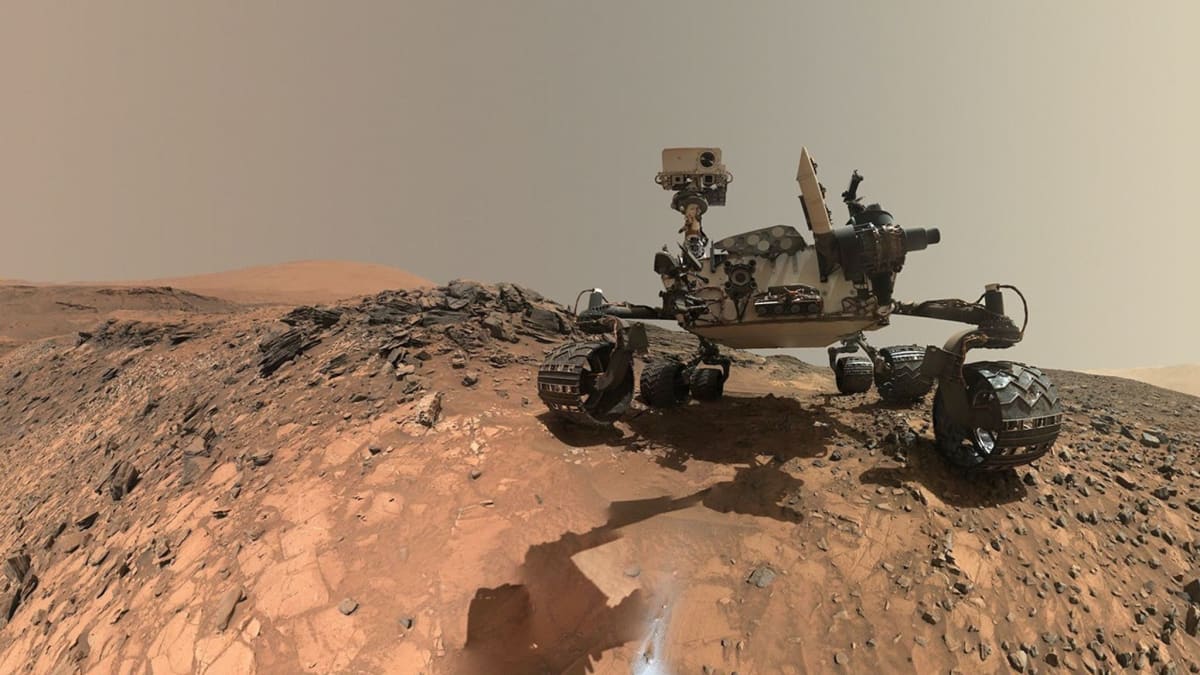
NASA's Curiosity rover just completed a fascinating investigation of Mars' boxwork unit, a rare geological formation on the eastern side of Mount Sharp. Over several months, the rover carefully analyzed this mysterious terrain, drilling into rocks, brushing surfaces clean, and capturing detailed images that scientists hope will explain what ancient processes created this unusual landscape.
The mission operated with impressive efficiency during late February 2026. The rover conducted three separate planning sessions, performing 19 stereo panoramic images that created a complete 360-degree view of the surrounding area. Engineers also guided Curiosity to investigate four different rock targets using its specialized instruments, including the cupcake-sized APXS spectrometer that measures chemical elements in Martian soil.
One target nicknamed "Los Monos" presented a fun challenge for the team. The rock sat slightly underneath the rover's front, requiring engineers to program careful intermediate arm movements to safely reach it. The precision needed to operate machinery remotely across millions of miles of space showcases the incredible skill of the operations team.
As Mars enters its warmer months and dust storm season begins, Curiosity ramped up atmospheric measurements. The rover watched the crater rim fade into haze, looked directly at the Sun to measure atmospheric dust, and recorded several "dust devil movies" to track weather patterns on our neighboring planet.
The Ripple Effect
The boxwork investigation represents more than just pretty pictures from space. Understanding how this unique terrain formed helps scientists piece together Mars' ancient climate and geological history. Some rocks revealed polygonal structures similar to patterns seen before entering the boxwork unit, suggesting connections between different geological periods that could tell us whether Mars once supported conditions favorable for life.
The data Curiosity collects doesn't just satisfy scientific curiosity. Every rock sample analyzed and every atmospheric measurement taken builds the knowledge base that future human missions to Mars will depend on. The rover serves as humanity's advance scout, identifying resources, mapping terrain, and answering questions that will keep astronauts safe when they eventually walk on Martian soil.
Now the rover heads south where terrain smooths out and driving gets easier. Next stop: the sulfate unit higher up Mount Sharp, where new mysteries await discovery.
After nearly 4,820 Martian days of exploration, Curiosity continues proving that the spirit of human curiosity knows no bounds.
More Images



Based on reporting by NASA
This story was written by BrightWire based on verified news reports.
Spread the positivity!
Share this good news with someone who needs it