NASA's Curiosity Rover Hits 23 Miles on Mars After 14 Years
The Curiosity rover has traveled 23 miles across Mars and climbed nearly 1.5 kilometers up Mount Sharp, thanks to engineers who've overcome wheel damage and mechanical failures. The team is now studying ancient rock layers that could reveal clues about Mars' watery past.
A robot the size of a small car just celebrated over a decade of defying the odds on another planet.
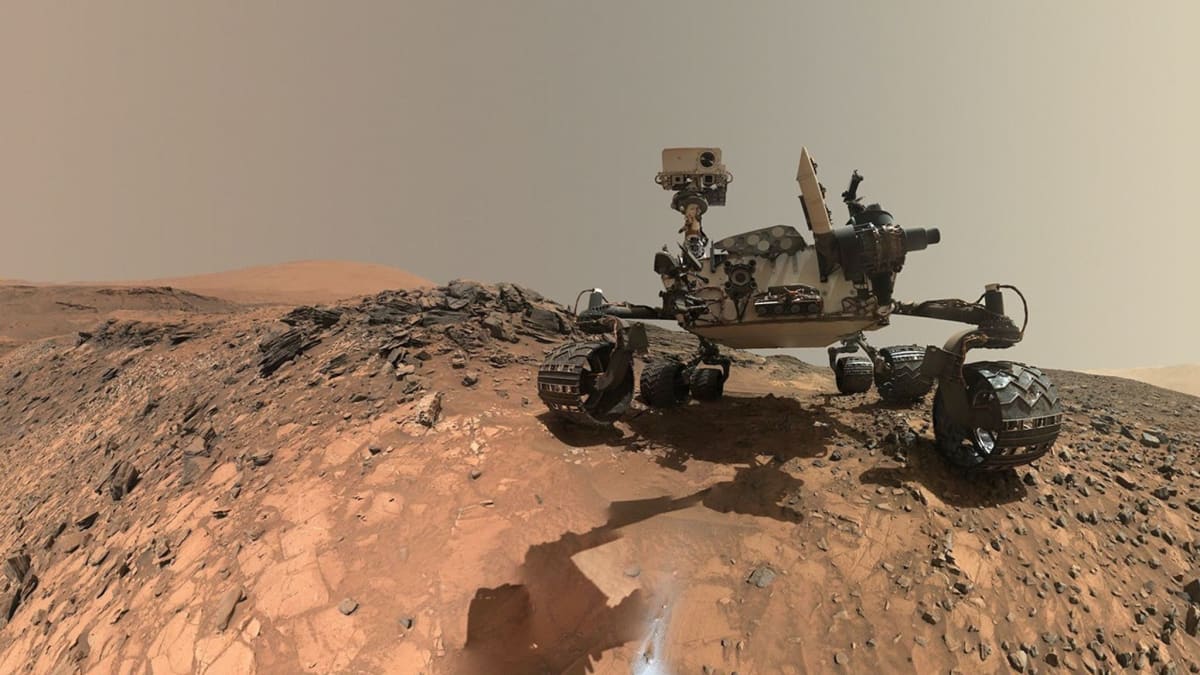
NASA's Curiosity rover has now driven 23 miles across the Martian surface and climbed 4,400 feet up Mount Sharp since landing in 2012. The journey hasn't been easy, but the engineering team behind the mission keeps finding creative solutions to keep Curiosity rolling.
Early in the mission, Curiosity's wheels took unexpected damage from sharp Martian rocks. The team adapted their driving strategies to protect the rover. When a drilling motor failed in 2016, engineers spent 18 months completely redesigning how Curiosity drills into rocks while working remotely from Earth.
The rover has since successfully drilled more than 20 rock samples. Each one gives scientists a glimpse into Mars' ancient past, when the planet may have had the right conditions for life.
This week, Curiosity's team analyzed five different rock targets in dusty, uneven terrain that initially looked too challenging to work with. The rover's robotic arm, which carries chemistry instruments and a closeup camera, had to brush away dust and safely position itself on each target without tipping over or getting stuck.
Lucy Thompson, a scientist from the University of New Brunswick who works with the team, credits the rover engineers for making these tricky maneuvers possible. They assess every potential hazard, from wheel-damaging boulders to sandy patches where the rover could get bogged down.
Right now, Curiosity is exploring rock layers with different colors and textures. Scientists think these variations tell a story about how water once flowed through this region, depositing minerals and carving erosional surfaces. The team recently spotted what could be one of these ancient surfaces and asked the engineers to drive to specific locations for better photos.
Why This Inspires
Curiosity's success shows what's possible when brilliant minds refuse to give up. The engineers didn't abandon the mission when wheels cracked or motors failed. Instead, they invented new ways to keep exploring, turning setbacks into opportunities for creative problem solving.
Their persistence means we're still learning about Mars 14 years later, gathering clues about whether the Red Planet could have once supported life. Every mile Curiosity drives and every rock it analyzes brings us closer to understanding our place in the universe.
The little rover that could is still climbing, still drilling, and still sending home discoveries that inspire wonder.
More Images



Based on reporting by NASA
This story was written by BrightWire based on verified news reports.
Spread the positivity!
Share this good news with someone who needs it