NASA's Deep Space Network Aces Artemis II Moon Mission
After nearly breaking down during the first Artemis mission, NASA's Deep Space Network successfully handled the challenge of keeping four astronauts connected during their recent journey around the Moon. Smart upgrades and better planning turned a crisis into a triumph.
NASA's Deep Space Network just proved it can handle the future of human spaceflight, bouncing back from a near disaster with flying colors.
Nearly four years ago, the global network of deep space antennas nearly collapsed under pressure during the uncrewed Artemis I mission. The system got so overwhelmed that it delayed data from the James Webb Space Telescope and Mars rovers. NASA had to make a tough choice: prioritize the Moon mission or keep science flowing smoothly.
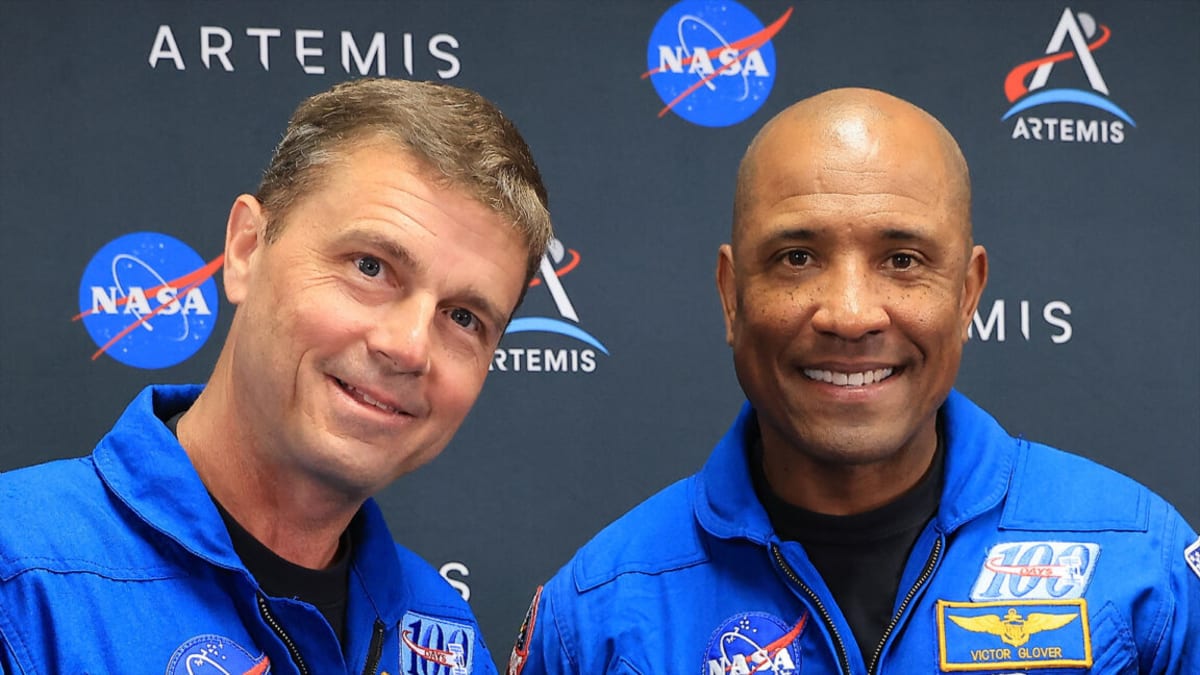
When Artemis II launched on April 1 with four astronauts aboard, everyone held their breath. This mission needed even more data than the first one because human lives were at stake. But something remarkable happened: it worked beautifully.
"We learned a lot on Artemis I, and we actually put some new processes in place," said Greg Heckler, deputy program manager for NASA's Space Communications and Navigation Program. The changes focused on better coordination and smarter scheduling among all 40 missions competing for antenna time.
The team didn't just tweak procedures. They fixed broken equipment that had failed during Artemis I and installed a completely new subsystem before Artemis II launched. The shorter mission duration helped too, lasting just over nine days instead of 25.
NASA's science teams, who manage most missions using the network, gave positive feedback after Artemis II. That's a huge turnaround from the frustration of 2022.
The Ripple Effect
The success of Artemis II proves NASA can adapt and improve under pressure. The agency now requires feasibility studies before adding new missions to the network, ensuring they won't overwhelm the system again.
Looking ahead, NASA is building dedicated lunar ground stations and testing laser communications that can handle far more data than traditional radio signals. The Artemis II mission successfully tested a laser communications terminal, opening doors to faster, more reliable connections for future Moon missions.
About 40 new missions will need network support over the next decade, including the Nancy Grace Roman Space Telescope launching in August. That single mission will return more data than all previous NASA astrophysics missions combined.
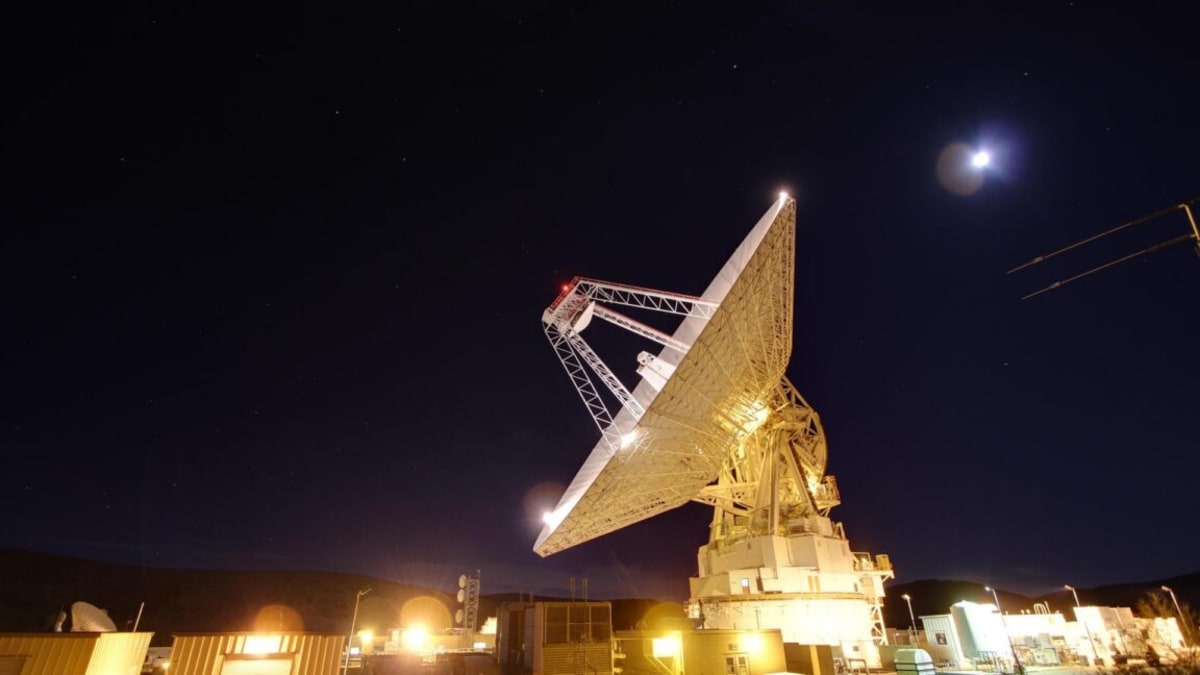
The network's three giant 70-meter antennas in California, Spain, and Australia remain the backbone of deep space communication. Even with one California antenna temporarily offline after an accident, the system handled Artemis II without breaking a sweat.
NASA is also working with commercial partners to develop Moon orbit satellites that will relay data, freeing up the Deep Space Network for missions venturing even farther into our solar system.
The lessons from near-failure taught NASA how to prepare for an exciting future of lunar exploration and beyond.
More Images



Based on reporting by Ars Technica Science
This story was written by BrightWire based on verified news reports.
Spread the positivity!
Share this good news with someone who needs it