NASA's $30M Plan to Save Falling Space Telescope
A beloved NASA telescope that revolutionized our understanding of the universe is falling to Earth, but an unprecedented rescue mission launching June 27 could save it. If successful, it will be the first time a spacecraft has caught and boosted another satellite never designed to be caught. ##
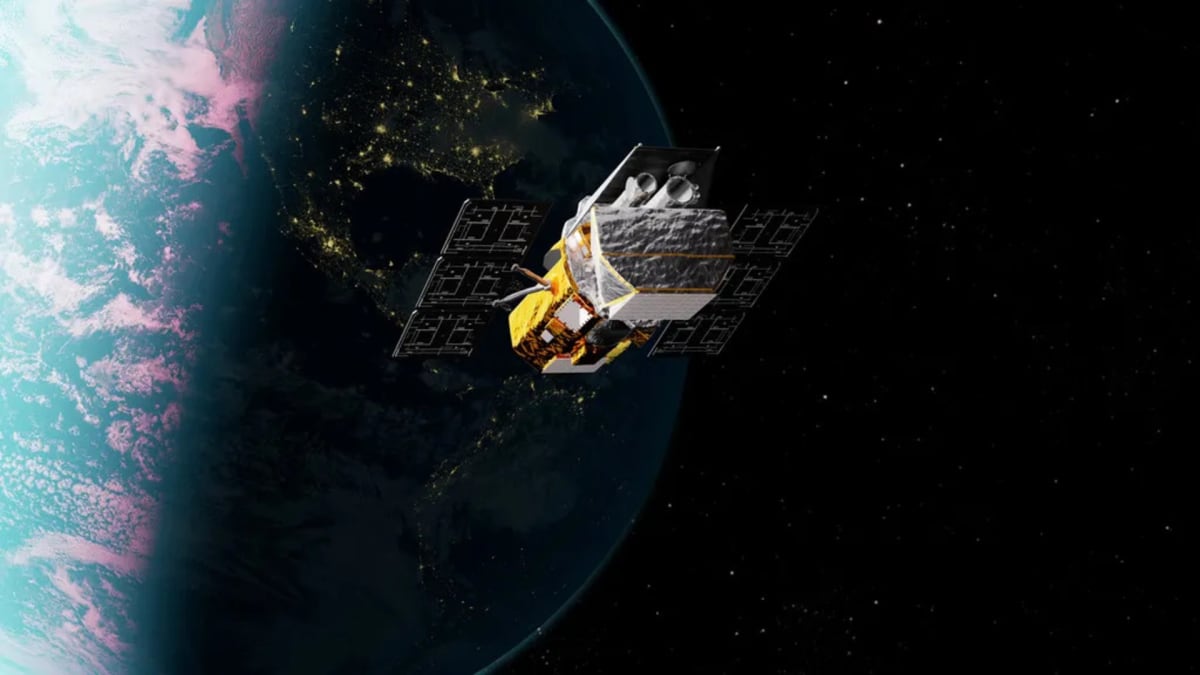
After 22 years of scanning the cosmos for the most powerful explosions in the universe, NASA's Swift space telescope is running out of time.
The beloved observatory is falling toward Earth, pulled down by increased solar activity that's puffed up our atmosphere and created more drag than anyone expected. Without a rescue, Swift would crash by summer's end.
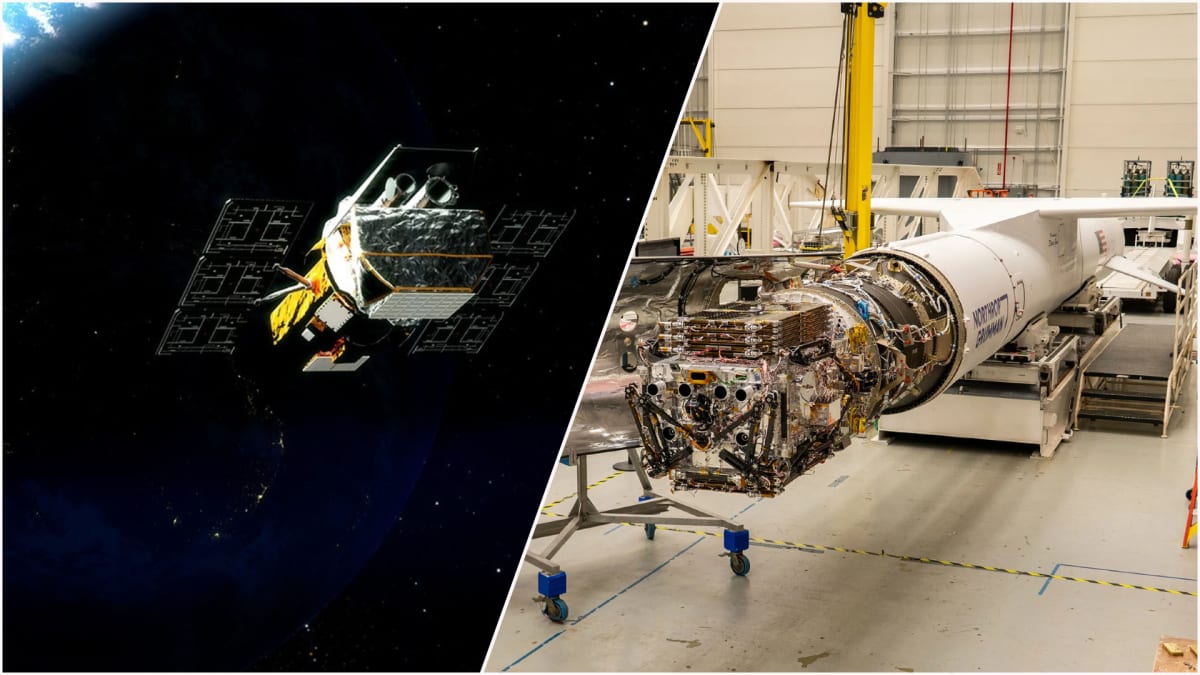
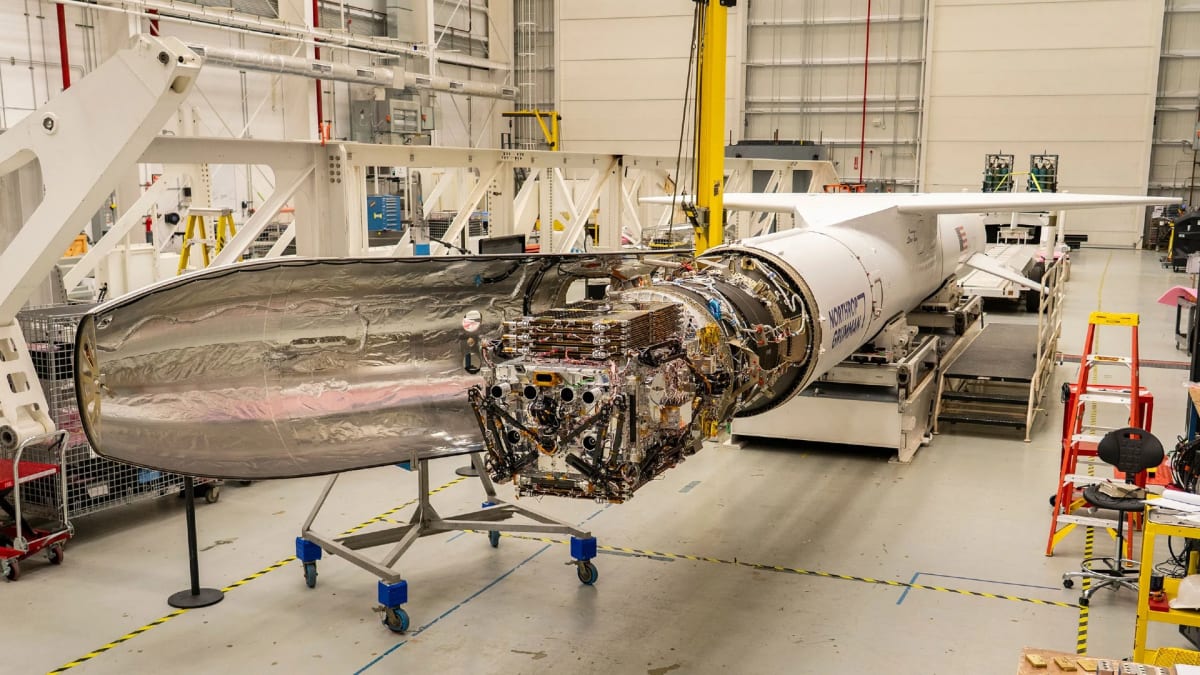
But NASA isn't giving up without a fight. In just nine months, the space agency and Arizona's Katalyst Space Technologies built an entirely new spacecraft to attempt something never done before: catching a satellite that was never designed to be caught.
"No one thought it was going to be possible," said Shawn Domagal-Goldman, NASA's Astrophysics Division director. "No one thought we would get as far as we've already gotten today."
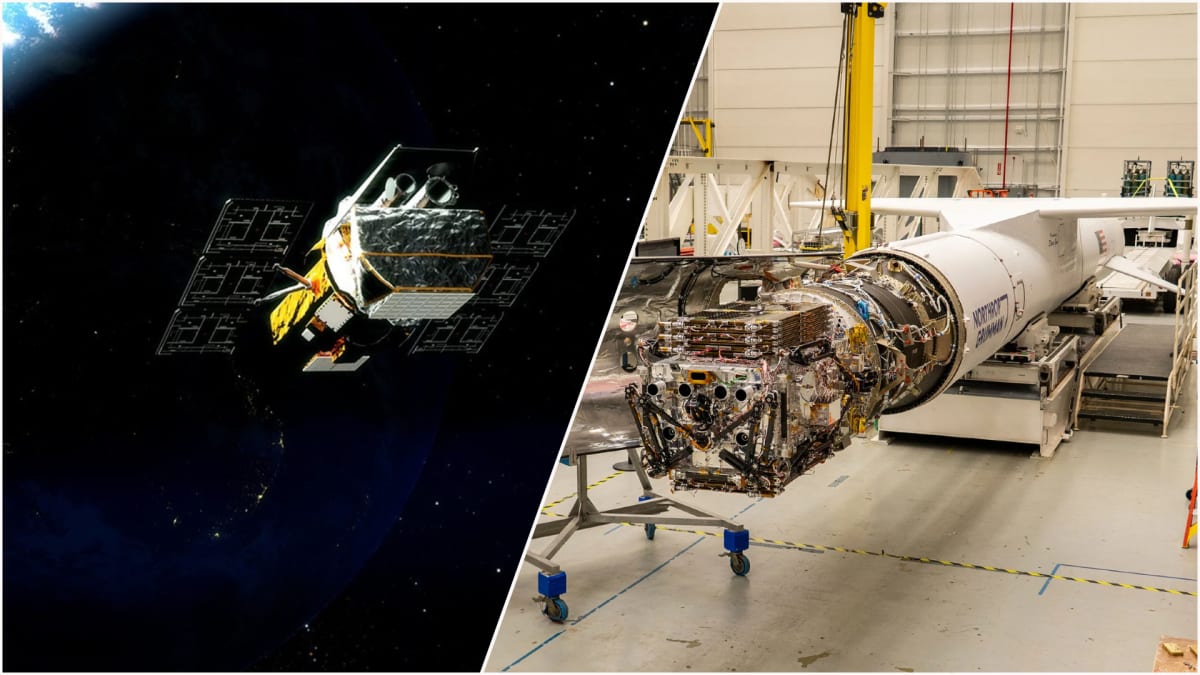
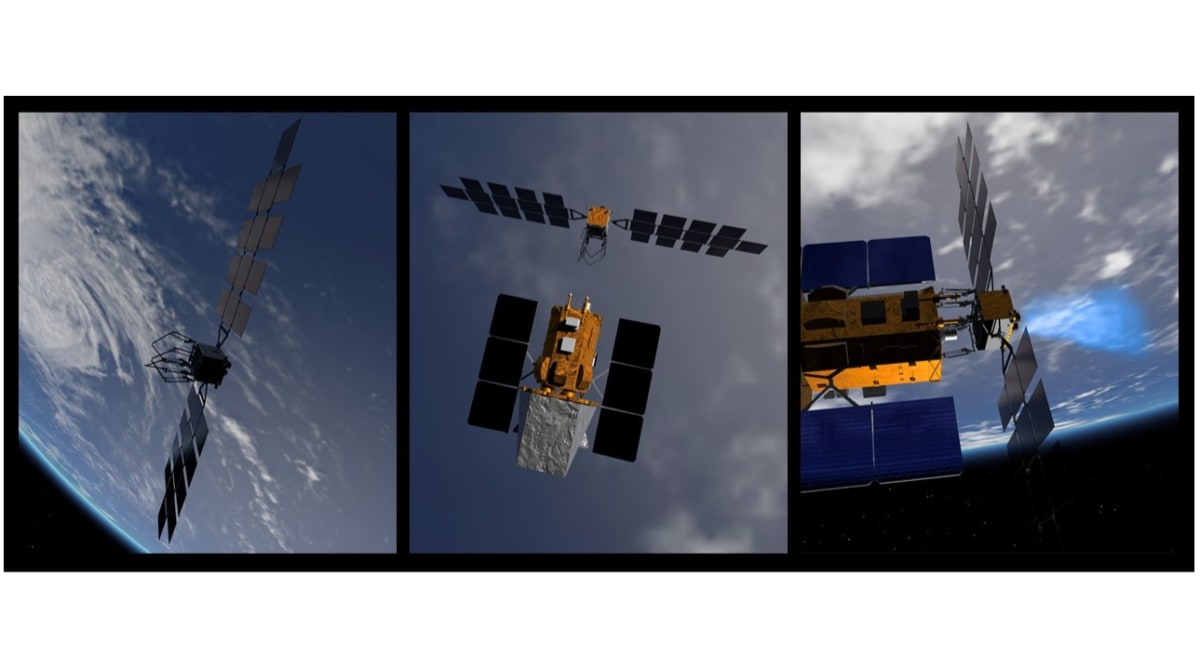
The rescue spacecraft, called Link, will launch June 27 aboard the final Pegasus XL rocket. Tucked inside are three robotic arms, three main engines, and 16 smaller thrusters designed to gently grab Swift and push it back to safety.
Swift has earned this second chance. The $250 million telescope has detected over 2,000 gamma-ray bursts, flashes of energy so powerful they release more energy in seconds than our sun will produce in its entire lifetime.
Those discoveries helped scientists prove that the heaviest elements we know, including the gold and platinum in jewelry, were forged by these cosmic explosions. Swift was supposed to last two years. It's been working for over 20.
"This is an observatory with unique capabilities," Domagal-Goldman explained. "It can quickly pivot across the night sky to find things that go boom in the night."
The timeline has been breathtaking. NASA selected Katalyst last September with a $30 million budget. Nine months later, Link is fully built, tested, and packed aboard its rocket.
After launch, Link will spend a few weeks testing its systems before carefully approaching Swift. The spacecraft will then perform a delicate docking maneuver and spend several months gradually raising Swift back to its original orbit 375 miles above Earth.
The Ripple Effect
Swift's rescue represents more than saving one telescope. The mission proves that aging satellites don't have to become expensive space junk falling to Earth.
If Link succeeds, it could open the door to extending the lives of other valuable spacecraft, saving billions in replacement costs while keeping crucial scientific instruments working longer. The technology could also help clean up space by capturing defunct satellites before they become hazards.
Most importantly, Swift will continue its watch over the universe, ready to catch the next cosmic explosion and reveal more secrets about how our universe works.
A 22-year-old telescope is about to get a lifeline, proving that even in space, it's never too late for a rescue.
##
More Images
Based on reporting by Google News - Science
This story was written by BrightWire based on verified news reports.
Spread the positivity!
Share this good news with someone who needs it