NASA's Dragonfly Rotors Pass Tests for 2028 Titan Mission
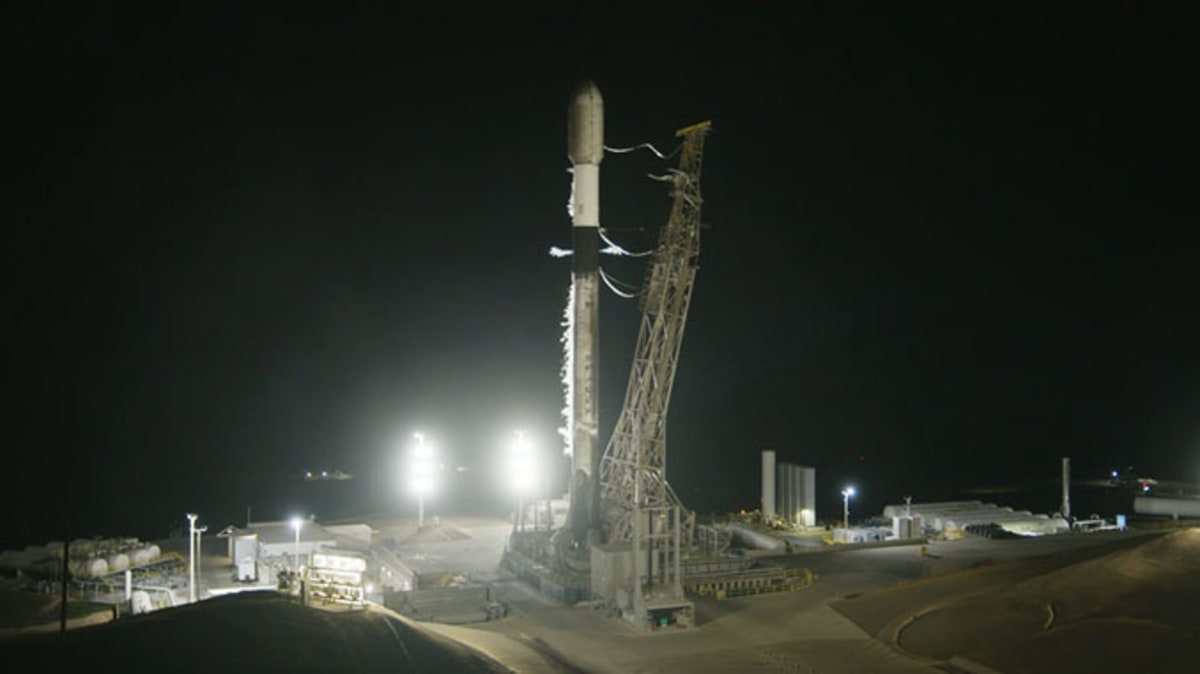
Engineers successfully tested the rotors that will power NASA's car-sized Dragonfly rotorcraft on Saturn's moon Titan, bringing humanity closer to exploring an alien world. The groundbreaking mission will launch in 2028 and arrive at Titan in 2034.
📺 Watch the full story above
A team of engineers just proved that a car-sized drone can fly on another world, and it's one giant leap closer to exploring one of the solar system's most mysterious moons.
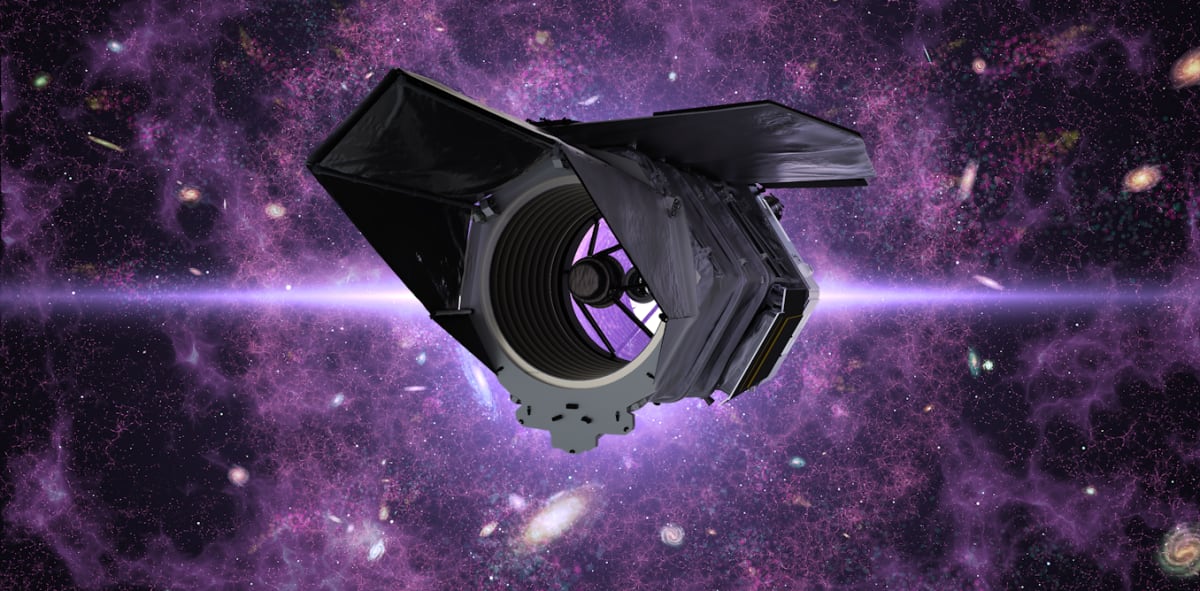
NASA's Dragonfly mission is preparing to send a rotorcraft to Titan, Saturn's largest moon, in 2028. After six years of travel, it will become the first drone to fly through an alien atmosphere, hopping between dozens of locations to search for the building blocks of life.
The Johns Hopkins Applied Physics Laboratory in Maryland is building Dragonfly, and engineers just wrapped up crucial tests that proved the rotors can handle Titan's unique conditions. The moon's thick atmosphere and low gravity make it perfect for flight, but everything has to work perfectly the first time.
"There's no room for error, so any concerns with vehicle structural dynamics or aerodynamics need to be known now and tested on the ground," said Dave Piatak, branch chief for aeroelasticity at NASA Langley Research Center.
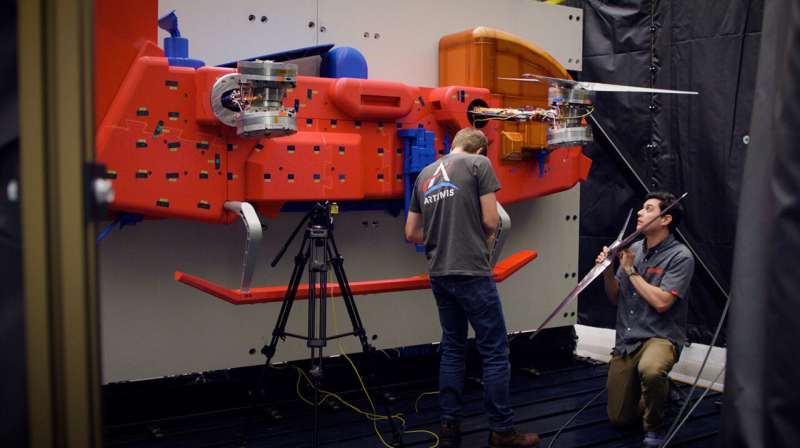
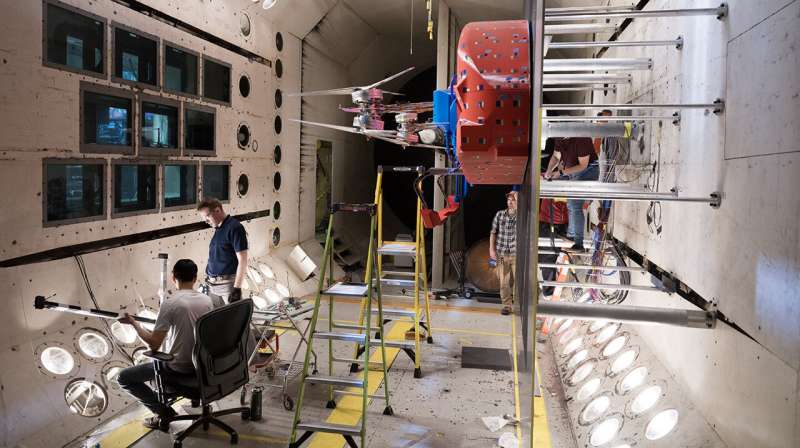
For five weeks last summer, the team tested full-scale rotors at NASA's Transonic Dynamics Tunnel in Virginia. They measured stress, vibration, and performance under conditions mimicking Titan's atmosphere. In December, they completed additional tests on smaller rotor models.
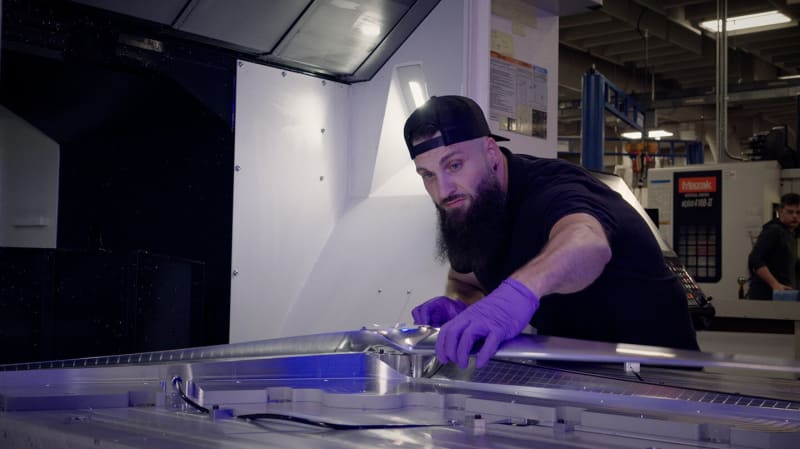
Experimental machinist Cory Pennington faced intense pressure when his team began cutting the rotors in November 2024. Working with 1,000-pound aluminum blocks, they had no materials for practice runs or backups.
"We didn't have time or materials to make test parts or extras, so every cut had to be right the first time," Pennington said. His team delivered the finished rotors a month ahead of schedule.
The rotors passed every test with flying colors. Engineers now have high-fidelity data showing exactly how Dragonfly will perform when it reaches Titan's surface, where temperatures plunge to minus 290 degrees Fahrenheit.
Why This Inspires
This mission represents something remarkable about human curiosity and capability. A team of engineers crafted precision parts that won't be used for years, trusting their work will function flawlessly 746 million miles from Earth.
Dragonfly will explore environments on Titan that scientists believe once held liquid water and complex organic materials together. That combination could reveal clues about how life emerges in the universe.
The rotors will next undergo extreme cold testing before engineers build the final flight versions. Every piece is coming together for a mission that seemed like science fiction just a decade ago.
"We're not just cutting metal, we're fabricating something that's going to another world," Pennington said, capturing the wonder that makes space exploration so compelling even during the painstaking preparation phase.
When Dragonfly touches down on Titan in 2034, those rotors will spin up and carry humanity's exploration to places we've only dreamed about.
More Images

Based on reporting by Phys.org
This story was written by BrightWire based on verified news reports.
Spread the positivity!
Share this good news with someone who needs it