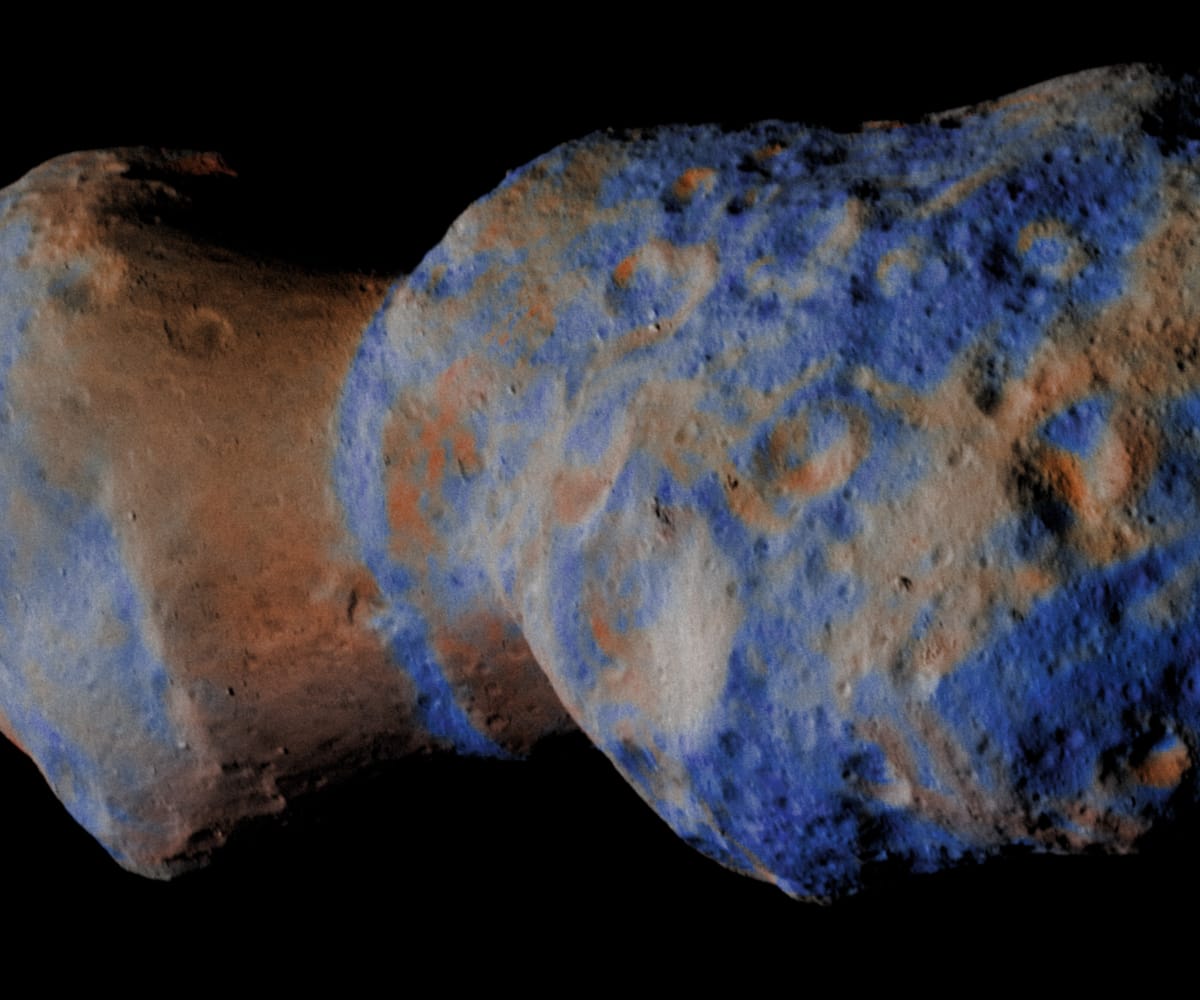
NASA's Lucy Finds 155-Million-Year-Old Asteroid Story
A spacecraft on its way to Jupiter just uncovered the complete life story of an ancient asteroid, proving we can read cosmic history like a detective novel. The discovery shows how scientists will unlock secrets from rocks that witnessed our solar system's birth.
NASA's Lucy spacecraft just did something remarkable: it pieced together the entire 155-million-year biography of a tumbling space rock the size of Central Park, and scientists say it's like discovering a Rosetta Stone for understanding our cosmic origins.
The probe, launched quietly during the pandemic in 2021, is on a six-year journey to visit ancient asteroids near Jupiter that hold clues to how Earth got the ingredients for life. But on its way there, Lucy stopped by an asteroid called Donaldjohanson in 2025 for what turned out to be a groundbreaking pit stop.
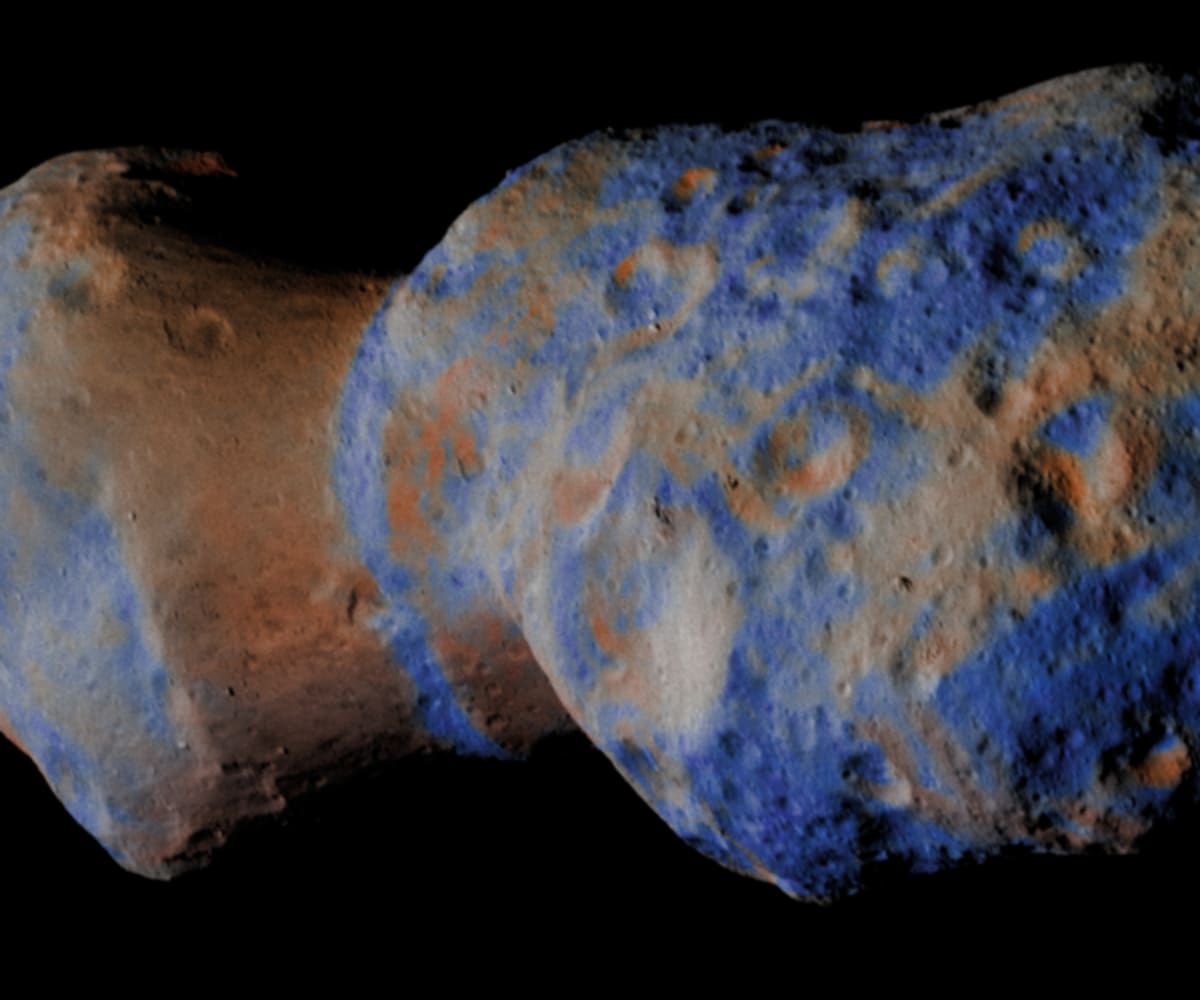
During the brief flyby, Lucy's instruments captured enough detail to reconstruct the asteroid's entire history. Scientists discovered it was born 155 million years ago when a massive collision shattered a larger parent body into countless fragments. The team counted craters like tree rings, examined its peanut shape, and found water-altered minerals locked inside from before the original breakup.
"It's remarkable that we can come up with this sort of holistic evolutionary picture," says Simone Marchi from the Southwest Research Institute, who led the study published in Science. The asteroid's tapered middle shows almost no small craters, revealing that landslides erased them as sunlight slowly changed its spin over millions of years.
The findings matter because Donaldjohanson is relatively young in cosmic terms. That fresh perspective helps scientists separate one aging process from another, something nearly impossible with billion-year-old rocks where countless events blur together.
Lucy is now heading toward its main targets: Trojan asteroids that formed during the solar system's chaotic early days. These ancient rocks may have delivered water and organic compounds to Earth through impacts, possibly kickstarting life on our planet. No spacecraft has ever visited them before.
Why This Inspires
This mission shows how curiosity drives discovery in unexpected ways. What started as an instrument test during a routine flyby became a breakthrough in reading asteroid histories. Lucy proved that even a quick look with the right tools can unlock millions of years of secrets written in rock and dust.
The spacecraft will reach its first Trojan target in August 2027, visiting six primary asteroids over the next decade. Each encounter promises new chapters in the story of where we came from and how our solar system evolved from violent chaos into the stable home we know today.
More Images


Based on reporting by Scientific American
This story was written by BrightWire based on verified news reports.
Spread the positivity!
Share this good news with someone who needs it

%3Amax_bytes(150000)%3Astrip_icc()%3Afocal(999x0%3A1001x2)%2Fmars-rover-field-073126-1e9056218dc842cdb53565a4df6cf847.jpg)