NASA's Mars Rover Discovers 'Dragon Scale' Rocks
NASA's Curiosity rover just found thousands of honeycomb-shaped rock patterns on Mars that could reveal the planet once had seasonal wet and dry cycles. The discovery might rewrite what we know about ancient Martian climate.
Imagine finding evidence of ancient seasons on a planet 140 million miles away, preserved in stone for millions of years.
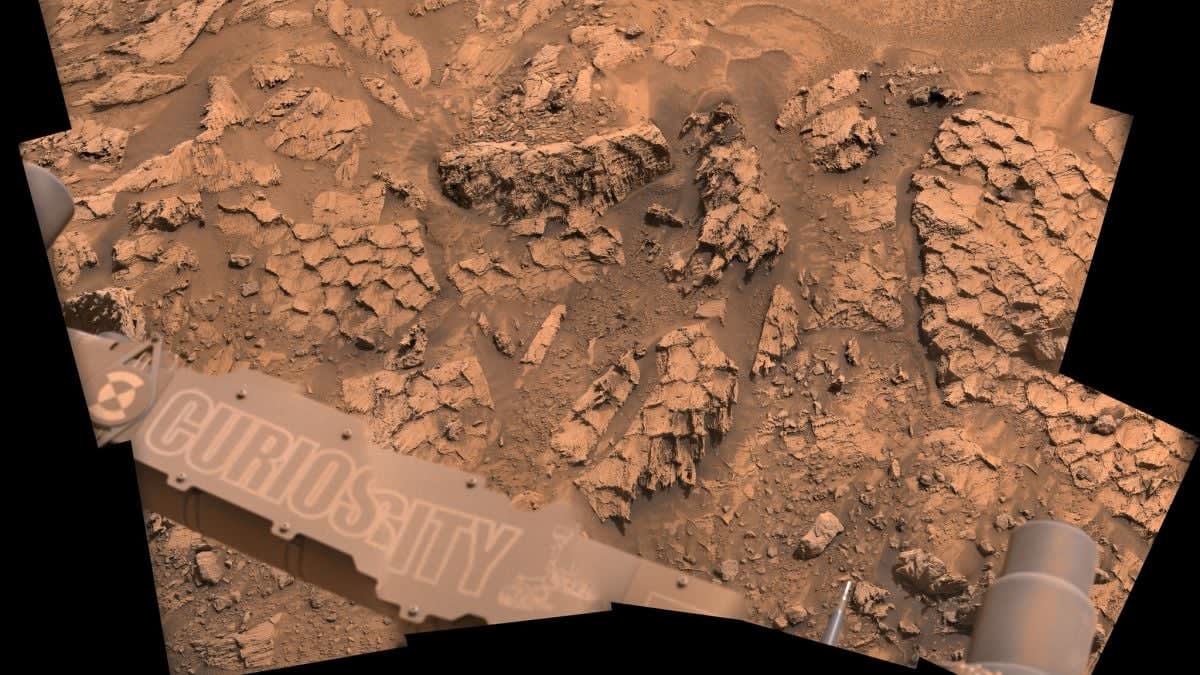
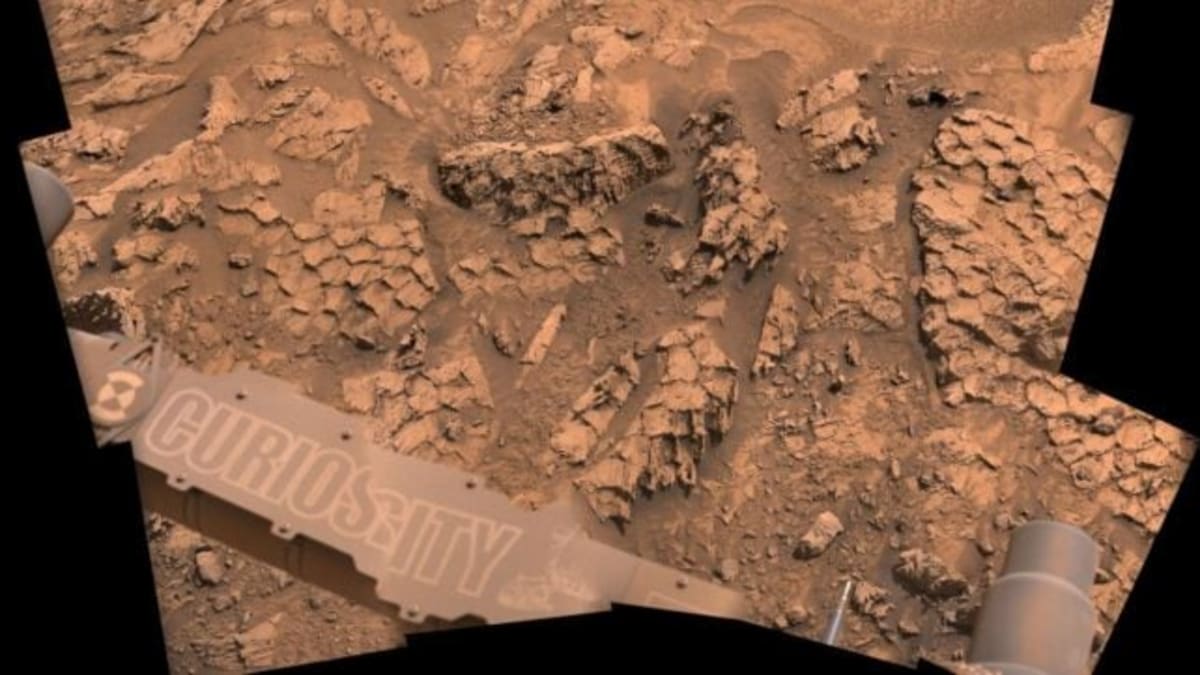
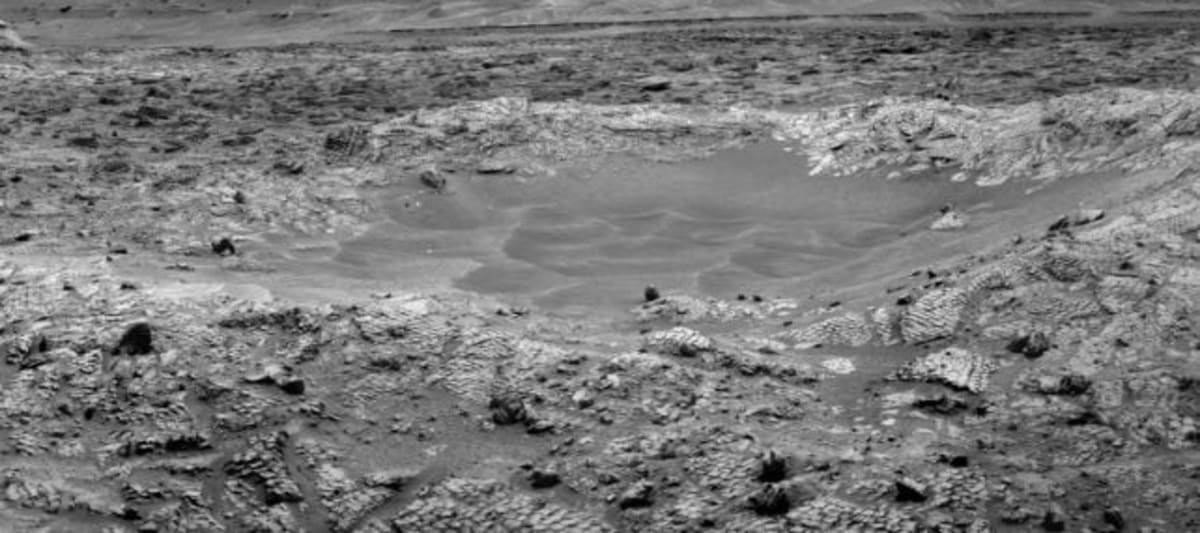
NASA's Curiosity rover just stumbled upon something extraordinary while traveling toward Mars's Antofagasta crater. The rover's cameras captured thousands of rocks covered in strange honeycomb patterns that look remarkably like dragon scales stretching across the Martian surface for meters in every direction.
Project scientist Abigail Fraeman from NASA's Jet Propulsion Laboratory says the team has seen polygon-patterned rocks before, but never this dramatically abundant. The patterns were photographed on April 13, 2026, making this discovery fresh off the cosmic press.
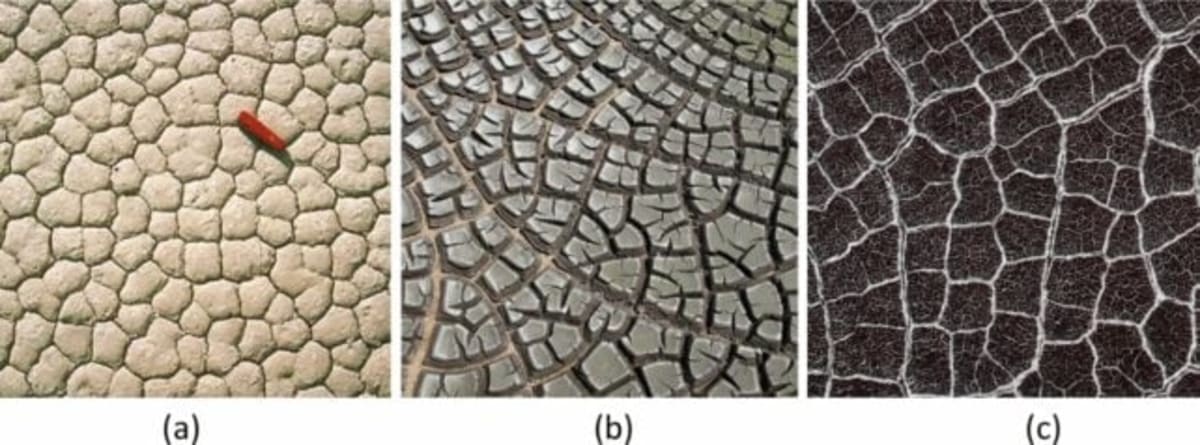
Here's where it gets exciting. On Earth, these honeycomb patterns form when wet ground repeatedly expands and contracts through cycles of saturation and drying. Think of a mud puddle under the summer sun, cracking into puzzle pieces as it dries.
Mars lost its surface water long ago, making these patterns rare finds. But scientists believe these specific formations tell a much bigger story than a single puddle.
Back in 2023, researchers discovered similar hexagonal patterns at a Martian location called Pontours. Their analysis revealed something fascinating: these aren't one-time events. Mud that dries once cracks in T-shapes, but repeated wet-dry cycles create Y-shaped intersections that eventually form perfect hexagons.
The evidence points to seasonal weather cycles on ancient Mars. Once the climate changed, the rock hardened, freezing these patterns in time like a geological time capsule.
The raised ridges at Antofagasta add another intriguing detail. These form when minerals fill ancient cracks and resist erosion better than surrounding rock, creating the dragon scale appearance that caught everyone's attention.
Why This Inspires
This discovery represents more than just cool-looking rocks. Each honeycomb pattern is a window into Mars's ancient past, suggesting the red planet once experienced regular cycles of wet and dry weather, not unlike seasonal changes on Earth.
Scientists are now analyzing chemical data Curiosity collected before moving on from the site. If Antofagasta proves similar to Pontours, it strengthens the growing evidence that Mars's water history was far more complex and Earth-like than its dusty surface suggests today.
The rover found salt deposits at Pontours from evaporating brines. Similar findings at Antofagasta would confirm that ancient Mars had the kind of cyclical water conditions that scientists find most exciting when searching for clues about potential past life.
Every crack and ridge tells part of a story written millions of years ago, and we're just now learning to read it.
More Images

Based on reporting by Google: Mars rover discovery
This story was written by BrightWire based on verified news reports.
Spread the positivity!
Share this good news with someone who needs it