NASA's Moon Mission Launches April 1 After Rocket Repairs
After fixing a helium flow issue, NASA is rolling out its Artemis 2 rocket for an April 1 launch that will send four astronauts around the moon for the first time in over 50 years. The mission marks a giant leap toward humanity's return to lunar exploration.
Four astronauts are about to make history as NASA prepares to launch the first crewed moon mission in more than half a century.
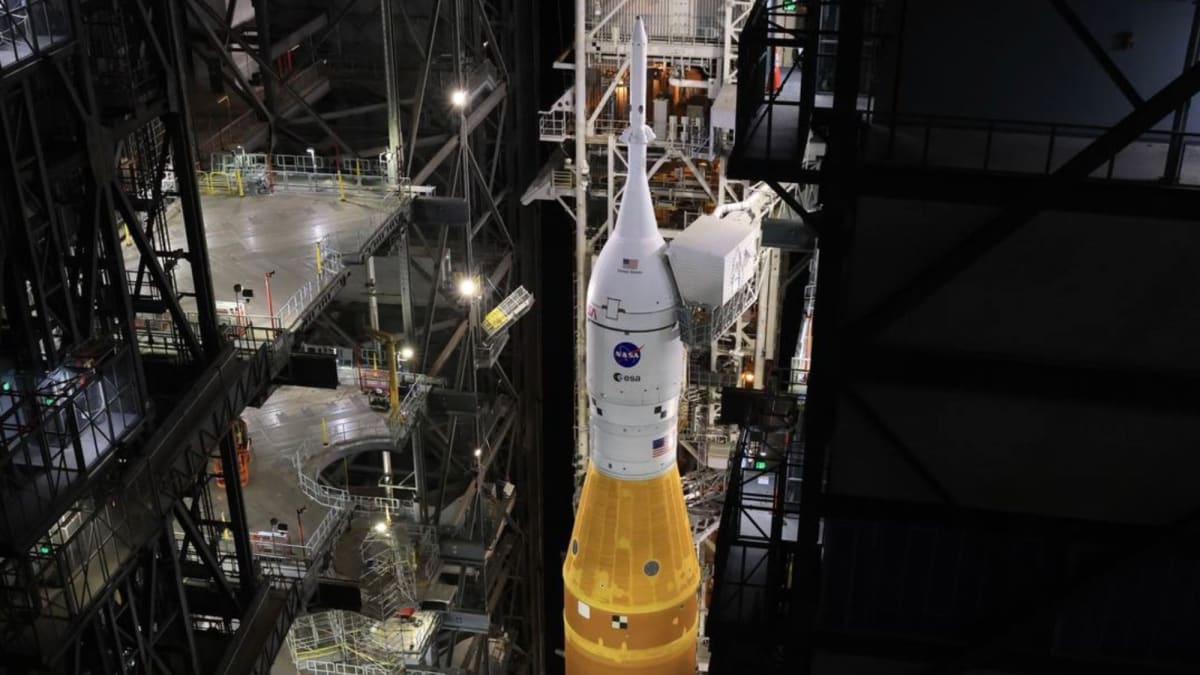
After completing critical repairs inside Florida's Vehicle Assembly Building, NASA announced that Artemis 2 is ready for its April 1 launch date. The Space Launch System rocket will carry NASA astronauts Reid Wiseman, Victor Glover, Christina Koch, and Canadian astronaut Jeremy Hansen on a 10-day journey around the moon and back.
The mission faced a brief setback when engineers discovered a helium flow disruption in the rocket's upper stage after a successful fueling test in February. NASA rolled the massive rocket back to its hangar on February 25 to fix the problem.
The culprit was a quick-disconnect seal where fuel transfers from the launch tower into the rocket. Engineers designed, tested, and installed a new seal in record time, clearing the way for the April launch window.
"When we tank the vehicle the very next time, I would like it to be on a day that we could actually launch," said Lori Glaze, NASA's acting associate administrator for Exploration Systems Development. The team completed two successful fueling tests and decided a third wasn't needed, preserving the rocket's tank integrity for launch day.
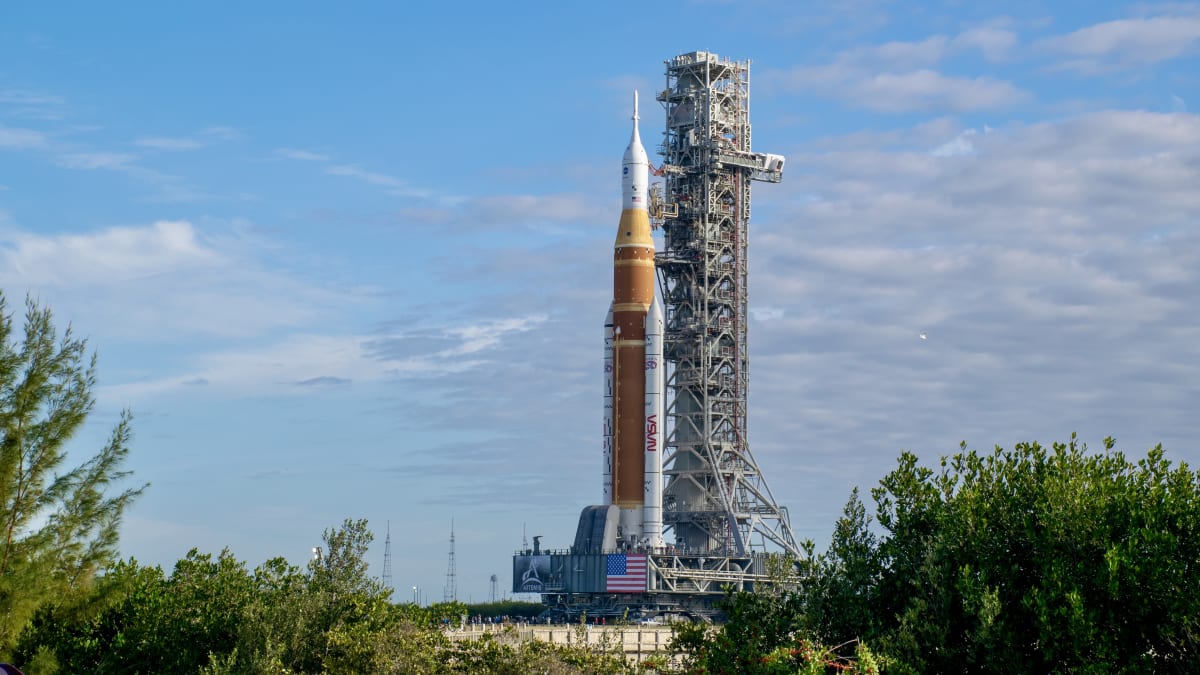
The rocket will roll out to Launch Complex 39B at Kennedy Space Center on March 19. From there, the countdown begins toward a moment that seemed impossible just decades ago.
The Ripple Effect
Artemis 2 represents more than a nostalgic return to moon exploration. It's the critical second step in NASA's Artemis program, which aims to establish a permanent human presence on and around the moon.
The first Artemis mission launched an uncrewed Orion capsule in November 2022, successfully testing the spacecraft's systems in lunar orbit. Now, Artemis 2 will verify that Orion can safely support humans in deep space, paving the way for moon landings on future missions.
The knowledge and experience gained from these lunar missions will serve an even bigger purpose. NASA plans to use what it learns to establish a crewed outpost on Mars in the 2040s, extending human civilization beyond Earth for the first time.
This mission also marks important milestones for representation. Victor Glover will be the first person of color to travel to the moon, while Christina Koch will be the first woman, and Jeremy Hansen will be the first Canadian.
After months of meticulous problem-solving and safety reviews, the dream of returning humans to the moon is just weeks away from becoming reality.
More Images


Based on reporting by Space.com
This story was written by BrightWire based on verified news reports.
Spread the positivity!
Share this good news with someone who needs it