NASA's New $4.3B Telescope Launches This Weekend
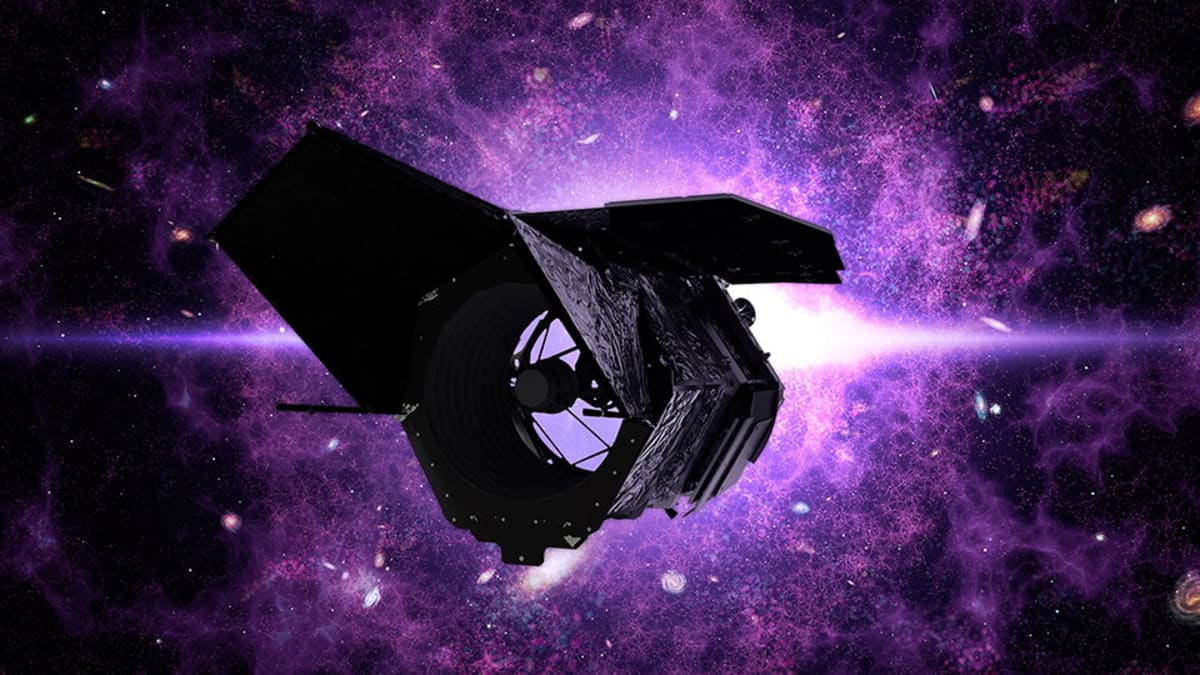
A space telescope with an unusual origin story is about to revolutionize astronomy. The Nancy Grace Roman Space Telescope, built from a repurposed spy satellite, launches August 30 to unlock mysteries of dark energy and discover thousands of new planets.
NASA is turning a secret surveillance satellite into a window to the cosmos, and the view could change everything we know about the universe.
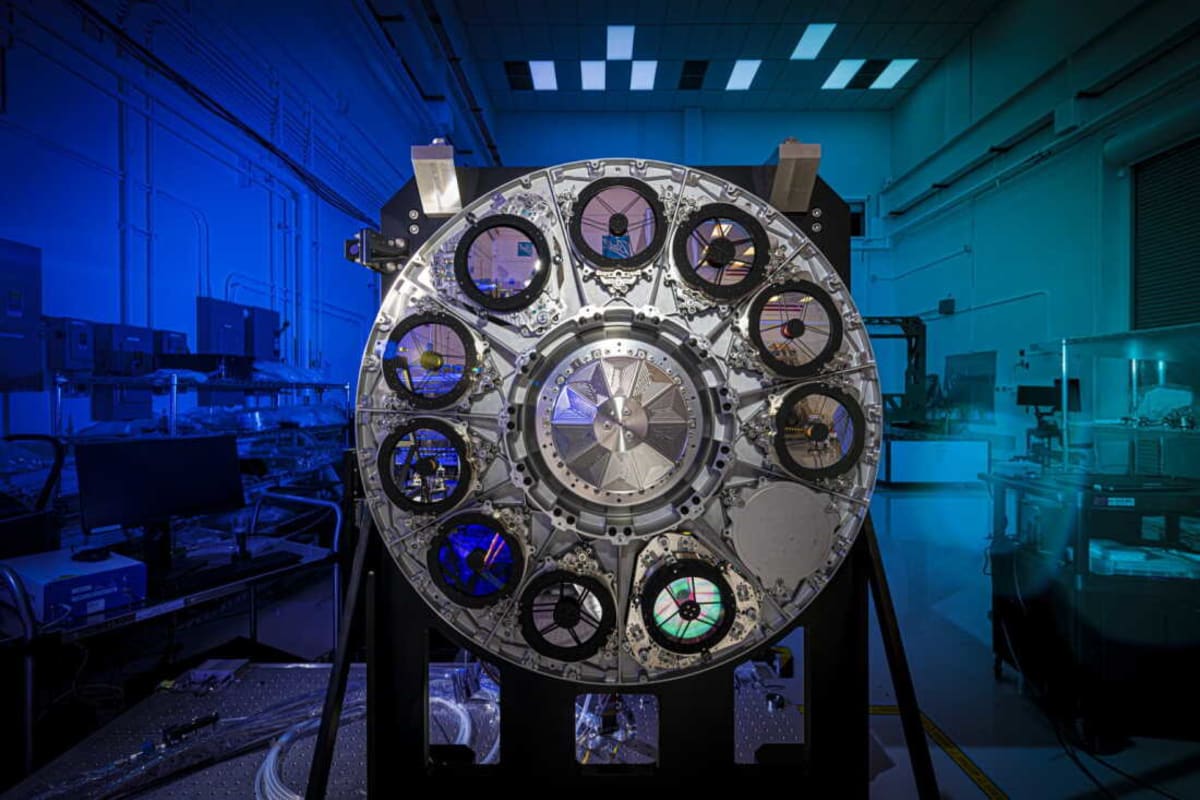
The Nancy Grace Roman Space Telescope launches August 30 with a mission to answer some of astronomy's biggest questions. Named after NASA's first chief astronomer, this $4.3 billion observatory has one of the most unexpected origin stories in space exploration.
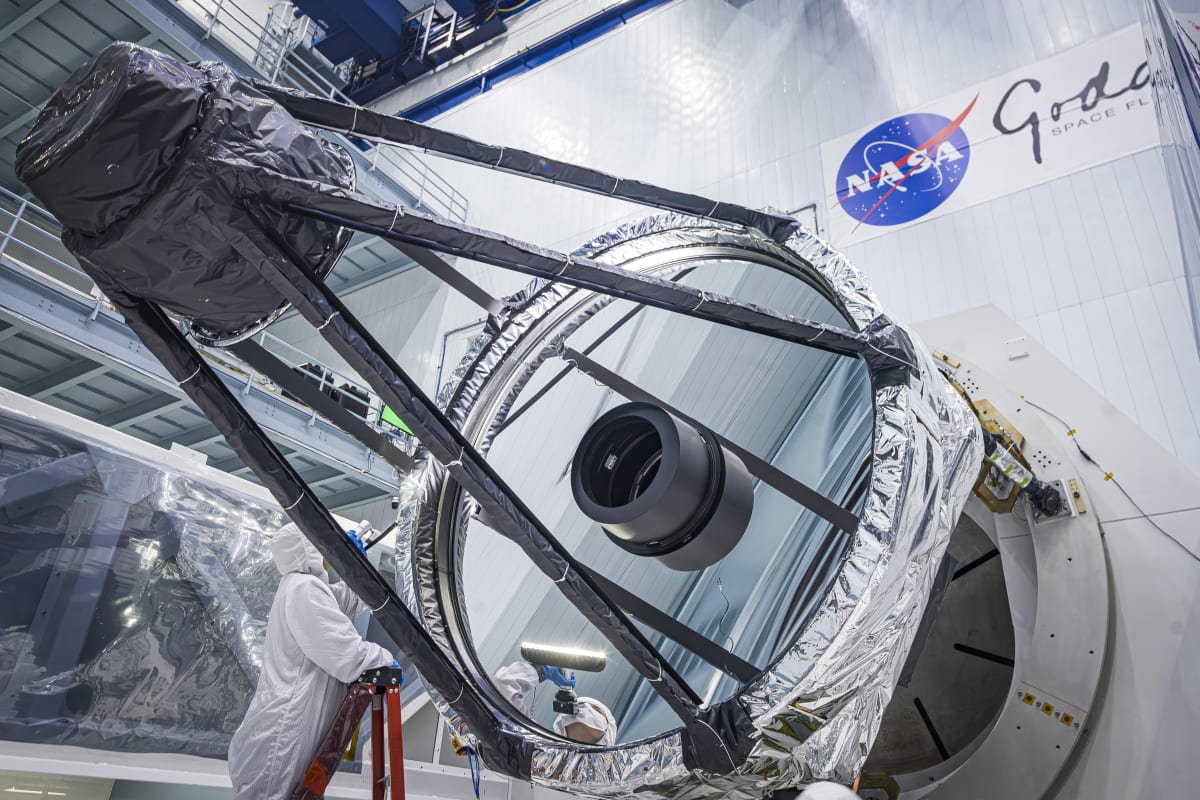
About 15 years ago, NASA was planning a telescope to hunt for exploding stars and study dark energy, the mysterious force making our universe expand faster than it should. Then the National Reconnaissance Office called with an unusual offer: they had a spy satellite sitting unused in a hangar, and wondered if NASA could point it up instead of down.
NASA said yes. After substantial modifications, that old spy satellite is now ready to peer deep into space.
The telescope works much faster than its famous cousin, Hubble. What would take Hubble a century to observe, Roman can accomplish in just one month. Project scientist Julie McEnery says the telescope will spend a month surveying all the stars in the Milky Way galaxy, creating massive catalogs of cosmic data.
The speed matters because astronomers want to find more Type 1A supernovas, the exploding stars that helped scientists discover dark energy and win the Nobel Prize in 2011. Cosmologist Daniel Scolnic at Duke University says recent measurements suggest our model of the universe might be wrong, and Roman will settle the question once and for all.
The telescope will also hunt for planets using a technique Albert Einstein described in 1936 but thought would be impractical. Called gravitational microlensing, it detects planets by measuring how they bend starlight passing by. Scott Gauti at The Ohio State University expects Roman to find thousands of planets completely invisible to other detection methods, including worlds similar to Jupiter and Saturn at the center of our galaxy.
The Ripple Effect
Everyone gets access to Roman's discoveries at the same time. High school students in Kentucky will see the data the moment it arrives, just like Princeton professors. This democratization of space science means the next breakthrough could come from anywhere.
Astronomer Wendy Freedman at the University of Chicago points out that new survey capabilities always reveal something unexpected. The most exciting discoveries from Roman might be things scientists haven't even thought to look for yet.
A repurposed spy satellite is about to show us wonders we never imagined existed.
More Images
Based on reporting by Google News - Science
This story was written by BrightWire based on verified news reports.
Spread the positivity!
Share this good news with someone who needs it