NASA Launches Telescope to Hunt Thousands of New Planets
NASA's new Roman Space Telescope lifts off Sunday to discover thousands of distant worlds and solve cosmic mysteries. The powerful observatory will capture Hubble-quality images across an area 200 times wider than ever before.
NASA is about to give humanity an unprecedented window into the universe with the launch of its most ambitious planet-hunting telescope yet.
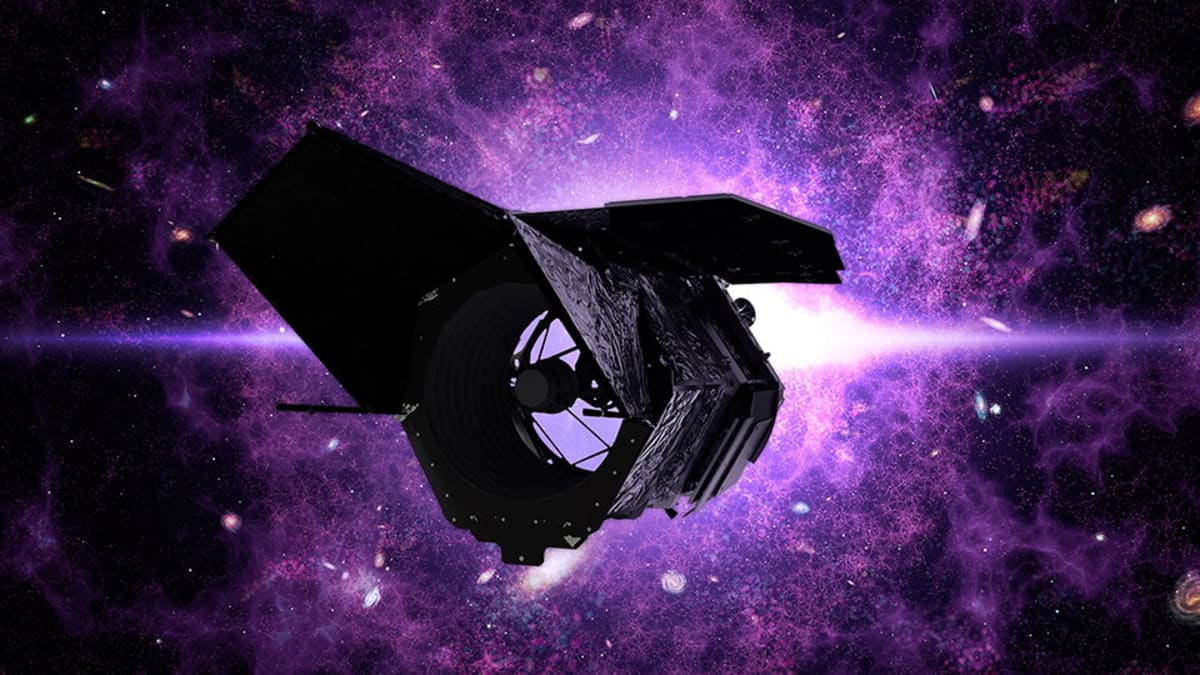
The Nancy Grace Roman Space Telescope launches Sunday morning aboard a SpaceX Falcon Heavy rocket, kicking off a mission that could discover thousands of new worlds beyond our solar system. Named after NASA's first chief of astronomy, the telescope combines cutting-edge technology with a field of view that dwarfs anything astronomers have worked with before.
Here's what makes Roman special: it delivers image quality matching the famous Hubble Space Telescope but captures an area of sky more than 200 times larger in a single shot. That means researchers can survey vast stretches of the cosmos without sacrificing the crystal-clear detail needed to spot distant planets and galaxies.
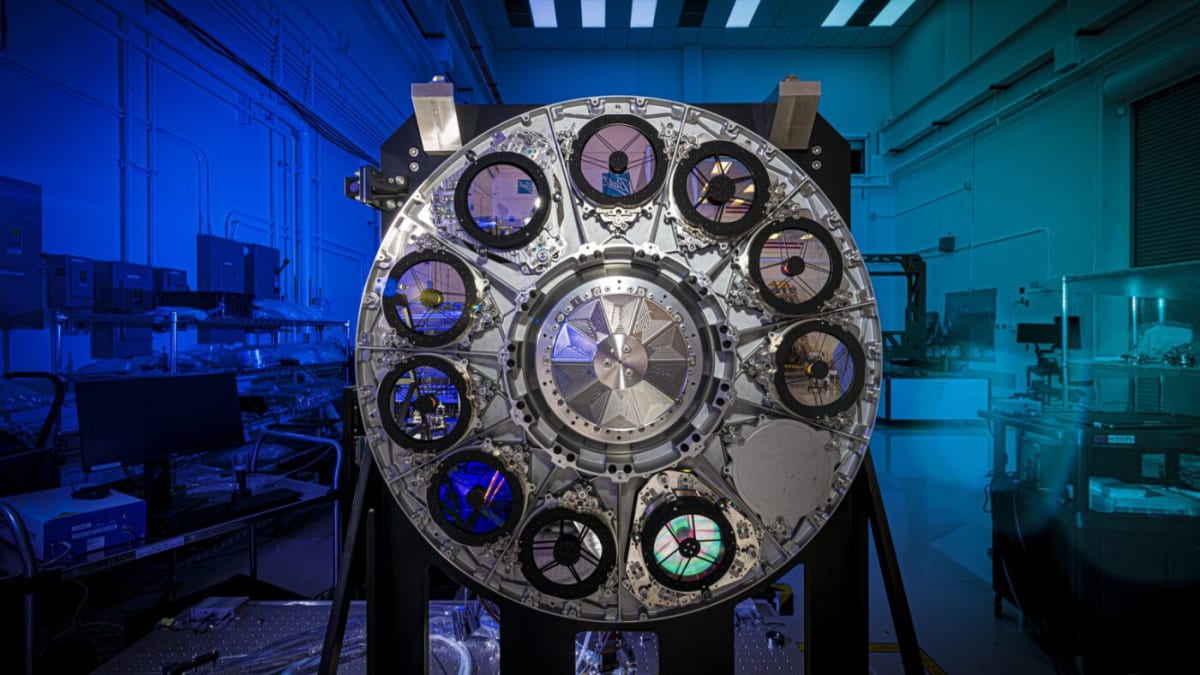
The telescope carries two groundbreaking instruments. Its Wide Field Instrument sports a 300-megapixel infrared camera designed for massive cosmic surveys. Its Coronagraph blocks out the blinding light of distant stars, revealing planets that can be a billion times fainter than the suns they orbit.
Scientists have confirmed about 6,000 planets beyond our solar system so far. Roman could add thousands more to that list, including small worlds that current methods can't detect. The telescope will use gravitational microlensing, watching how gravity bends and magnifies light to reveal hidden planets.
The mission goes beyond planet hunting. Roman will photograph over a billion galaxies, searching for clues about dark matter and dark energy, two mysterious forces that shape our universe but remain poorly understood.
Why This Inspires
The telescope demonstrates technology that will power future observatories, including NASA's planned Habitable Worlds Observatory. Each discovery Roman makes brings us closer to answering fundamental questions about our place in the cosmos and whether life exists beyond Earth.
Julie McEnery, the mission's senior project scientist, captures the moment perfectly: "We are poised at the brink of unfathomable scientific discovery." With Roman's launch, that discovery begins now.
The technologies tested on this mission will help future telescopes directly image distant planets in even greater detail. If Roman succeeds in capturing the first direct image of a planet with rings around another star, it will mark another historic first in humanity's exploration of the cosmos.
Based on reporting by Google: NASA discovery
This story was written by BrightWire based on verified news reports.
Spread the positivity!
Share this good news with someone who needs it