Scientists Find Life in Bleach-Level Mud Volcanoes
Researchers discovered microbes thriving in seafloor mud so alkaline it matches household bleach, using a groundbreaking fat-detection method when DNA tests failed. This discovery shows life exists in Earth's most extreme environments and opens new ways to search for it.
Deep beneath the Pacific Ocean, life is surviving in conditions that would destroy most living things.
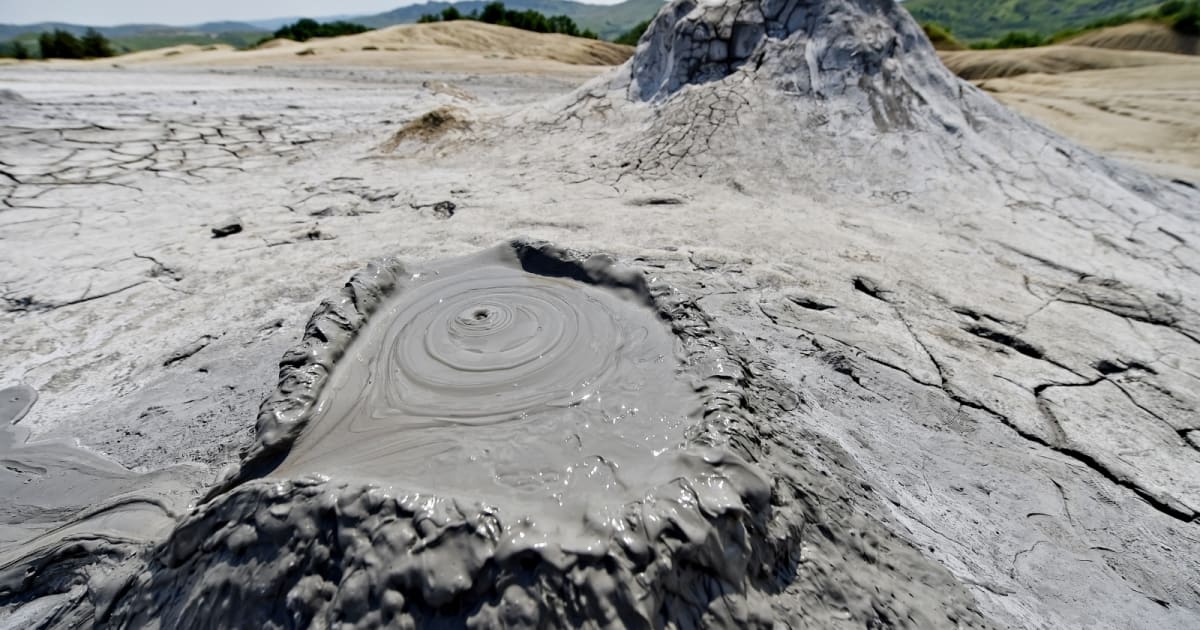
Scientists exploring mud volcanoes near the Mariana Trench found microbes living in sediment with pH 12, roughly as alkaline as household bleach. Led by researcher Palash Kumawat from the University of Bremen, the team made this discovery during a 2022 expedition aboard the German research vessel Sonne.
The finding itself was remarkable, but how they found it might matter even more.
When the researchers tested sediment from two mud volcanoes they named Pacman and Subetbia, standard DNA tests came back empty. The extreme alkalinity had degraded the genetic material, and the microbes were so sparse that conventional methods couldn't detect them at all.
Instead of giving up, the team tried something different. They looked for lipids, the fatty molecules that make up cell membranes, which survive better than DNA in harsh conditions.
It worked. The lipid analysis revealed communities of archaea and bacteria processing methane and sulfate to survive.
These organisms are living at the edge of what's possible. The mud volcanoes form when seawater reacts with mantle rock pushed up from deep underground, creating some of the most alkaline conditions documented anywhere on Earth.
Why This Inspires
This discovery reminds us that life finds a way in the most unexpected places. The microbes in these mud volcanoes have adapted their cell membranes to withstand conditions that would dissolve most living things, switching between different survival strategies depending on what chemical energy is available.
Co-author Florence Schubotz noted that simply proving life can exist under these conditions expands our understanding of what's possible. Some scientists think similar chemical reactions happened on early Earth, meaning these microbes might resemble some of our planet's first inhabitants.
The new detection method gives researchers a crucial tool for exploring other extreme environments. Low-biomass, high-alkalinity settings exist throughout the deep ocean and underground, and DNA-based surveys routinely fail in exactly these conditions.
Now scientists have a second option that doesn't depend on genetic material surviving intact. The technique can even distinguish between microbes alive today and fossil traces from ancient communities in the same sample, something DNA testing alone cannot do.
From the deepest trenches to potentially icy moons elsewhere in our solar system, this work shows that the places we thought were too extreme for life might just need a different way of looking.
More Images

Based on reporting by Google News - Researchers Find
This story was written by BrightWire based on verified news reports.
Spread the positivity!
Share this good news with someone who needs it