Student Finds Lost Maya City on Google Page 16
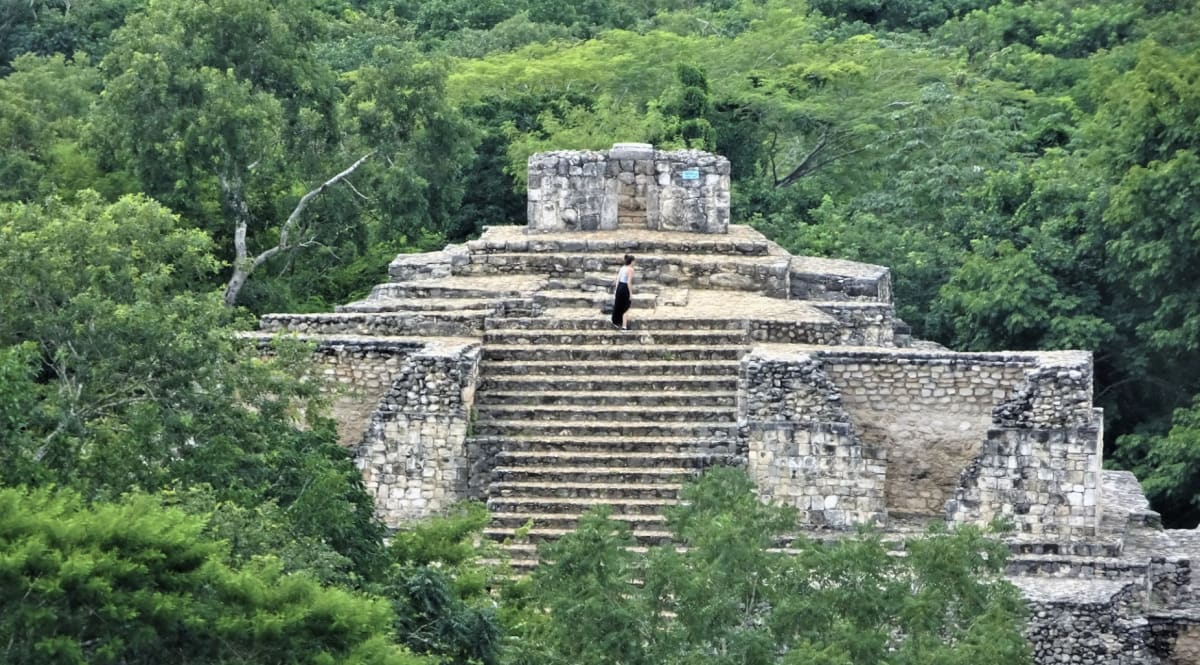
A PhD student scrolling through Google search results stumbled upon laser data that revealed an entire ancient Maya city hidden beneath Mexican jungle for over a thousand years. The discovery shows countless more lost cities may be waiting in overlooked online files.
Luke Auld-Thomas was doing what most of us do when we can't find what we need: clicking deeper and deeper into Google search results. By page 16, the Tulane University PhD student found something nobody expected—an entire lost Maya city.
The data came from a laser survey conducted by a Mexican environmental organization. They had flown over the jungle in Campeche, Mexico, using LiDAR technology to monitor forests, completely unaware they were recording ancient pyramids, sports fields, and thousands of structures hidden beneath the trees.
LiDAR works by firing laser pulses from planes to measure distances to the ground. When researchers digitally remove the tree canopy from the data, they can see what's underneath. In this case, it was a sprawling urban center that once housed up to 50,000 people.
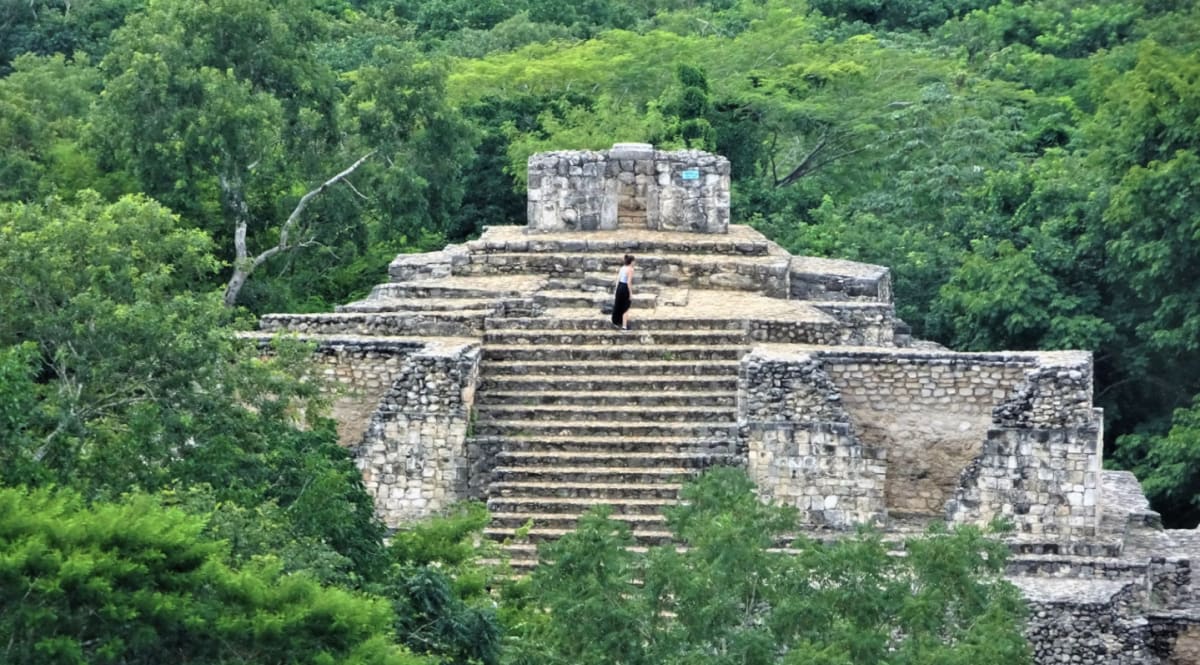
Auld-Thomas and his fellow researchers named the city Valeriana, after a nearby lagoon. Between 750 and 850 AD, more people lived there than live in that region today. The city's density ranks second only to Calakmul, the largest known Maya site in Latin America just 100 kilometers away.
What makes this discovery remarkable is that nobody had to trek through jungle or dig for years. The data was just sitting online, waiting for someone curious enough to keep clicking.
Professor Marcello Canuto, who co-authored the research, said the find challenges old assumptions that tropical regions couldn't support complex civilizations. The opposite was true—these environments hosted sophisticated, densely populated urban centers.
Across three jungle sites the team surveyed, they identified over 6,674 buildings. As far as anyone knows, no researcher has visited Valeriana in person yet. The city remains exactly as it has been for centuries, known only through laser points on a screen.
The Ripple Effect
This discovery is part of a revolution in archaeology. LiDAR has been rewriting our understanding of ancient civilizations for over a decade. Researchers used the same technology to find massive networks around Angkor in Cambodia in 2013 and more than 60,000 structures in Guatemala's jungle in 2018.
Professor Elizabeth Graham from University College London noted that landscapes we think are wild and uninhabited were actually densely settled in the past. We just couldn't see it until now.
Canuto hopes to double the amount of ground covered by LiDAR mapping over the next 10 to 20 years. There are almost certainly more hidden cities out there, waiting in overlooked datasets and forgotten files.
The next major archaeological discovery might not require a machete or a shovel—just someone willing to scroll a little further than everyone else.
More Images


Based on reporting by Upworthy
This story was written by BrightWire based on verified news reports.
Spread the positivity!
Share this good news with someone who needs it

%2Fhttps%3A%2F%2Ftf-cmsv2-smithsonianmag-media.s3.amazonaws.com%2Ffiler_public%2F4e%2F9f%2F4e9f0fe8-aa48-438a-b88f-3a29cd71107e%2Fhttps___wwwfrontiersinorg_files_articles_1758862_xml-images_fmats-13-1758862-g001.jpeg)