NASA's New Moon Rover Can Drive 100x Farther Than Apollo's
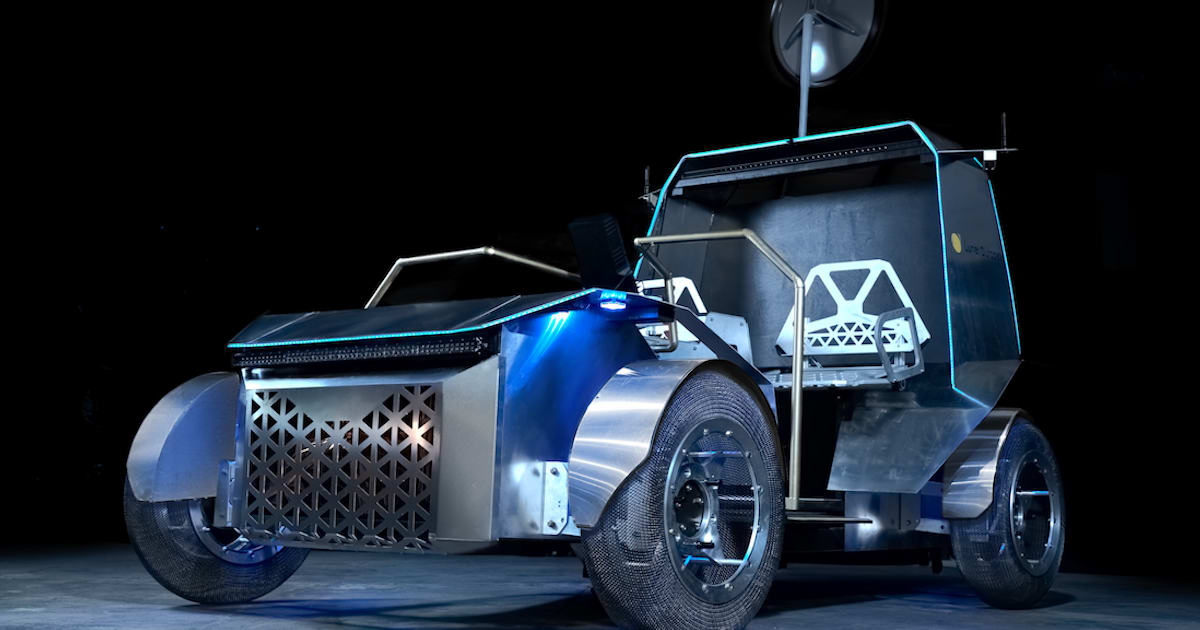
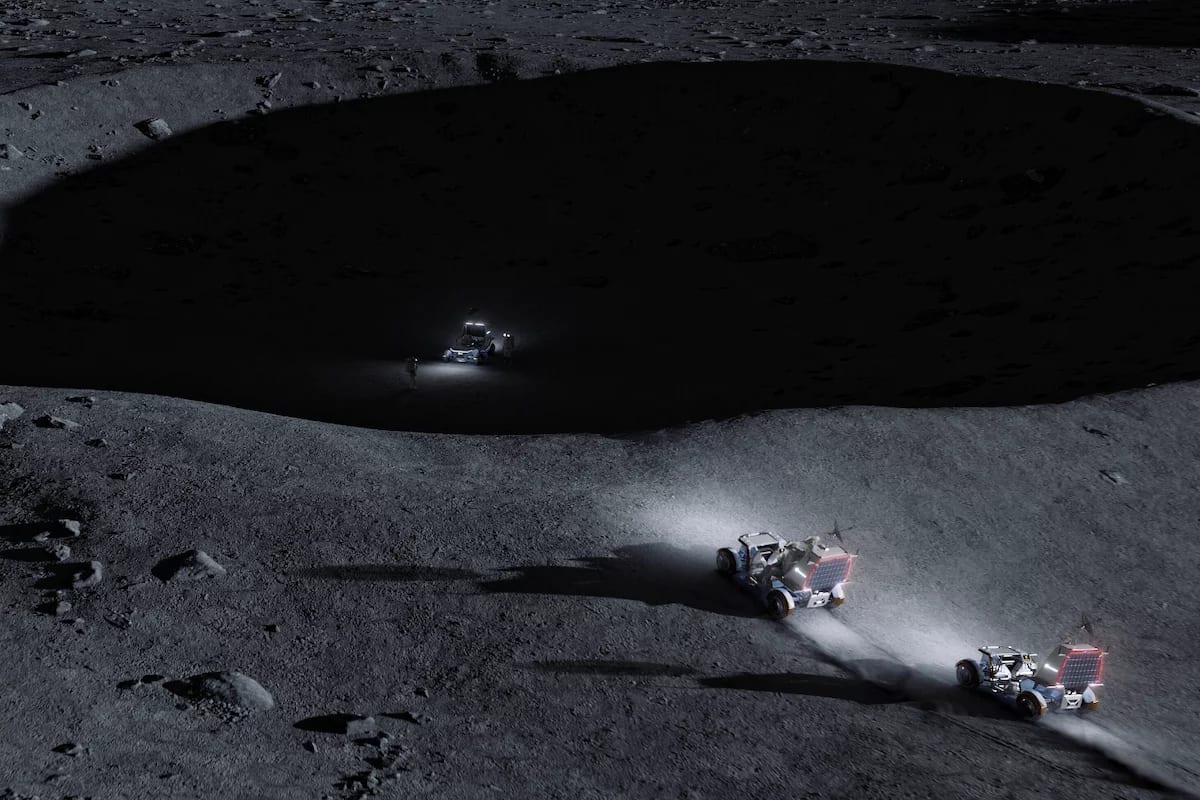
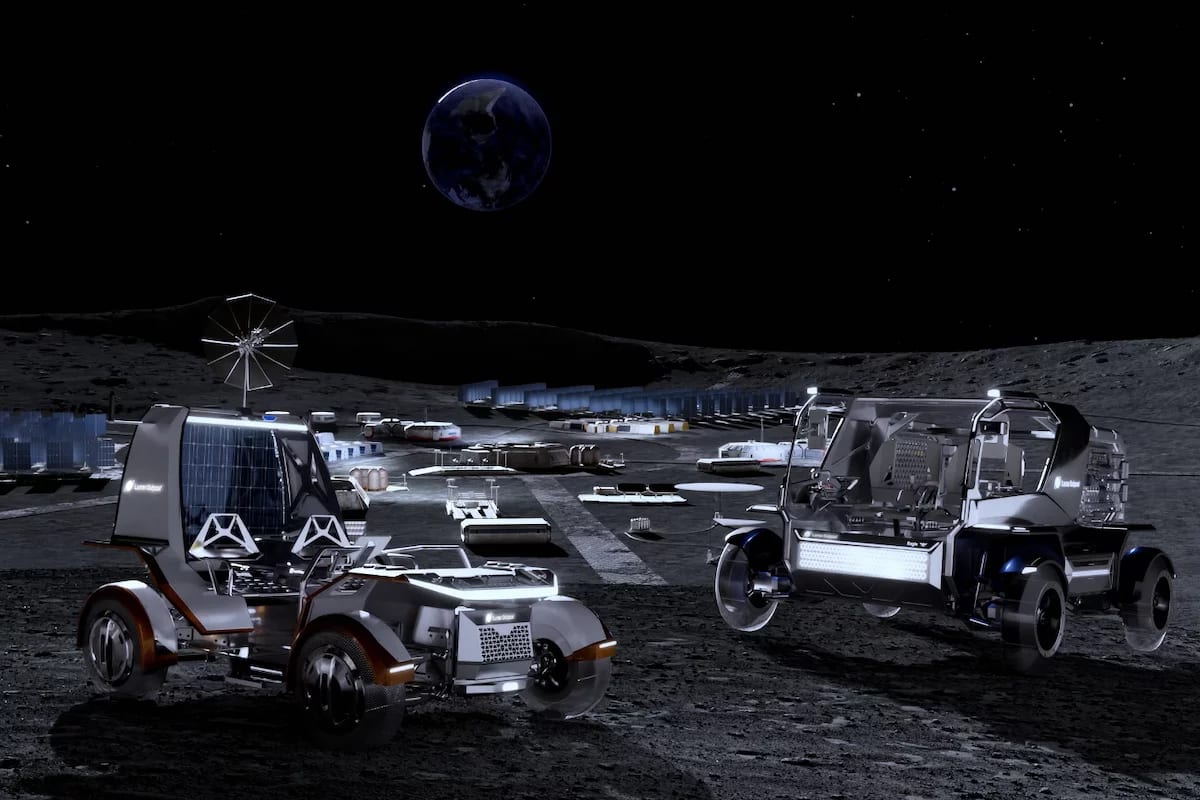
NASA just awarded $220 million to build Pegasus, a next-generation lunar rover that will help astronauts explore hundreds of square miles around the Moon's south pole. The sporty buggy can survive freezing crater temperatures and drive itself when astronauts aren't behind the wheel.
Humanity's return to the Moon just got a major upgrade that would make the Apollo astronauts jealous.
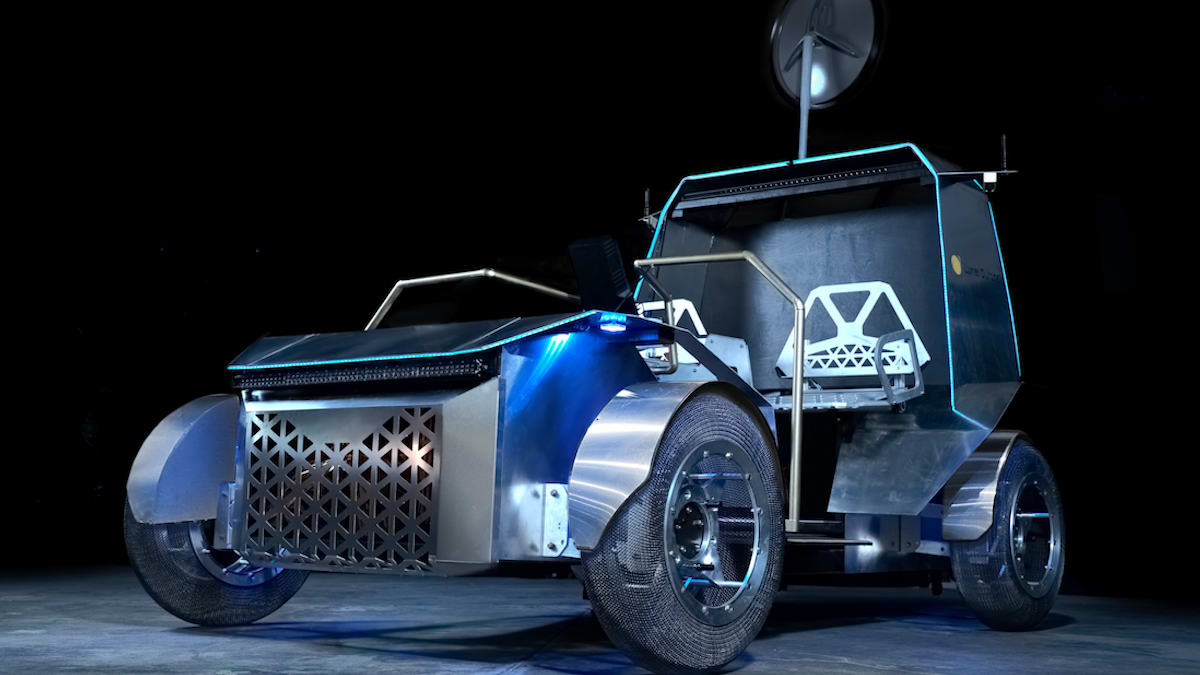
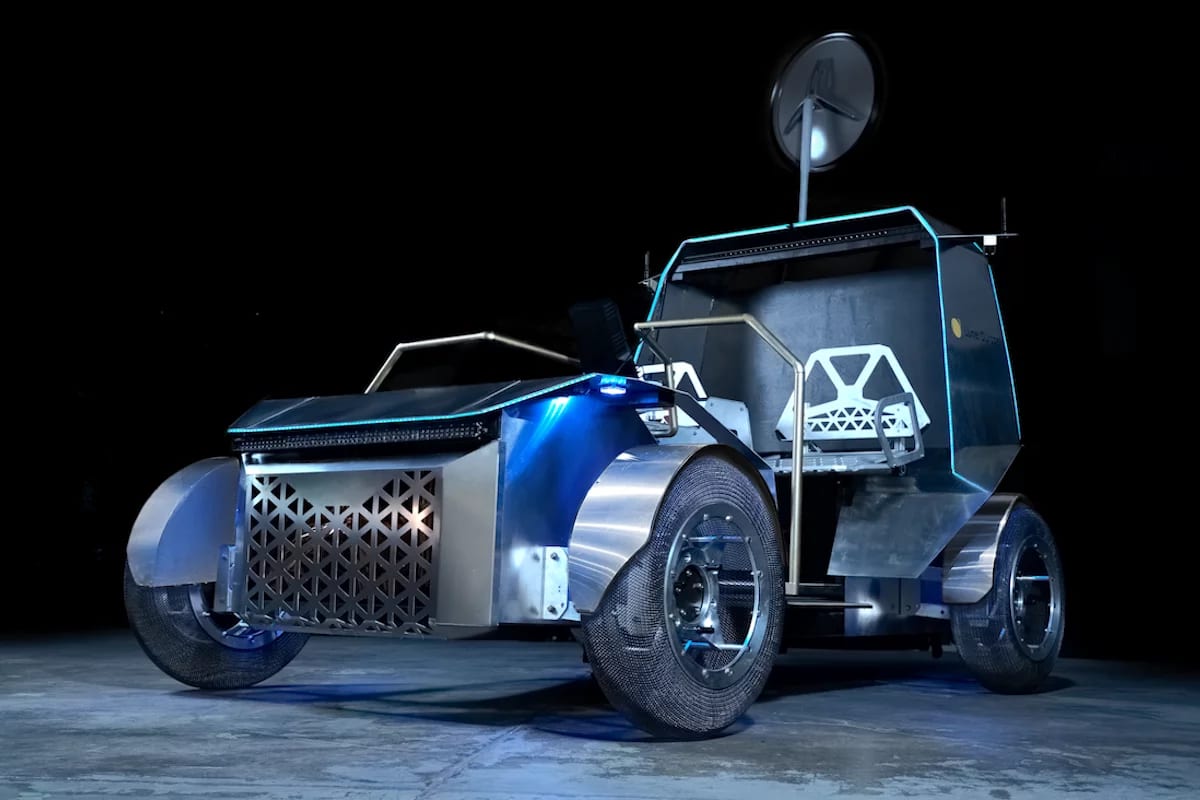
NASA awarded Colorado-based Lunar Outpost $220 million to build Pegasus, a cutting-edge rover designed to carry Artemis astronauts across the rugged terrain of the lunar south pole. Unlike the Apollo-era buggies that drove a combined 56 miles across three missions, Pegasus can traverse 100 times that distance and operate for at least a year.
The stakes couldn't be higher. NASA is racing to build a permanent Moon base covering hundreds of square miles near the south pole, where frozen water ice lies hidden in shadowed craters. These craters present some of the most extreme conditions in the solar system, with temperatures plunging below -410°F and soaring to 250°F on sun-baked surfaces.
"Pegasus will extend the range and duration of human activity on the lunar surface in a way that wasn't possible during Apollo," said AJ Gemer, co-founder and CTO of Lunar Outpost. The company built Pegasus in partnership with GM, Goodyear, and Leidos, drawing on design elements from GM's Hummer EV.
What makes Pegasus truly remarkable is its autonomous thermal management system. The rover can regulate its own temperature while exploring freezing craters, even when astronauts are driving it. It can also navigate independently or be operated remotely from Earth via teleoperation commands.
When NASA suddenly compressed the timeline and changed requirements in May 2026, Lunar Outpost responded in record time. The team used digital twin technology to rapidly design and build two full-scale prototypes, conducting multiple rounds of testing with human astronauts to ensure Pegasus met the new constraints.
The company wasn't starting from scratch. Years of flight heritage from Explorer-class rover missions and extensive autonomy testing gave them a solid foundation to adapt quickly.
The Ripple Effect
Success with Pegasus could transform lunar exploration from brief visits into sustained operations. The rover's ability to survive in permanently shadowed craters means astronauts can finally access and harvest the water ice that space agencies worldwide are counting on.
That water ice isn't just frozen H2O. It represents drinking water, breathable oxygen, and even rocket fuel for future missions deeper into the solar system. Securing this resource could determine whether humanity establishes a lasting foothold on the Moon.
NASA needs the flight-ready Pegasus delivered by November 2027. Blue Origin's Blue Moon Mark 1 lander will then carry it to the lunar south pole, where it will help write the next chapter of human space exploration.
The Moon base of tomorrow is rolling closer to reality, one innovative wheel at a time.
More Images
Based on reporting by New Atlas
This story was written by BrightWire based on verified news reports.
Spread the positivity!
Share this good news with someone who needs it