NASA's New Moon Suit Keeps Astronauts Alive for 8+ Hours
Axiom Space and Prada designed a revolutionary spacesuit that will protect astronauts returning to the Moon in 2028. The new gear features advanced cooling systems, better fit, and life support that works in the coldest lunar conditions.
For the first time in over 50 years, humans are heading back to the Moon, and they're getting a serious wardrobe upgrade.
NASA's Artemis IV mission will land astronauts on the lunar surface in 2028, marking humanity's return since Apollo 17 in 1972. Axiom Space partnered with Prada to design spacesuits that will keep crew members alive in one of the harshest environments imaginable: the Moon's south pole.
Space is unforgiving. Without protection, you'd lose consciousness in 15 seconds and die within minutes. The vacuum would expand air in your lungs, vaporize water in your muscles, and form deadly bubbles in your blood.
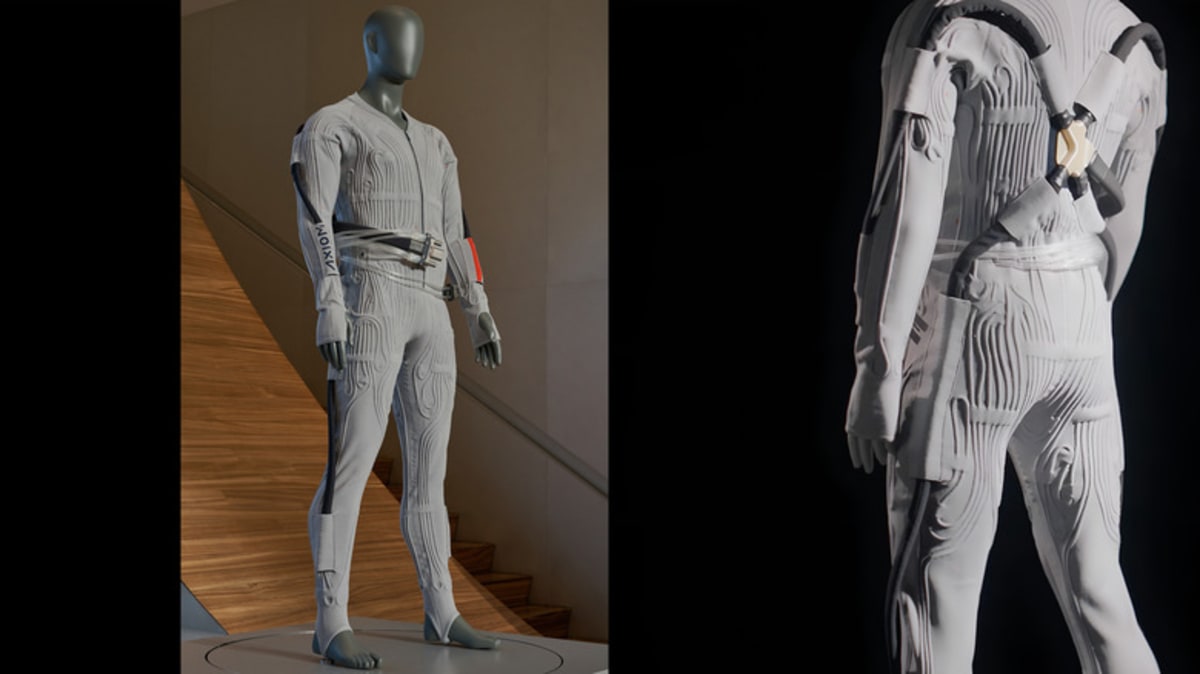
The new suit system starts with a sleek inner layer called the Liquid Cooling and Ventilation Garment. This superhero looking undergarment features intricately woven tubes that circulate cold water across major muscle groups, preventing deadly heatstroke during physically demanding lunar work. It even includes a backup cooling circuit in case the primary system fails.
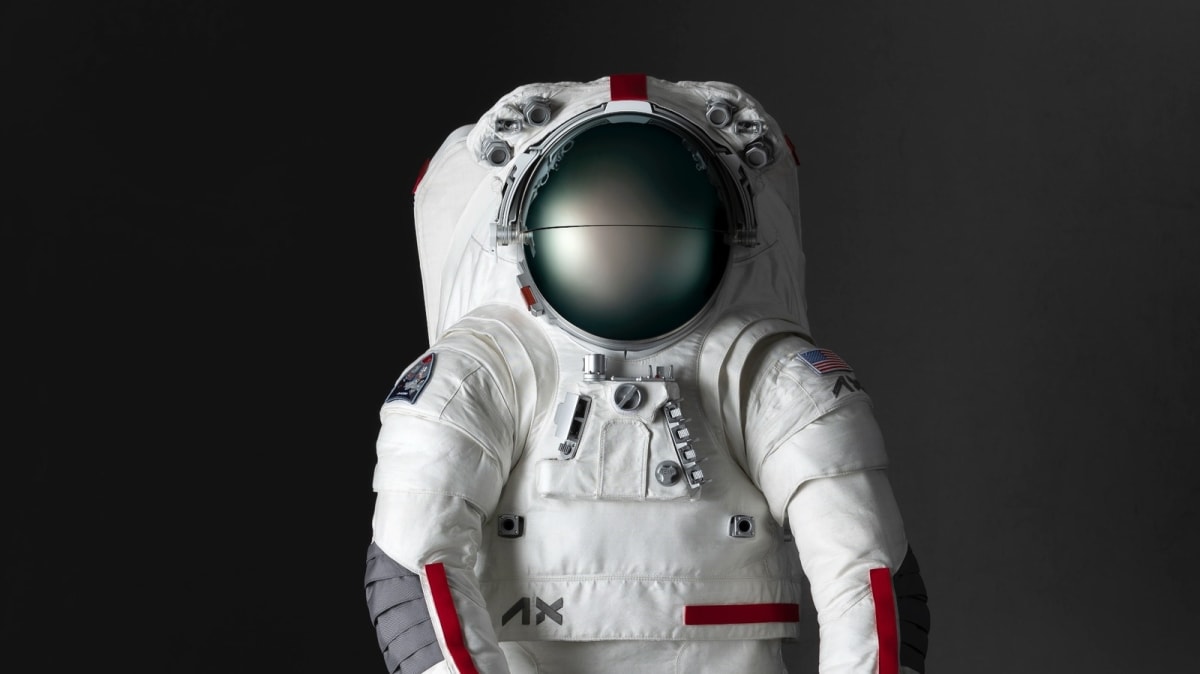
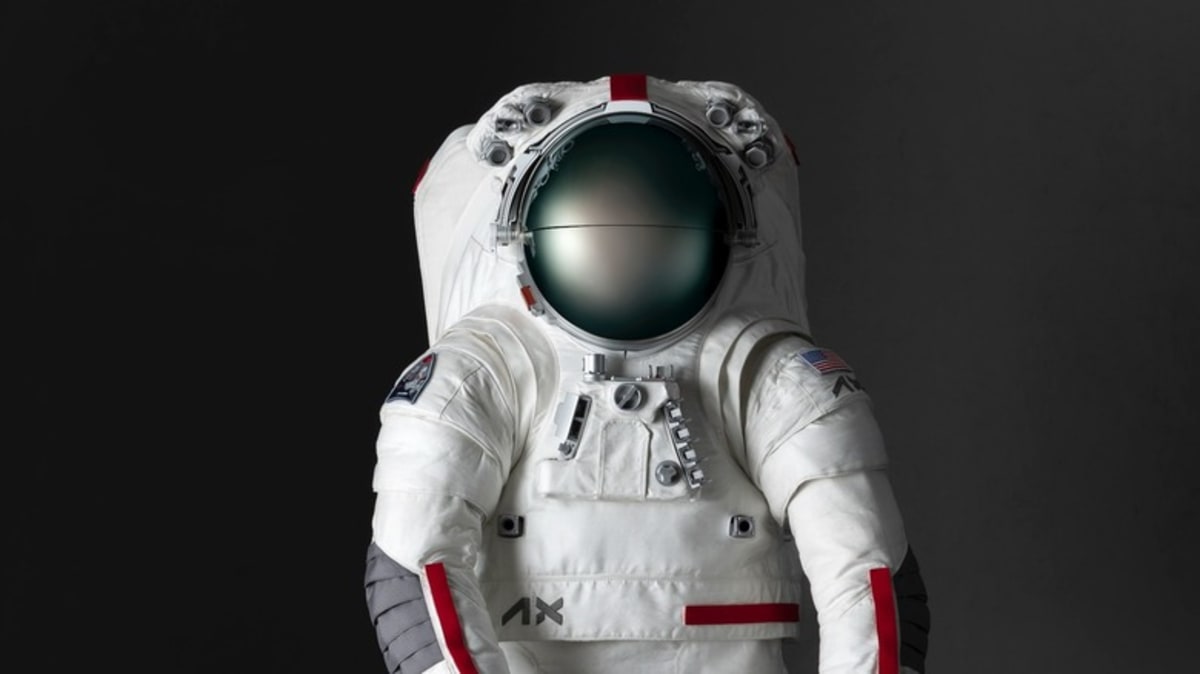
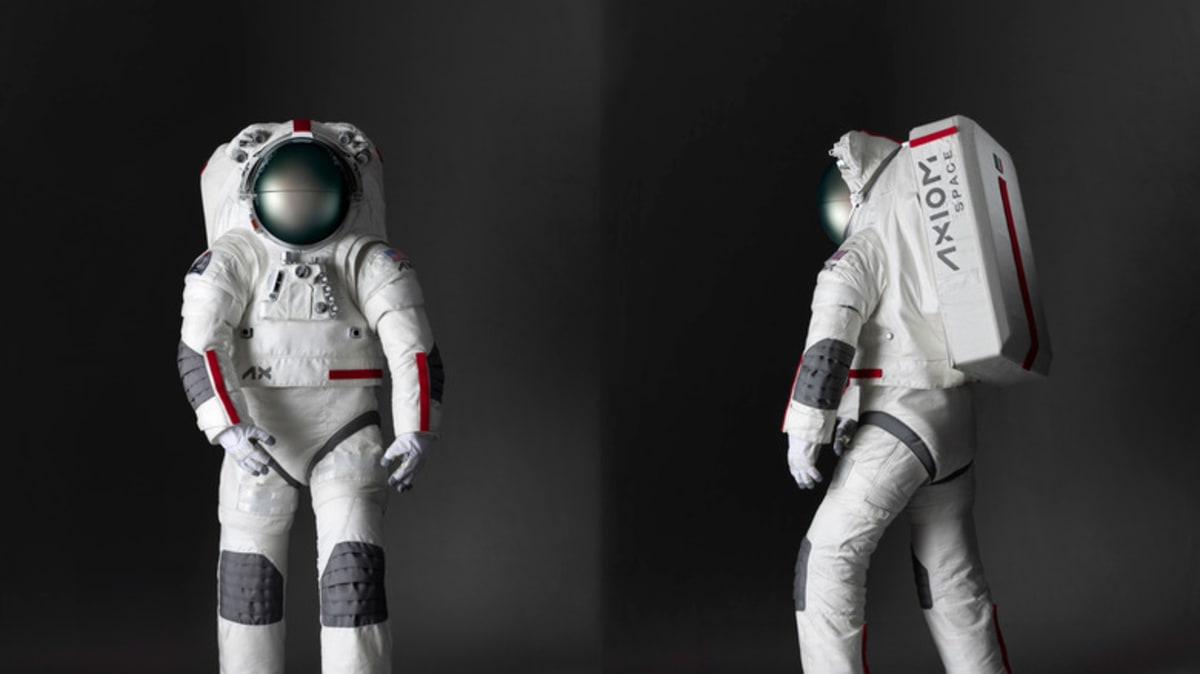
The bulky white outer suit, called the AxEMU, handles pressurization and life support. It maintains safe pressure levels while reflecting solar heat and protecting against fine lunar dust that can damage lungs. Fresh oxygen flows through tubes into the helmet, washing away exhaled carbon dioxide and recirculating breathable air through the backpack mounted life support system.
Prada's engineering expertise in knitting and manufacturing helped create these advanced textiles. The fashion house brought sophisticated fabrication capabilities that made the intricate tube systems possible.
The new suits support body types from the 1st to 99th percentiles for both men and women, a major improvement over custom fitted Apollo era gear. Enhanced helmet coatings improve vision, and newly designed gloves offer better dexterity than current versions. The suits can handle eight hour spacewalks and withstand the extreme cold at the lunar south pole for at least two hours.
Why This Inspires
This mission represents more than technological achievement. After Artemis III tests the suits in near Earth orbit in 2027, Artemis IV astronauts will spend about a week at the Moon's south pole collecting samples and searching for water ice. The inclusive sizing means more people can participate in space exploration, opening doors that were previously closed.
These suits prove that when we combine cutting edge science with innovative partnerships, we can protect human life in the most extreme conditions while expanding who gets to explore our universe.
More Images

Based on reporting by Engadget
This story was written by BrightWire based on verified news reports.
Spread the positivity!
Share this good news with someone who needs it