NASA's New Telescope Maps Sky 1,000x Faster Than Hubble
NASA's Nancy Grace Roman Space Telescope launches in August after 20 years of development, ready to survey the cosmos at speeds never before possible. In its first five years alone, it will discover over 100,000 new planets and billions of galaxies.
After two decades of painstaking work, NASA's most ambitious space telescope is finally ready to unlock mysteries that have puzzled humanity for generations.
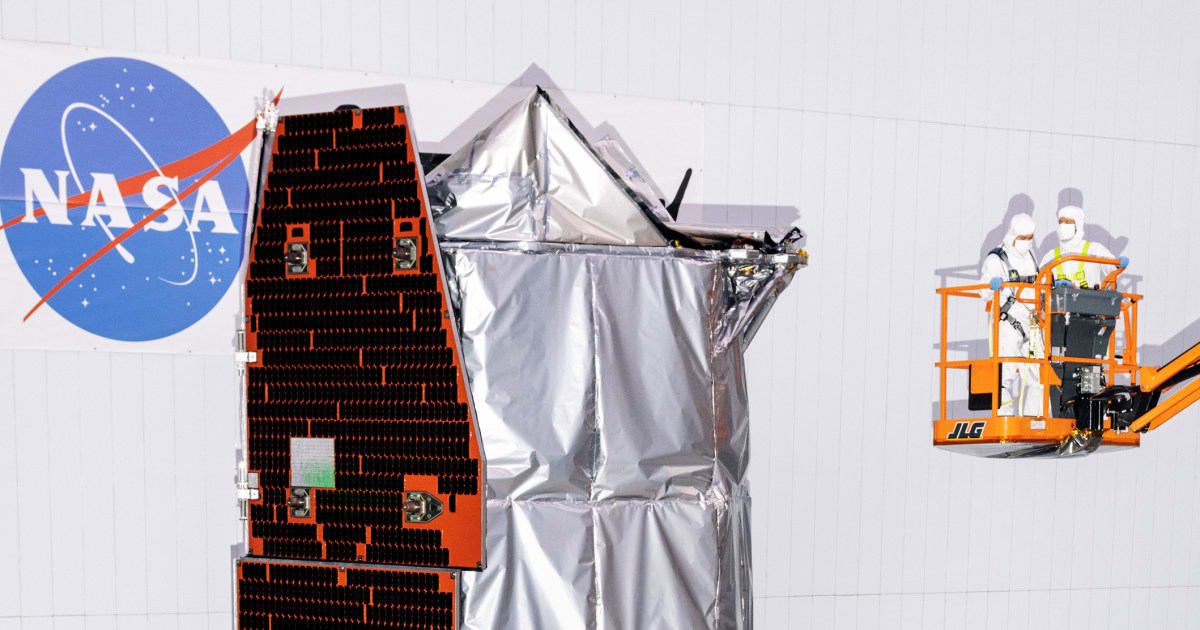
The Nancy Grace Roman Space Telescope launches August 30, 2026, from Kennedy Space Center in Florida. This bus-sized observatory will orbit nearly 1 million miles from Earth, scanning the heavens at a pace that makes the legendary Hubble telescope look slow.
The numbers are staggering. Roman will survey the sky 1,000 times faster than Hubble, capturing images 100 times larger with each snapshot. What would take Hubble a century to observe, Roman will accomplish in just one month.
Julie McEnery, the senior project scientist at NASA's Goddard Space Flight Center, struggled to convey the scale. "If we displayed a single image on 4K TVs, you'd need more than half a million of them," she said. "They would completely cover El Capitan in Yosemite National Park."
The telescope's mission is nothing short of revolutionary. During its first five years, Roman will discover more than 100,000 distant worlds, map hundreds of millions of stars, and catalog billions of galaxies. One survey alone will scan 12% of the entire sky in under 18 months.
Scientists have their sights set on two cosmic mysteries: dark matter and dark energy. Together, these invisible forces shape how galaxies form and how fast the universe expands. Roman's unprecedented field of view will provide the definitive data astronomers need to understand them.
The telescope carries special meaning beyond its scientific power. It's named after Nancy Grace Roman, who became NASA's first chief of astronomy in 1959 and championed space-based observation when others doubted its value.
Why This Inspires
This telescope represents what's possible when hundreds of brilliant minds work together toward a single goal. For $4.3 billion and 20 years of dedication, humanity gets a new set of eyes capable of seeing farther and faster than ever before.
The discoveries waiting in Roman's data could rewrite textbooks and answer questions that have lingered since humans first gazed at the stars. Some of those 100,000 new planets might harbor life. The dark energy findings could reveal the ultimate fate of our universe.
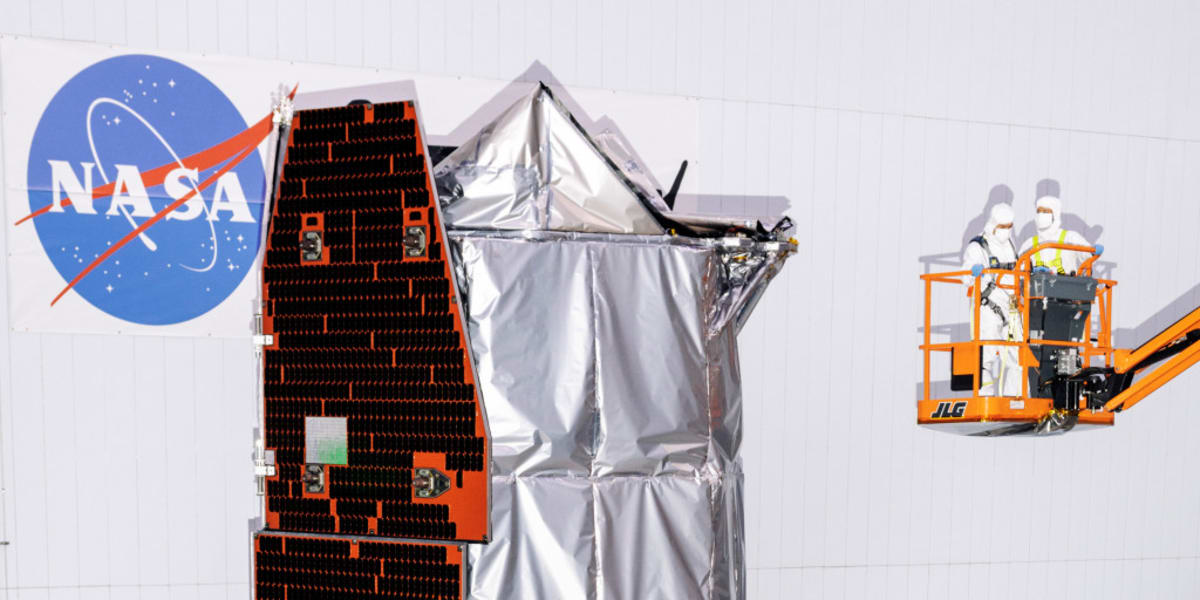
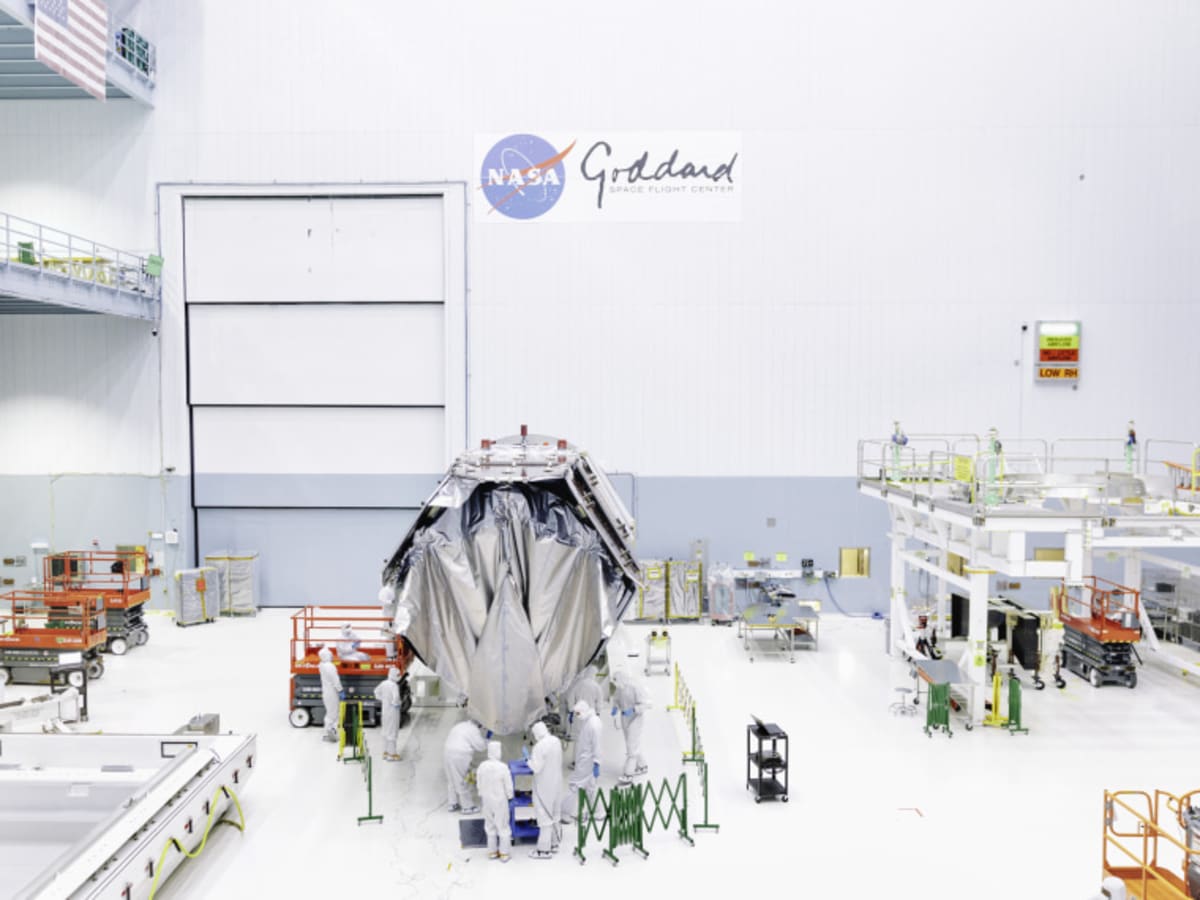
As the telescope left Goddard's clean room for transport to Florida, McEnery pressed her face against the window for one final look. "It's like the kids are going off to college," she said. "It feels almost emotional."
Three months from now, when Roman's rockets ignite, we'll witness the launch of more than just a telescope—we'll see two decades of human ingenuity, perseverance, and hope soaring toward the stars.
More Images


Based on reporting by Google News - Science
This story was written by BrightWire based on verified news reports.
Spread the positivity!
Share this good news with someone who needs it