NASA's Psyche Spacecraft Captures Stunning Mars Crescent Views
On its journey to a metal-rich asteroid, NASA's Psyche spacecraft is treating scientists to rare crescent views of Mars they've never seen before. The mission is turning a routine gravity assist into a treasure trove of scientific discovery.
A spacecraft on a six-year journey to explore a distant asteroid is delivering an unexpected gift: breathtaking new perspectives of Mars that few missions ever capture.
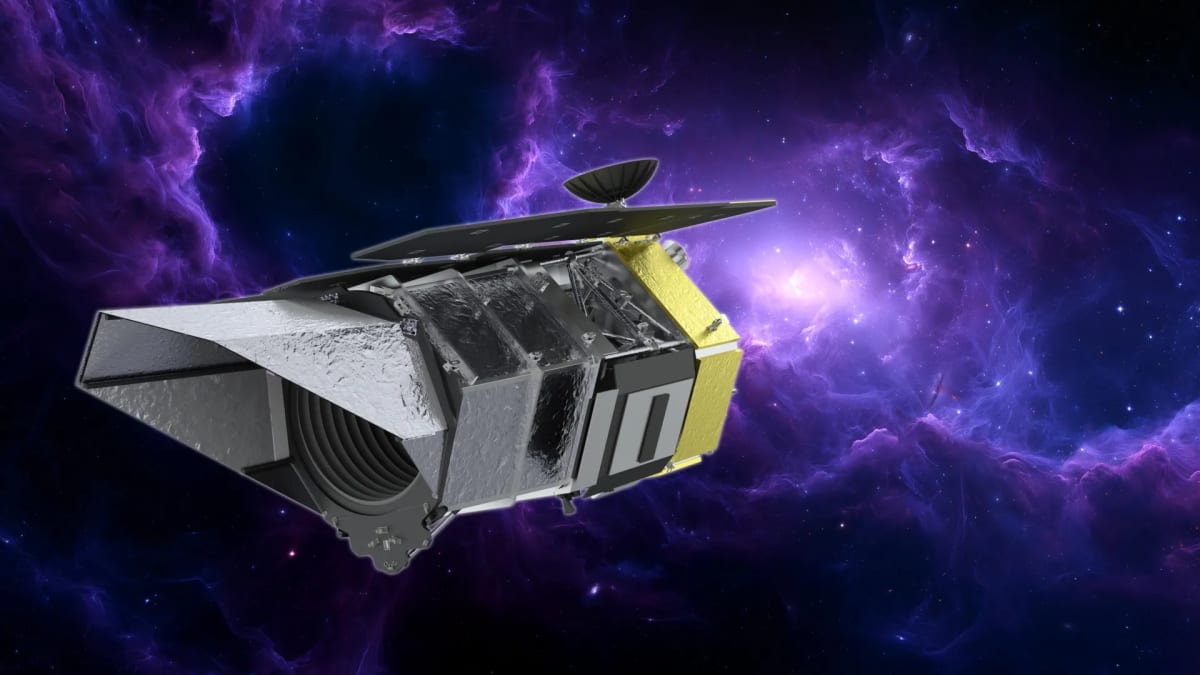
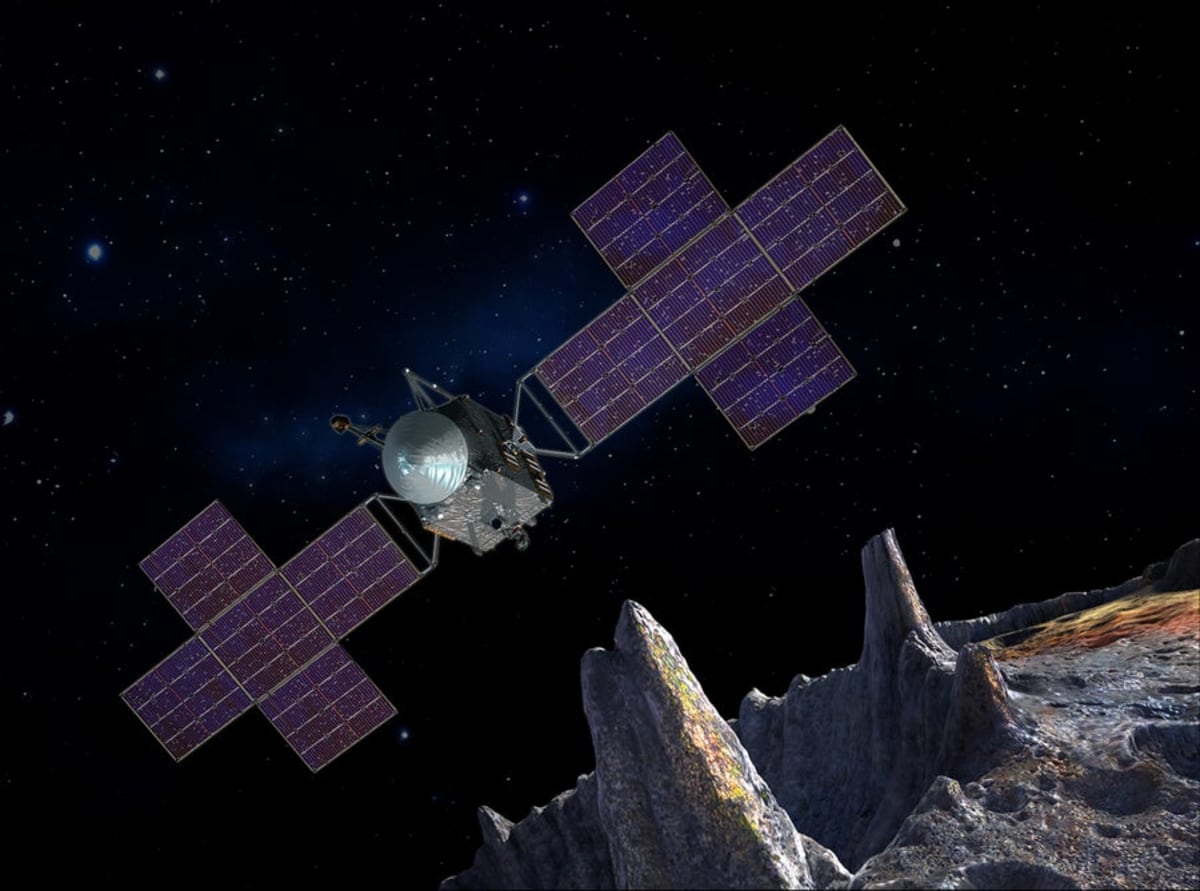
NASA's Psyche spacecraft, launched in 2023, will make its closest approach to Mars this Friday at 3:28 PM EDT, passing just 2,800 miles above the Red Planet's surface. The spacecraft is using Mars' gravity to slingshot itself toward its ultimate destination, a metal-rich asteroid named Psyche, where it will arrive in August 2029.
What makes this flyby special isn't just the science. It's the view.
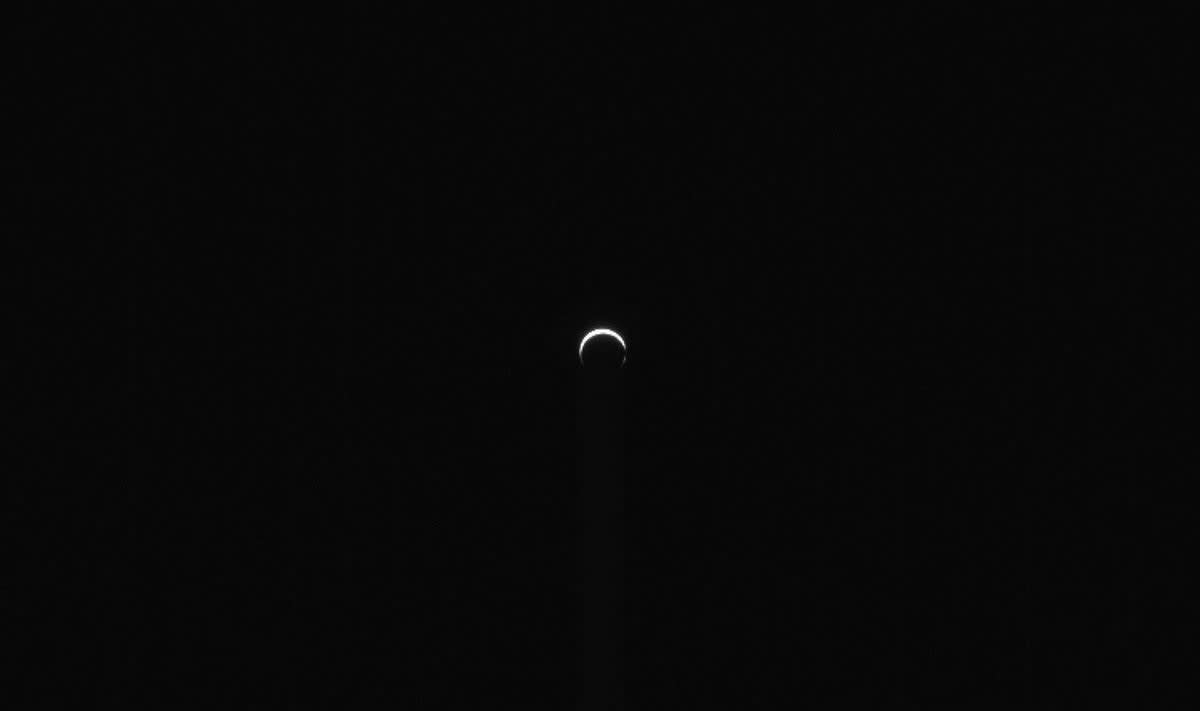
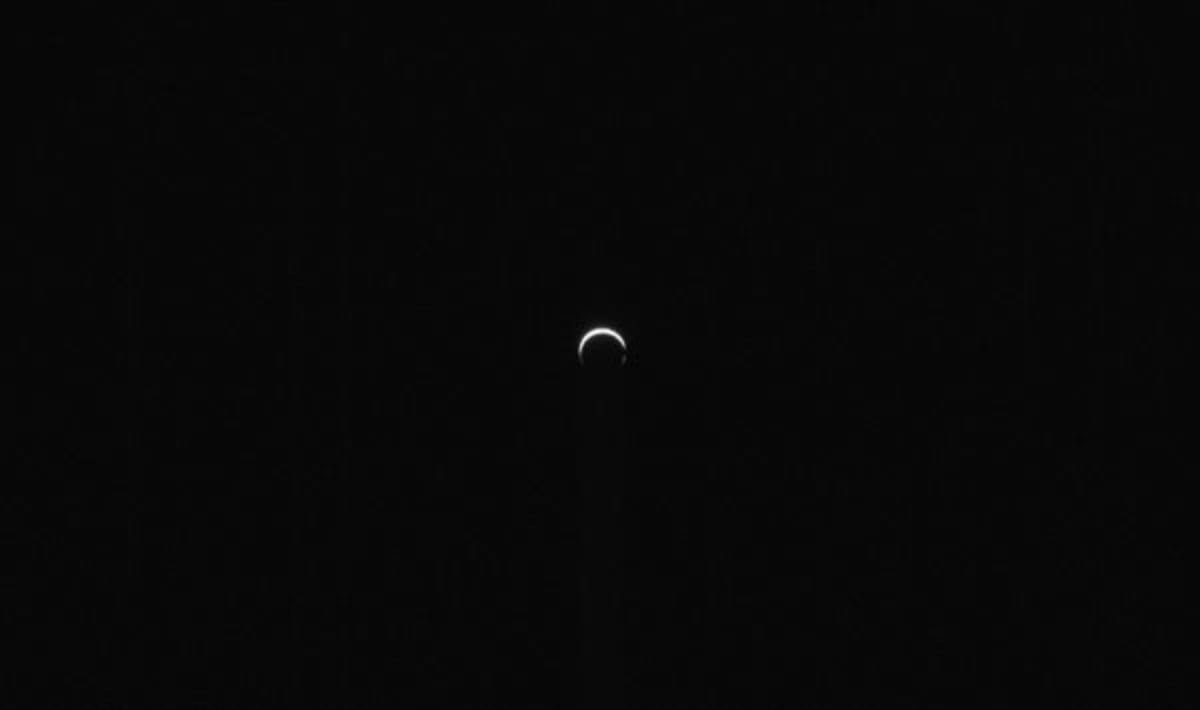
Most Mars missions approach the planet head-on, seeing it fully lit like a full moon. But Psyche's route through the asteroid belt has positioned it to see Mars as a delicate crescent, a perspective rarely afforded to interplanetary voyages. The crescent Mars appears surprisingly bright in Psyche's cameras, with dust in the Martian atmosphere scattering sunlight across the planet.
Scientists spotted something curious near Mars' north pole. A darker region suggests that falling temperatures are causing carbon dioxide to freeze and fall as dry ice snow, pulling atmospheric dust down with it.
The mission team is using this flyby as the ultimate practice run. All of Psyche's instruments are operating during the approach, testing the equipment that will map the asteroid's dark surface in 2029. The spacecraft is even practicing hunting for tiny moons and dust rings, though no one expects to find hidden Martian satellites.
The Ripple Effect
The Mars flyby is creating unexpected collaborations across space missions. Psyche's team is coordinating observations with Mars orbiters that regularly study the Red Planet, comparing data to sharpen their instrument calibration for the asteroid mission ahead.
These combined observations might reveal something new about Mars itself. David Williams, a planetary scientist at Arizona State University and the mission's deputy imager lead, says the spacecraft will capture better images of Mars' surface than the recent Artemis II mission got of the moon. Psyche will soar over craters, plains, dust features, and lava flows before catching a clear view of an ice cap as it departs.
"I think it's lovely to realize that, even with a flyby just for the gravity assist, we can learn things about Mars that we didn't know," says Lindy Elkins-Tanton, principal investigator of the Psyche mission, "even though we think of Mars as so familiar."
The first images from the flyby will be shared with the public starting next week, offering everyone a chance to see the Red Planet through fresh eyes.
More Images


Based on reporting by Scientific American
This story was written by BrightWire based on verified news reports.
Spread the positivity!
Share this good news with someone who needs it