NASA's Roman Space Telescope Launches Sunday Morning
NASA's newest space observatory lifts off this Sunday to map billions of galaxies and unlock mysteries of dark energy and dark matter. The Roman Space Telescope represents a giant leap forward in understanding our universe. #
NASA is about to launch one of its most powerful space telescopes ever built, and it's happening this Sunday morning.
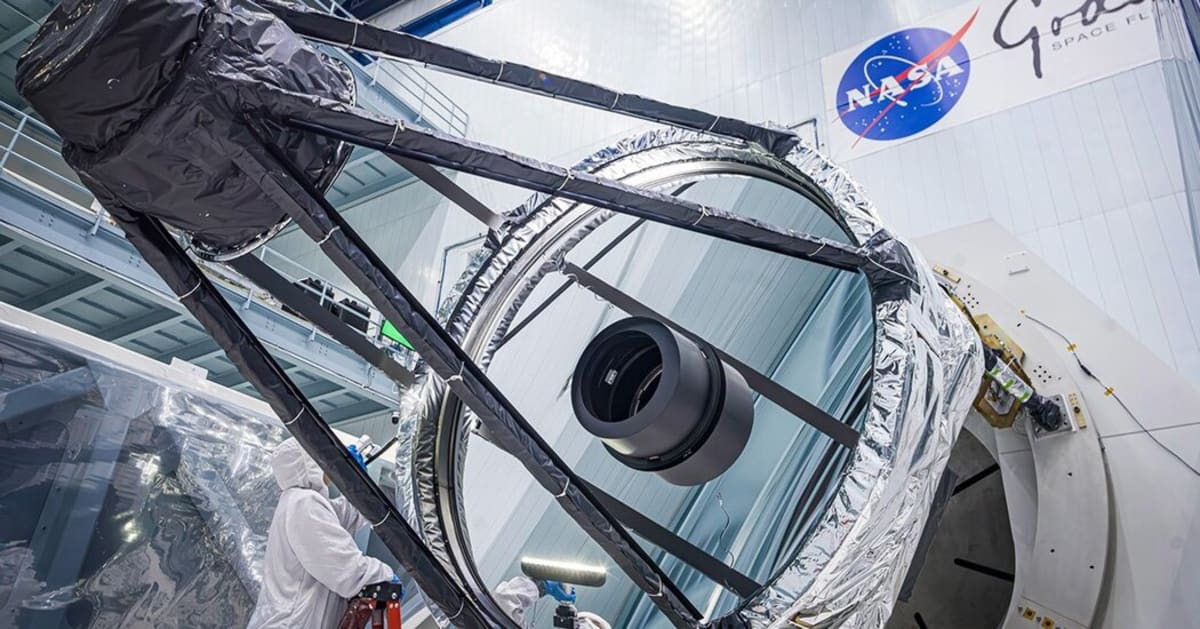
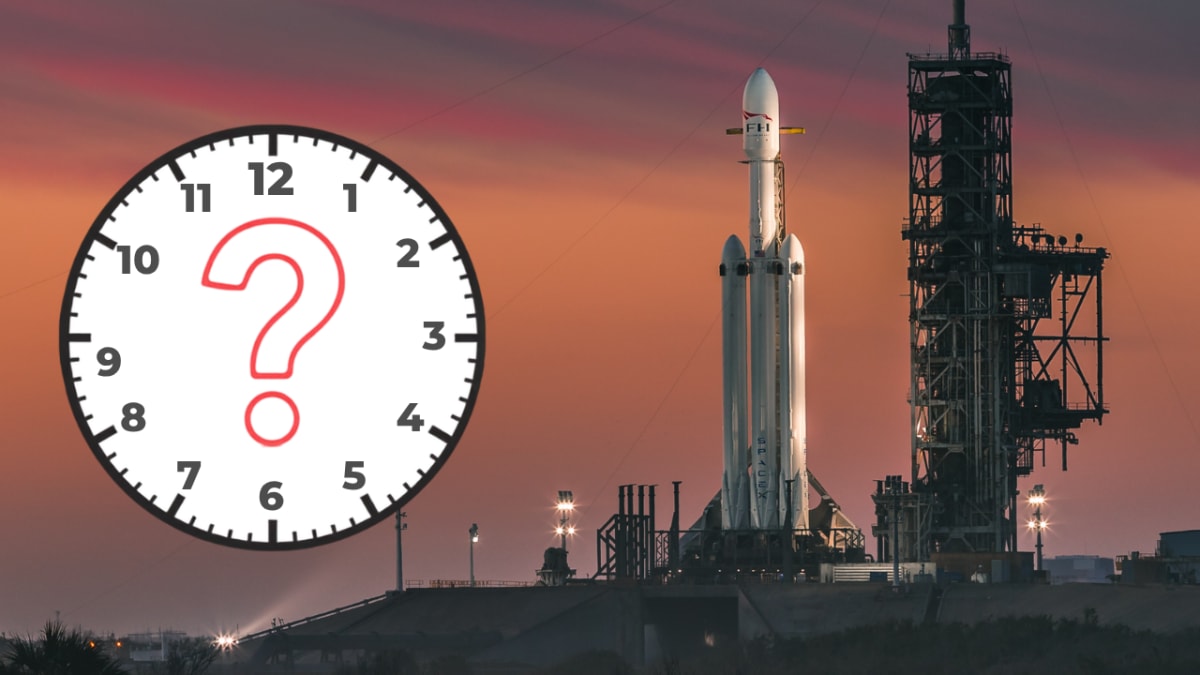
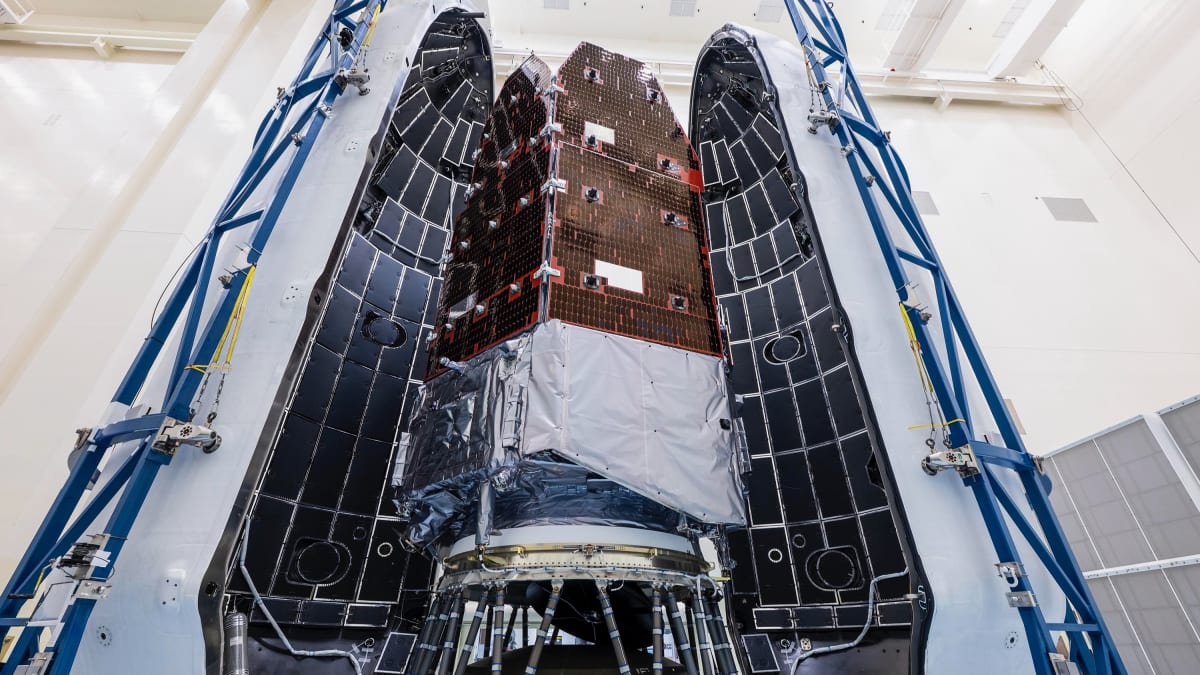
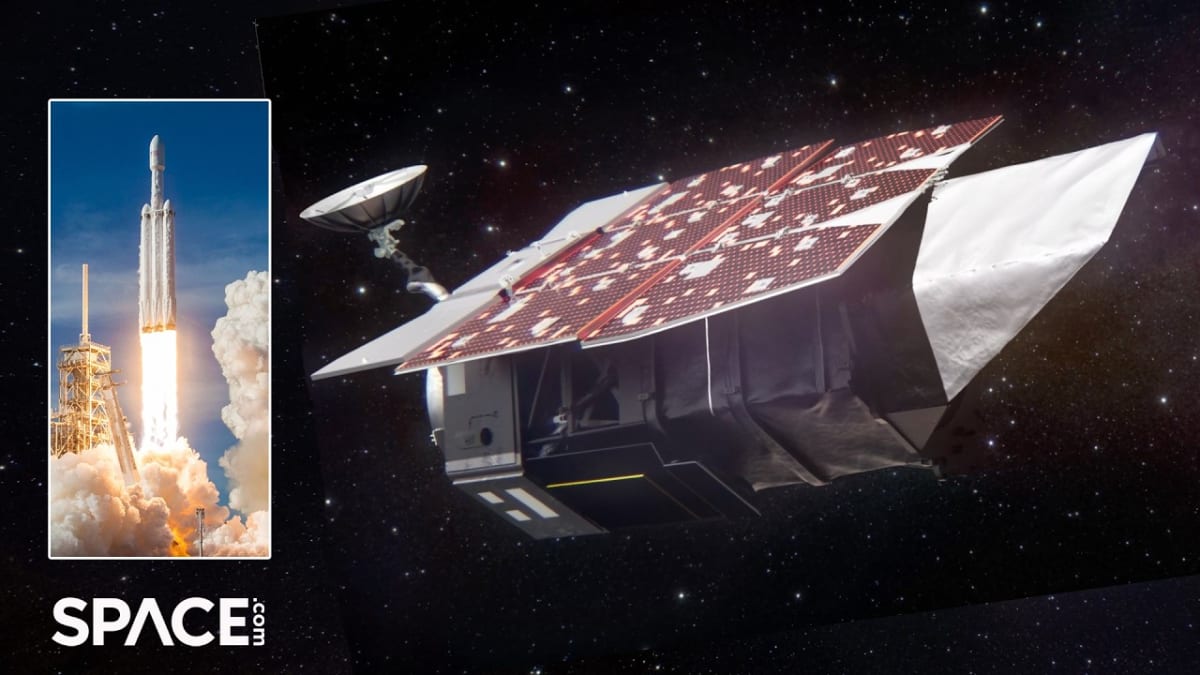
The Nancy Grace Roman Space Telescope will blast off atop a SpaceX Falcon Heavy rocket at 7:26 a.m. EDT on August 30 from Kennedy Space Center in Florida. Named after NASA's first chief astronomer, the telescope will spend years mapping our galaxy in unprecedented detail.
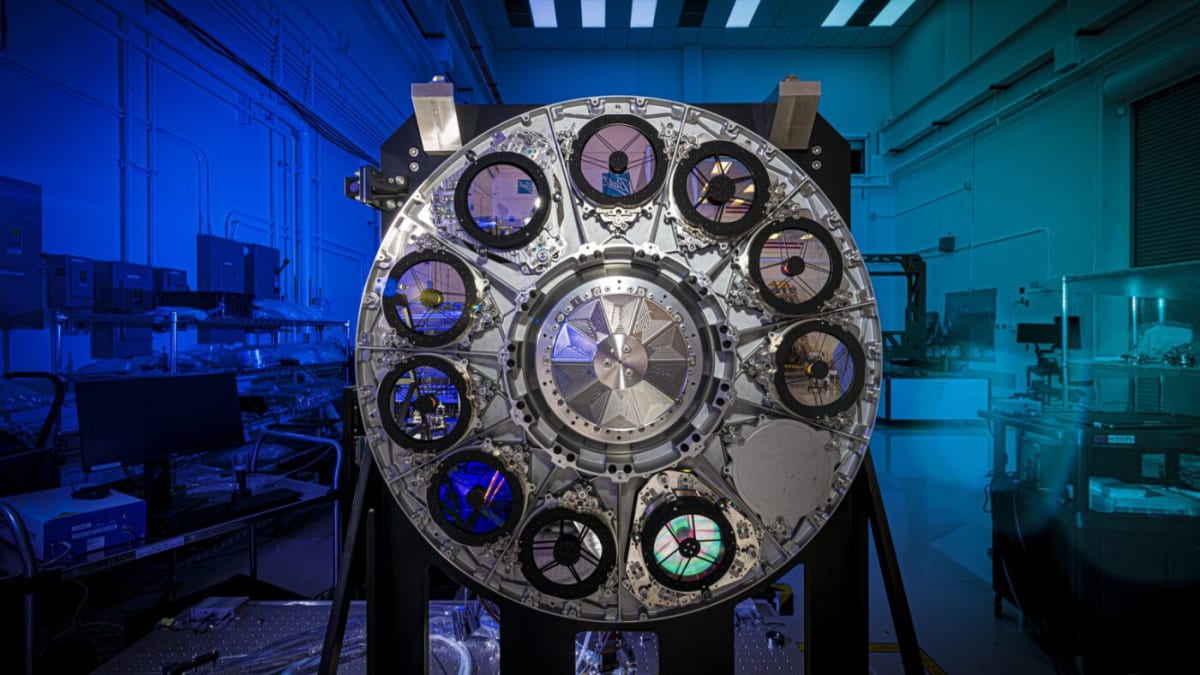
Roman's mission is ambitious and exciting. The telescope will investigate dark energy and dark matter, discover new planets beyond our solar system, map billions of galaxies, and study black holes. Best of all, NASA plans to share all this data with both scientists and the public.
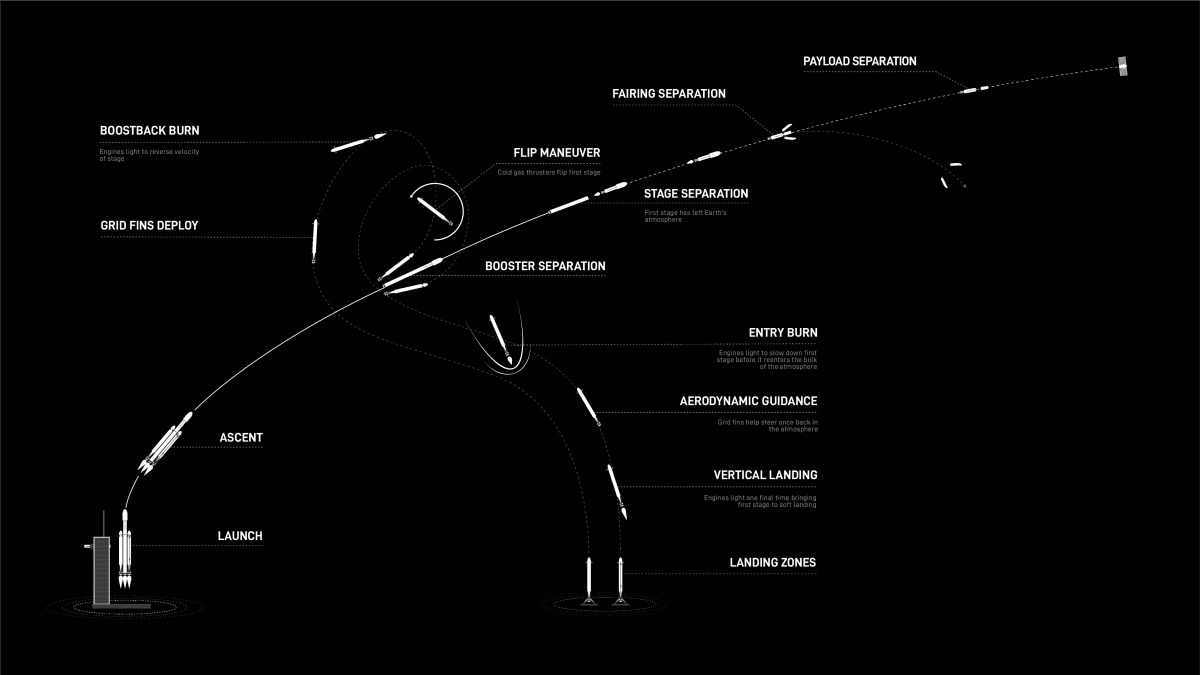
The launch itself will be quite a show. SpaceX's massive Falcon Heavy rocket will carry Roman into space during a flight lasting just over 31 minutes. The rocket's two side boosters will separate after launch and return to Earth, landing back at Cape Canaveral about seven minutes after liftoff.
You can watch the entire launch live online starting at 6:20 a.m. EDT. NASA will stream the event on its website, YouTube, and social media channels. SpaceX will also host its own livestream on X (formerly Twitter) starting about an hour before launch.
If weather or technical issues delay Sunday's launch, SpaceX has a backup opportunity on Monday, August 31 at 7:22 a.m. EDT. NASA cleared the telescope for launch on Friday after final safety checks.
The Ripple Effect
The Roman Space Telescope represents more than just another satellite in orbit. Its deep surveys of space will help answer fundamental questions about how our universe works and what it's made of.
The mission will generate enormous amounts of data that researchers worldwide can access. This open approach means discoveries could come from scientists anywhere, not just those working directly with NASA.
Roman will also hunt for exoplanets using advanced techniques, potentially discovering Earth-like worlds orbiting distant stars. Each discovery brings us closer to answering whether we're alone in the universe.
The telescope continues the legacy of Nancy Grace Roman, who fought to make space science accessible and championed projects that would benefit all of humanity. Her vision of collaborative, open science lives on in this mission.
Sunday's launch marks the beginning of a new chapter in space exploration, one that promises to expand our understanding of the cosmos and inspire the next generation of astronomers and scientists.
#
More Images
Based on reporting by Google News - Science
This story was written by BrightWire based on verified news reports.
Spread the positivity!
Share this good news with someone who needs it