NASA Launches $4.3B Telescope Built From Old Spy Satellite
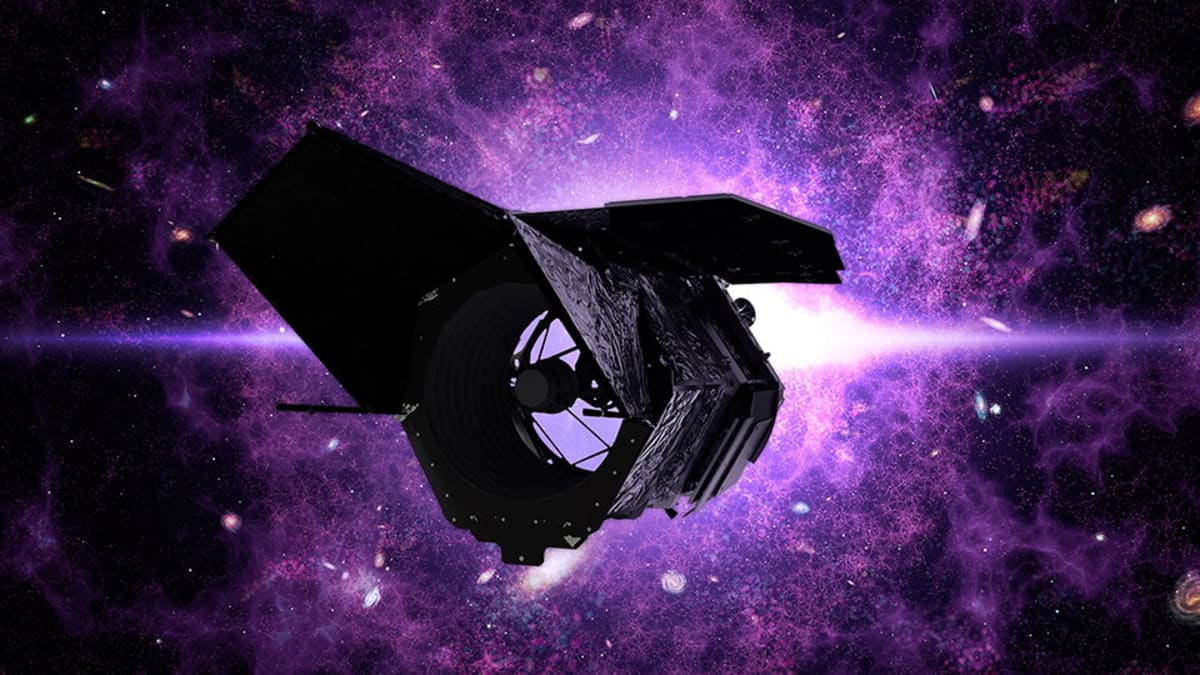
A surveillance satellite gathering dust in a government hangar is about to become NASA's newest window into the cosmos. The Nancy Grace Roman Space Telescope launches August 30 to hunt planets and solve cosmic mysteries.
When NASA's new $4.3 billion space telescope launches this Saturday, it will carry one of the most unusual origin stories in space exploration history.
About 15 years ago, NASA was planning a new telescope to study dark energy and exploding stars. Then the National Reconnaissance Office, which manages spy satellites, made an unexpected call with a simple question: instead of pointing a spare satellite downward at Earth, how about pointing it upward at the universe?
NASA said yes, and that repurposed satellite is now the Nancy Grace Roman Space Telescope, named after the agency's first chief astronomer. It launches August 30 with a mission that could rewrite our understanding of space.
The telescope will spend one month surveying every star in the Milky Way galaxy. That same task would take the Hubble Space Telescope about a century, says project scientist Julie McEnery. Roman matches Hubble's sharpness and sensitivity but works much faster thanks to its unique design.
Cosmologist Daniel Scolnic at Duke University says Roman could settle a debate shaking the foundations of astronomy. Recent measurements suggest our current model of how the universe expands might be wrong. Roman will definitively answer whether scientists need to rethink everything.
The telescope will also hunt for planets using a technique Albert Einstein described in 1936 but thought would never work. Called gravitational microlensing, it detects planets by measuring how they bend passing starlight. Scott Gaudi at The Ohio State University expects Roman to find planets completely invisible to any other method, including worlds similar to Jupiter and Saturn at the center of our galaxy.
Why This Inspires
What makes Roman truly special is its democracy. Every catalog it creates will be available to everyone the moment it's released. A high school teacher in Kentucky can access the same data at the same time as a Princeton professor, says McEnery.
Astronomer Wendy Freedman at the University of Chicago says history shows the most exciting discoveries come from unexpected places. When astronomers get new survey capabilities like Roman's, they always find something they never anticipated.
The five-year mission begins Saturday, and nobody knows what surprises await.
More Images

Based on reporting by NPR Science
This story was written by BrightWire based on verified news reports.
Spread the positivity!
Share this good news with someone who needs it