NASA's Roman Telescope Has Fuel for 22 Years, Not 5
NASA's newest space telescope launched so perfectly that it will operate four times longer than expected. What was supposed to be a five-year mission just became a 22-year journey into the cosmos.
NASA's Nancy Grace Roman Space Telescope just got the launch of a lifetime, and it could unlock mysteries of the universe for more than two decades.
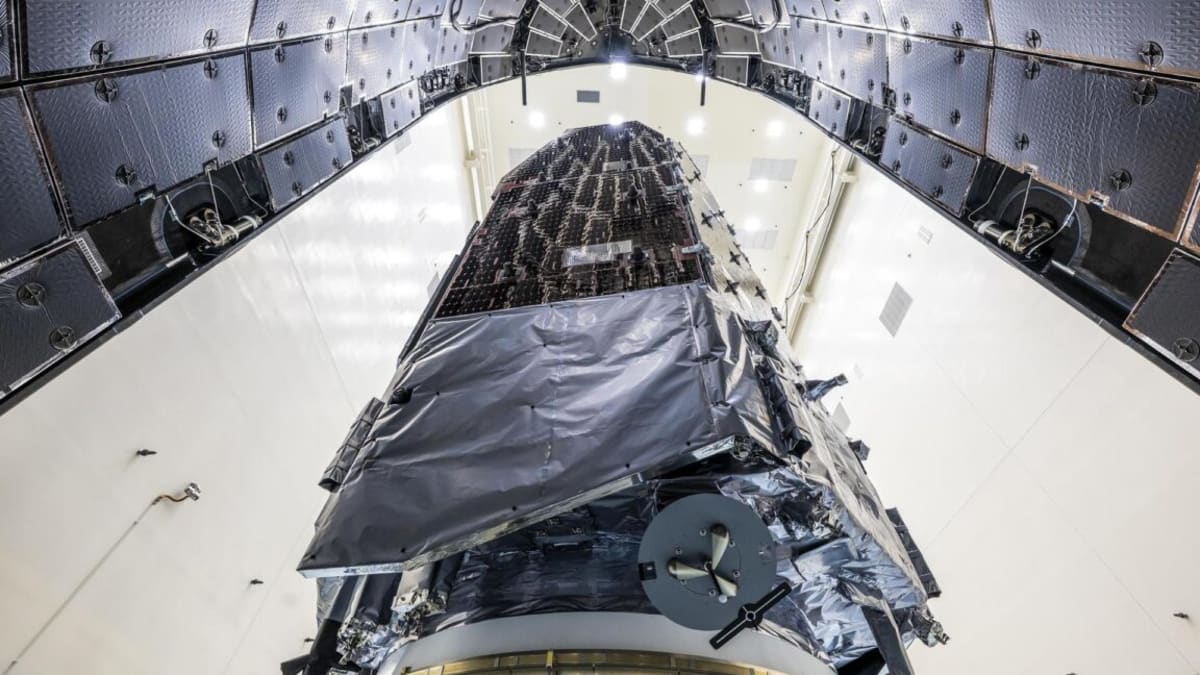
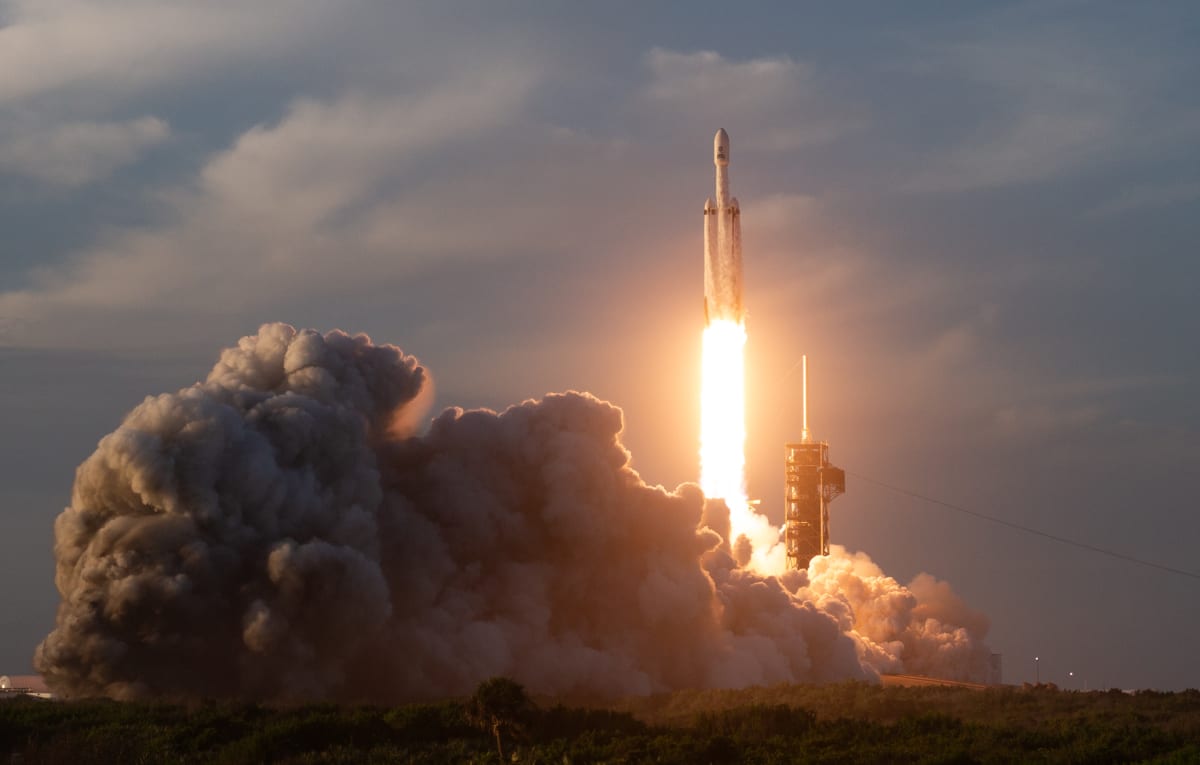
The $4.3 billion observatory lifted off from Florida's Kennedy Space Center on August 30 aboard a SpaceX Falcon Heavy rocket. Engineers originally packed enough fuel for five years of operations, with hopes for maybe ten years total if everything went perfectly.
Everything went beyond perfect.
Thanks to a bulls-eye launch and flawless execution by mission teams, Roman now carries enough fuel for at least 22 years of scientific discovery. The spacecraft needed just 40 pounds of fuel for its first major course correction instead of the planned 441 pounds.
"As a result of exquisite planning by our orbital dynamics team, brilliant execution by the operations team, and a precise launch from SpaceX, Roman has fuel for at least 22 years of potential science operations," said Jamie Dunn, director at NASA's Goddard Space Flight Center.
The telescope is now cruising toward its permanent home one million miles from Earth. It will orbit a special point in space called L2, where the gravitational forces of Earth and the Sun balance out perfectly.
Roman's mission is ambitious. The telescope will capture images at the same resolution as the famous Hubble Space Telescope, but with 100 times the field of view. What would take Hubble a century to observe, Roman will see in just one month.
Its 300-megapixel camera will map enormous cosmic structures, helping scientists understand dark energy and dark matter. These invisible forces shape our universe, but we still know surprisingly little about them.
The fuel windfall happened because of three key factors. SpaceX delivered Roman on such a precise trajectory that less maneuvering was needed. The spacecraft came in lighter than planned, making it easier to move. And ground crews were able to fill the tanks to maximum capacity with 290 gallons of hydrazine fuel.
Roman even launched nine months ahead of schedule, a rare achievement for NASA missions.
Why This Inspires
This win shows what happens when precision engineering meets careful planning. Every team involved delivered excellence, from the designers who built Roman lighter than expected to the SpaceX crew who nailed the launch trajectory.
The James Webb Space Telescope received a similar lifetime extension after its perfect 2021 launch. Now Roman joins that exclusive club of missions that exceeded expectations from day one.
Twenty-two years of discovery means an entire generation of astronomers will grow up with Roman revealing secrets of the cosmos. Students entering middle school today could be analyzing Roman's data as experienced scientists.
The extra fuel essentially gives humanity free years of cutting-edge science, expanding our understanding of how the universe works and what drives its mysterious expansion.
More Images


Based on reporting by Google News - Science
This story was written by BrightWire based on verified news reports.
Spread the positivity!
Share this good news with someone who needs it