Webb Telescope Finds Icy Worlds That Rewrite Planet Formation
NASA's James Webb Space Telescope discovered dozens of tiny frozen worlds at the edge of our solar system that have barely changed in billions of years. These ancient building blocks are revealing that planets may have formed much faster than scientists thought.
Scientists just found ancient frozen time capsules at the edge of our solar system, and they're rewriting the story of how Earth came to be.
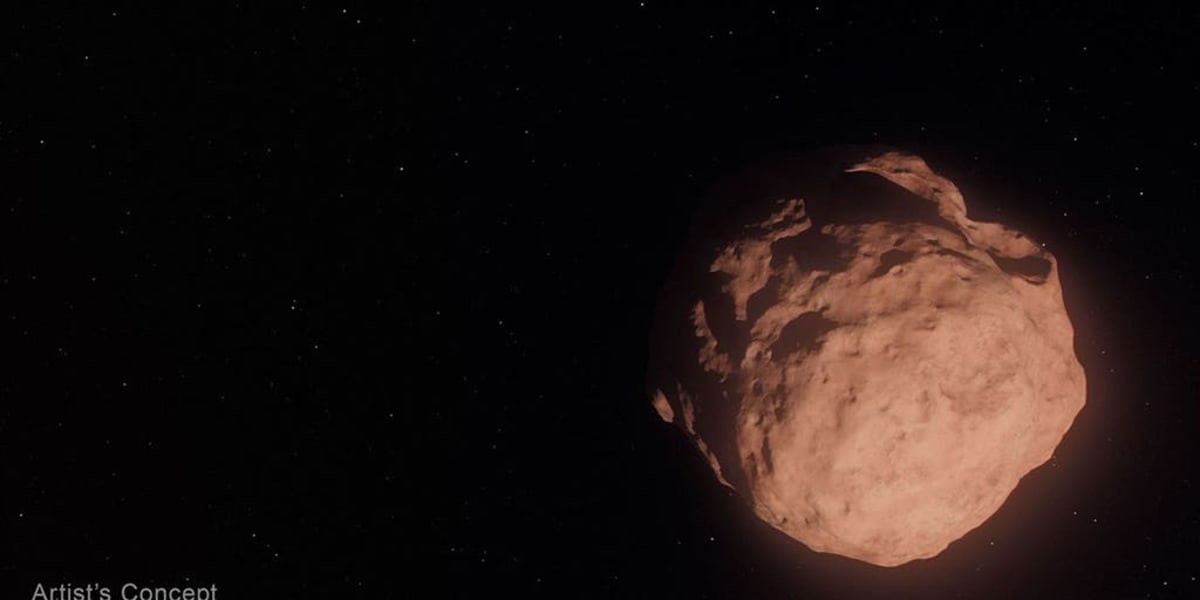
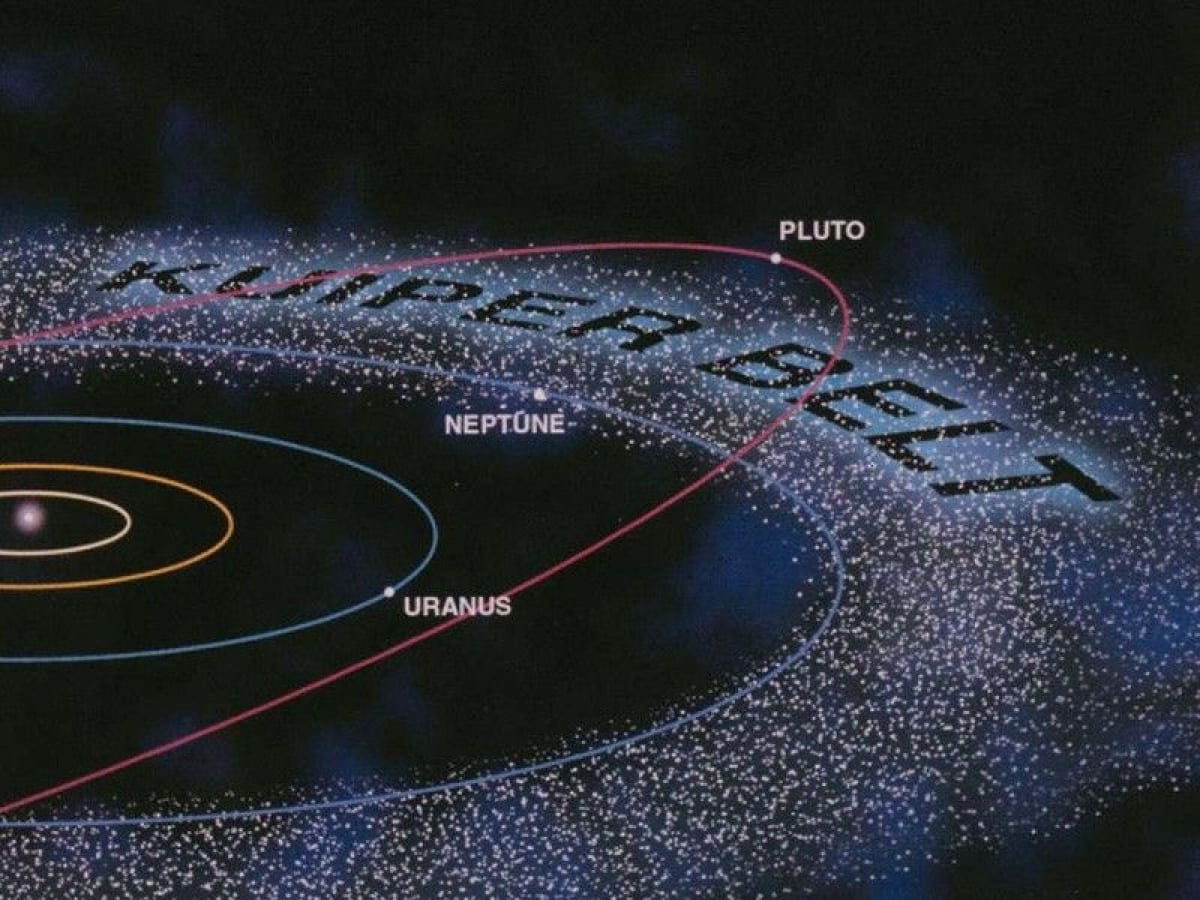
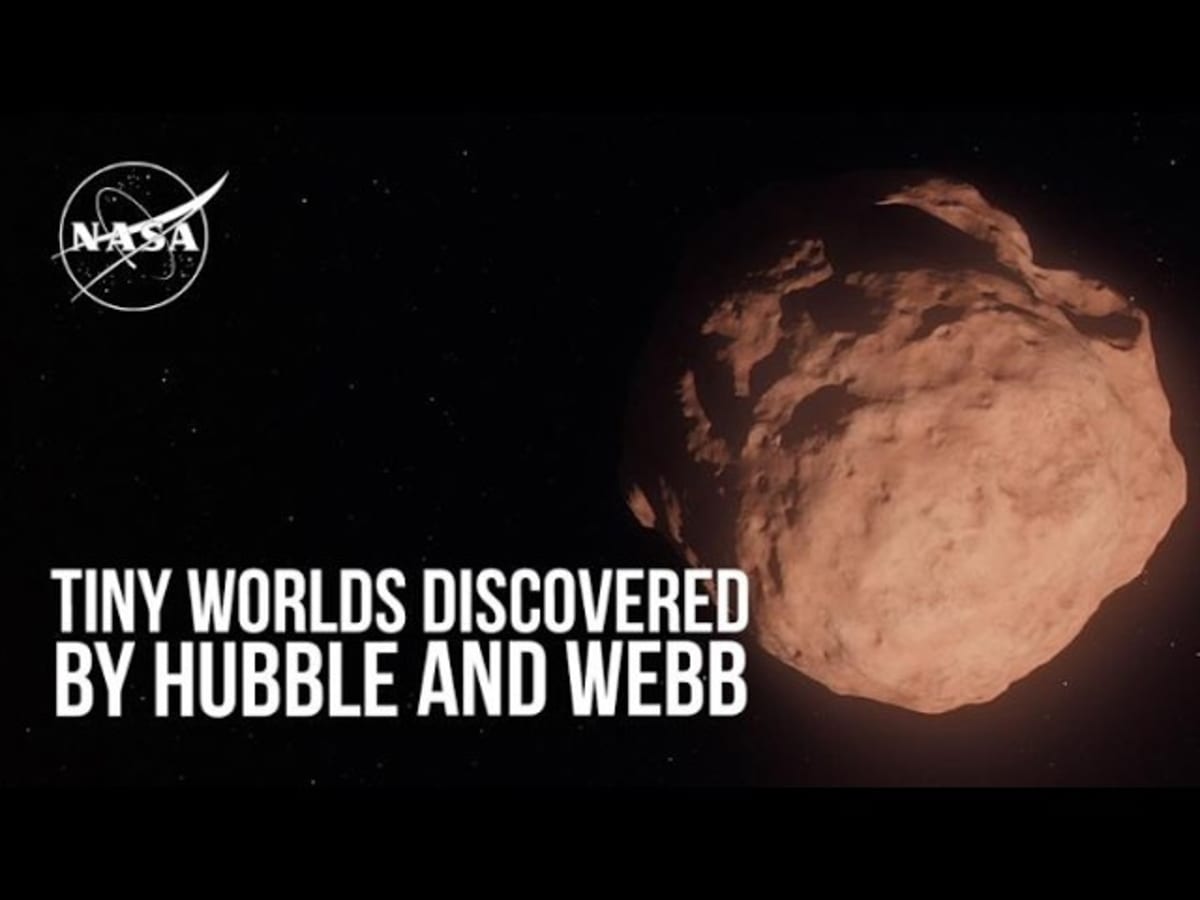
NASA's James Webb Space Telescope spotted 27 new Trans-Neptunian Objects, tiny icy worlds orbiting beyond Neptune in a region called the Kuiper Belt. Some are only six miles wide, making them the smallest distant objects ever detected by astronomers.
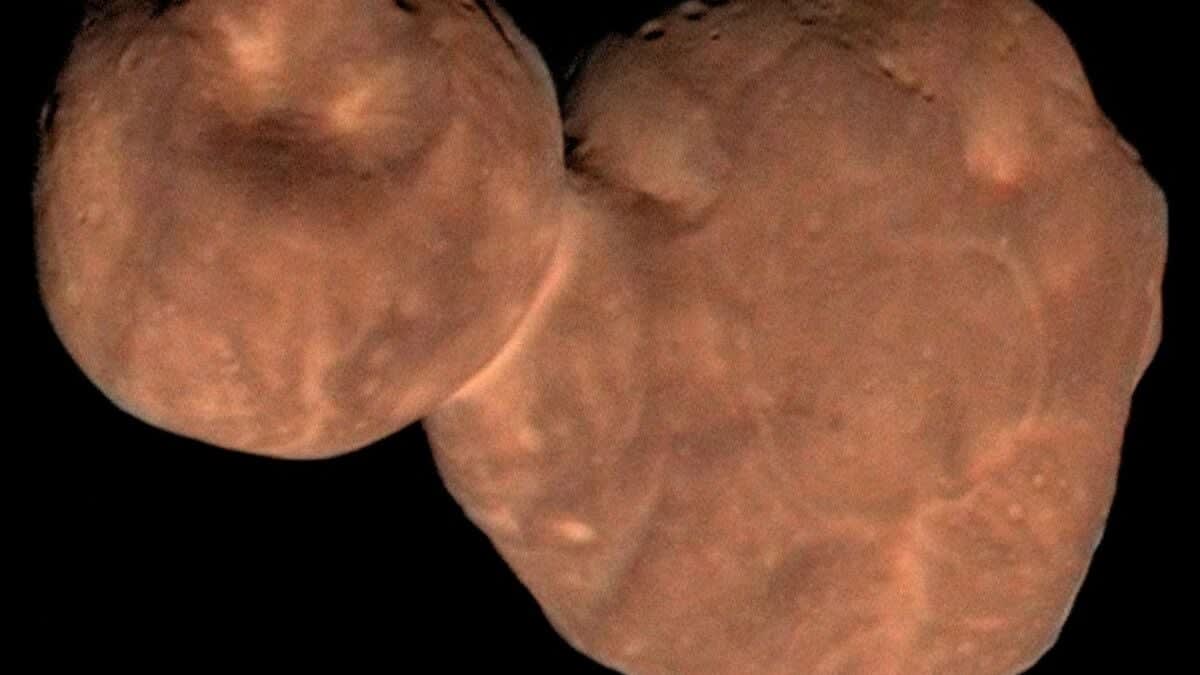
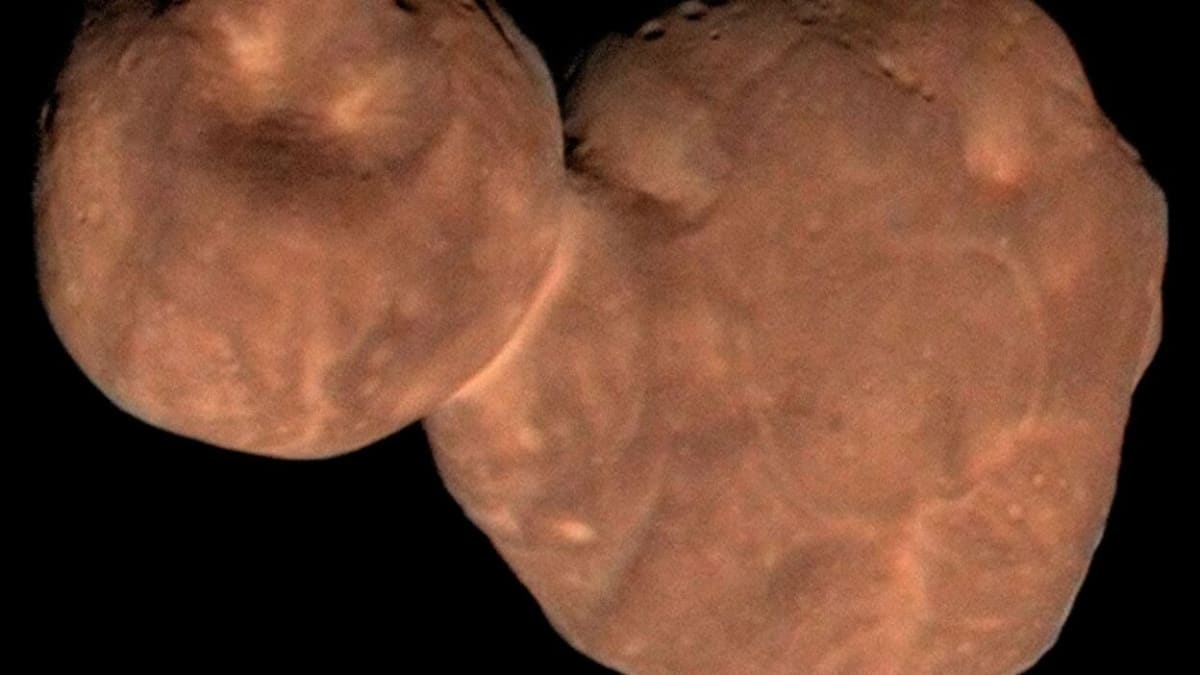
These little worlds have been in deep freeze for billions of years, preserving clues about how the first planets formed. Until now, researchers could only study larger objects like Pluto or the mid-size world Arrokoth, which NASA's New Horizons spacecraft visited in 2019.
The discoveries paint a surprising picture. Scientists expected to find these regions filled with dust and tiny fragments from billions of years of crashes between objects. Instead, most of the Kuiper Belt's mass is tied up in worlds about 120 miles wide, with only a slight increase in smaller pieces.
This pattern supports what researchers call the "born big" theory of planet formation. In the early solar system, clouds of pebble-size material likely clumped together and collapsed under their own gravity to quickly form large solid bodies, rather than slowly growing through countless collisions over millions of years.
The team used Hubble Space Telescope to measure the color of these frozen surfaces. The smallest objects show the same reddish hue as their larger neighbors, suggesting surfaces rich in complex organic compounds and ices that slowly darkened under cosmic radiation over eons.
"It's really fascinating to see that the smallest objects are somehow 'remembering' and preserving the history of how they were made," said Anastasia Morgan, a Northern Arizona University doctoral candidate who led the color study.
The Bright Side
Two major families of these distant worlds share almost identical size patterns, even though they formed under different conditions. One group follows calm circular orbits where it probably formed, while the other travels on tilted stretched paths after being pushed outward by giant planets early in solar system history.
This similarity hints that the process turning dust, rock, and ice into the first solid pieces big enough to build planets works the same way under many different conditions. The discovery challenges earlier thinking and suggests the universe may have a reliable recipe for making worlds.
These ancient frozen worlds hold the original blueprint for how planets like Earth assembled from cosmic dust and debris.
More Images

Based on reporting by Google: James Webb telescope
This story was written by BrightWire based on verified news reports.
Spread the positivity!
Share this good news with someone who needs it