NASA Funds 12 Studies to Grow Food and Keep Astronauts Healthy
NASA just awarded funding for 12 groundbreaking studies that could transform how future astronauts eat and stay healthy during missions to the Moon and Mars. The research tackles everything from growing tomatoes in space to protecting crews from lunar dust.
Growing fresh food millions of miles from Earth just became more possible, thanks to a new wave of NASA-funded research that could change the future of space exploration.
NASA announced 12 new investigations worth over $7 million that will help astronauts thrive during long missions beyond Earth. Half focus on producing food in space, while the other half aim to protect crew health in extreme conditions.
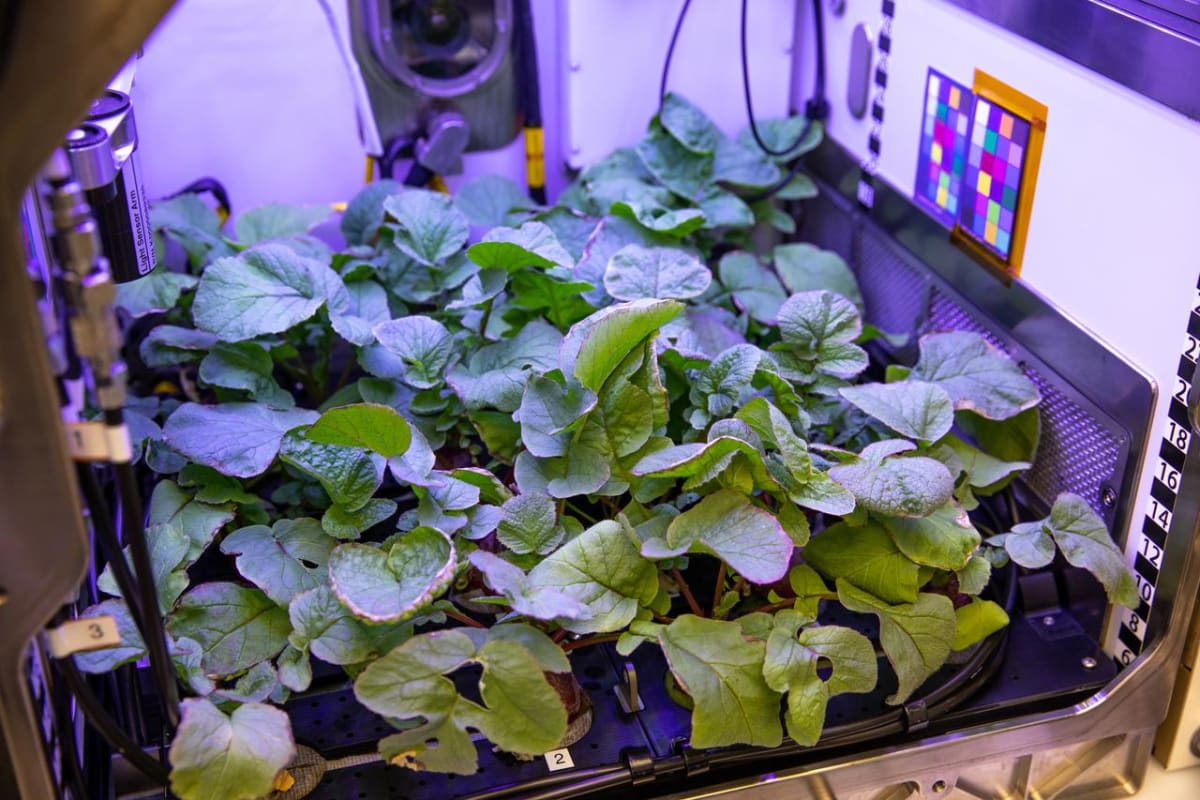
The food research covers impressive ground. Scientists will study how to grow edible plants in the harsh environments of other worlds, examining everything from dwarf tomatoes to legume crops. One team is even investigating resurrection plants, hardy species that survive extreme drought and could be perfect for space farming.
Another project builds on experiments already conducted on the International Space Station, studying algae genes that adapt to spaceflight. This research could help create biological life support systems that recycle air and produce food simultaneously.
The health studies tackle some of the biggest dangers astronauts face. One team will investigate how lunar dust affects breathing and immune responses, crucial information before humans return to the Moon. Another seeks to identify existing drugs that could be repurposed to counter the effects of space travel on the body.
Several proposals examine how radiation combined with other space stressors accelerates aging in various organs and body systems. The goal is to develop early warning systems that alert crews to potential health problems before they become serious.
The Ripple Effect
This research extends far beyond astronauts. Growing food in extreme conditions could revolutionize agriculture in harsh climates on Earth, from deserts to Arctic regions. Understanding how the human body responds to radiation and environmental stress has direct applications for cancer treatment and managing chronic diseases.
Nine of the 12 principal investigators are receiving Space Biology Program funding for the first time, representing fresh perspectives from 10 institutions across eight states. This influx of new voices brings innovative approaches to old challenges.
The projects will run through 2030, providing years of data that will inform NASA's Artemis missions to the Moon and eventual crewed trips to Mars. Each study addresses a critical piece of the puzzle for keeping astronauts fed, healthy, and productive during journeys lasting months or years.
Future space explorers won't just survive their missions—they'll thrive, thanks to scientists working today to solve tomorrow's challenges.
Based on reporting by Google: scientific discovery
This story was written by BrightWire based on verified news reports.
Spread the positivity!
Share this good news with someone who needs it