Space Station Gets Boost from Swan-Named Spacecraft
The International Space Station just got a friendly push from a cargo spacecraft named after a swan constellation. It's a routine move that shows how far humans have come in making space travel a sustainable reality.
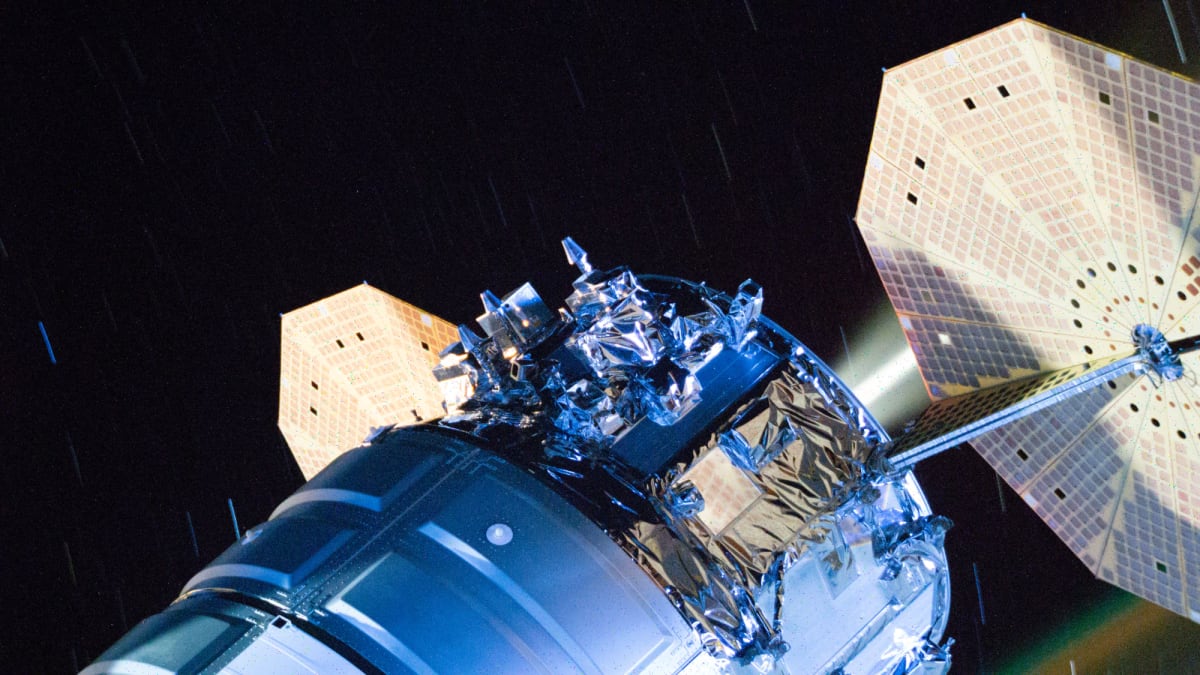
The International Space Station received a helping hand from an unexpected friend: a cargo spacecraft named Cygnus, after the swan constellation.
On August 27, while docked at the station's Unity module, Northrop Grumman's Cygnus XL spacecraft fired its engines in a planned maneuver. The boost lifted the space station to a higher orbit, perfectly positioning it for its next visitor.
That visitor was Progress 96, a Russian resupply spacecraft carrying water, fuel, food, and scientific instruments to the astronauts living aboard the station. The orbital adjustment made it possible for Progress 96 to safely rendezvous and dock with the station.
Why This Inspires
This might sound like standard space operations, but it represents something remarkable about humanity's journey beyond Earth. We've reached a point where spacecraft routinely help each other in orbit, adjusting positions and sharing resources like neighbors lending a hand.
The Progress 96 mission marks another milestone too. It's the 96th cargo mission in a series that began in 1978, when the first Progress spacecraft delivered supplies to the Soviet Salyut 6 station. That was decades before the International Space Station even existed.
Together, these missions tell a bigger story about human cooperation in space. American and Russian spacecraft work side by side, supporting a permanent human presence 250 miles above Earth. Nations that face challenges on the ground continue collaborating seamlessly in orbit.
The technology required to pull this off is staggering. Controllers on Earth can precisely command spacecraft to fire engines at exactly the right moment, shifting a 925,000-pound space station to a new altitude. Then another spacecraft, launched from a different country, can find and dock with that station as it speeds around Earth at 17,500 miles per hour.
What started as a space race has evolved into something better: a space partnership that's been running strong for nearly 50 years of Progress missions alone.
Every successful docking and orbital boost proves we can work together to achieve extraordinary things when we look up instead of down.
More Images

Based on reporting by Space.com
This story was written by BrightWire based on verified news reports.
Spread the positivity!
Share this good news with someone who needs it
%2Ffile%2Fattachments%2F2997%2FGettyImages-2211967510_856600.jpg)